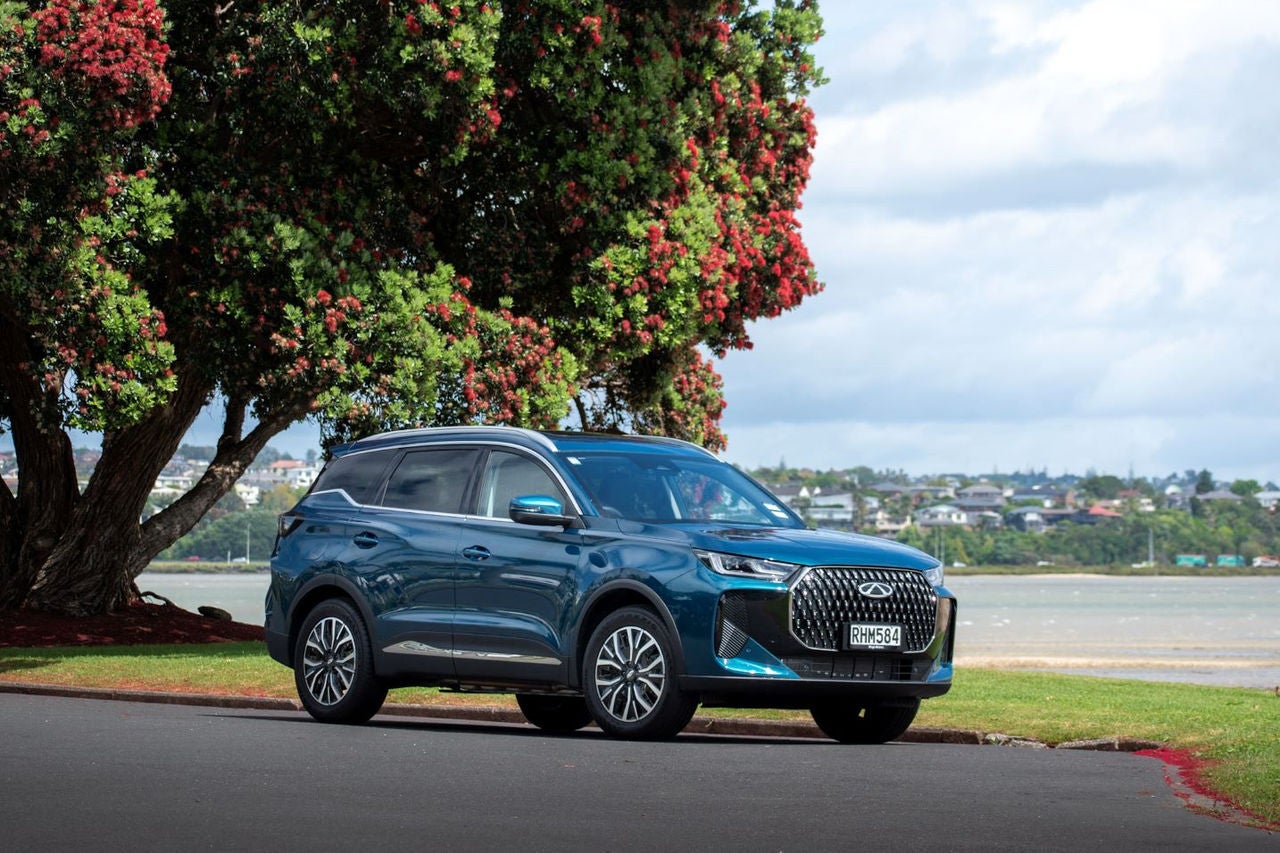
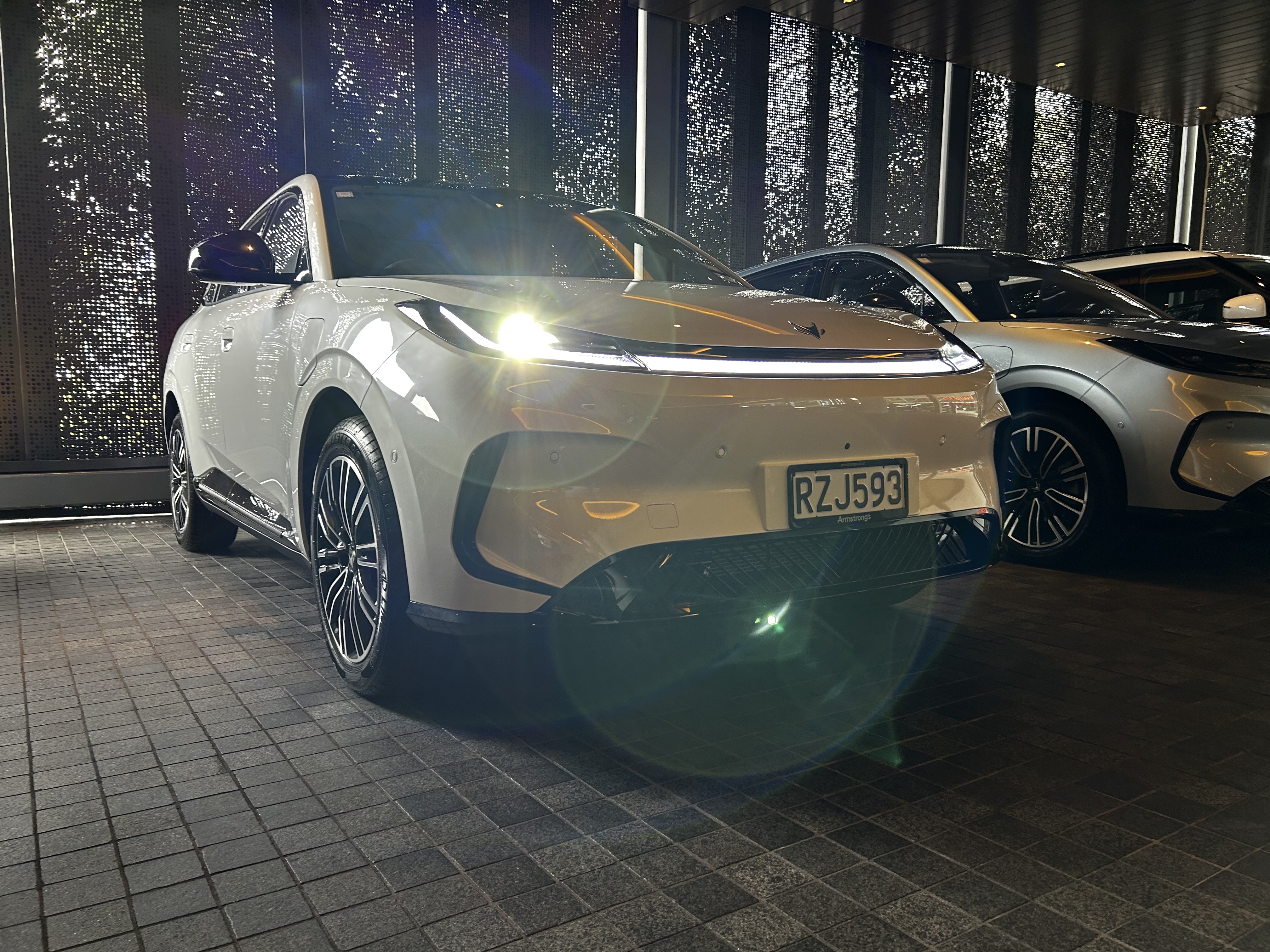
Front quarter view

Chery Tiggo 7 Super Hybrid – The best value for money PHEV

Ryan Bos

By Ryan Bos
As a Motoring Advisor at the AA, Ryan shares his enthusiasm for all things automotive and passion for writing to create engaging and informative reviews. With an automotive apprenticeship and journalism degree under his belt, he brings deep technical insights and a solid understanding of automotive systems.

15 December 2025

Chery is the sleeping giant when it comes to Chinese automakers. The company has been the top exporter of Chinese vehicles for the past 20 years. Last year it shifted over one million vehicle exports and is now making waves here in New Zealand.

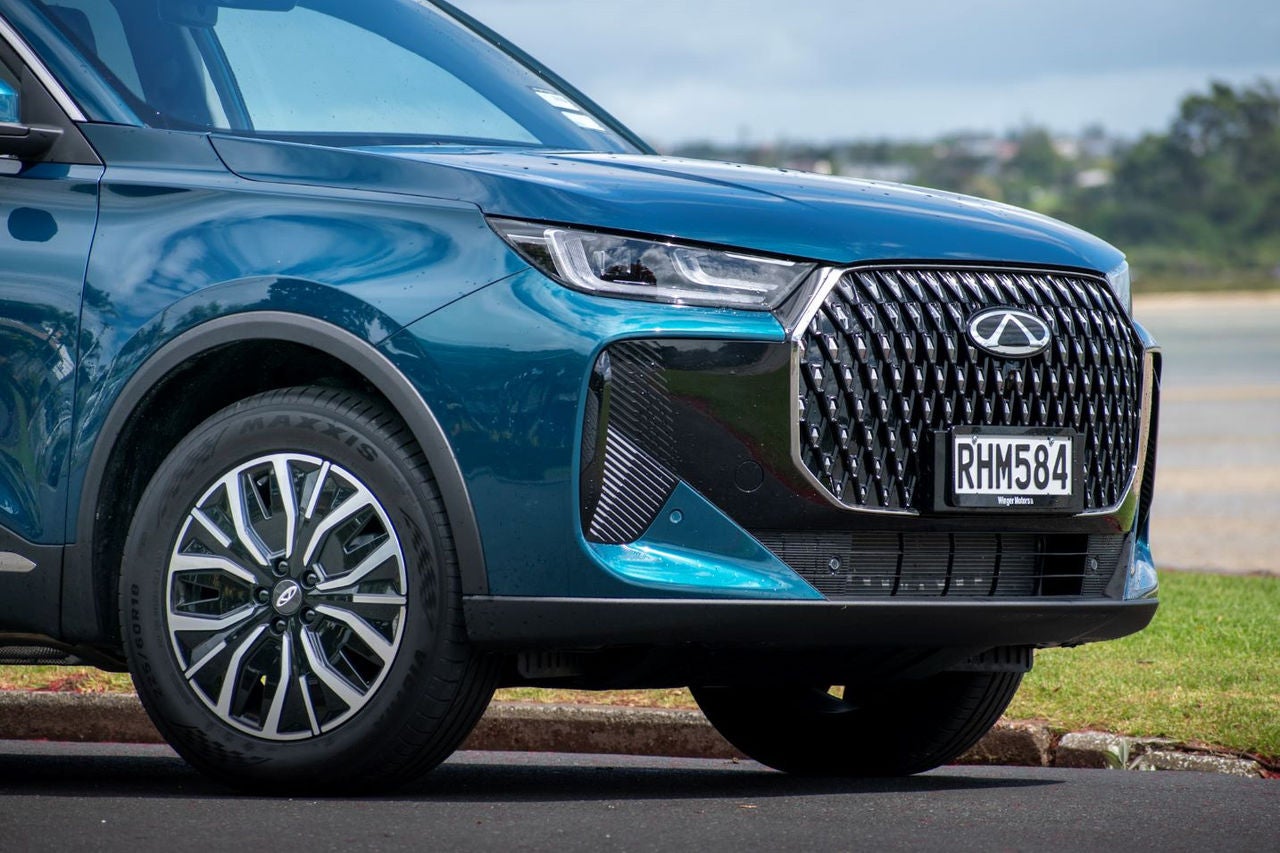
In fact, you may have seen a few driving around – they have a badge that’s remarkably like Nissan’s Infiniti badge – signalling that Kiwi drivers are becoming more open to new-to-the-market Chinese vehicles. 

front quarter view

Introducing the Tiggo 7

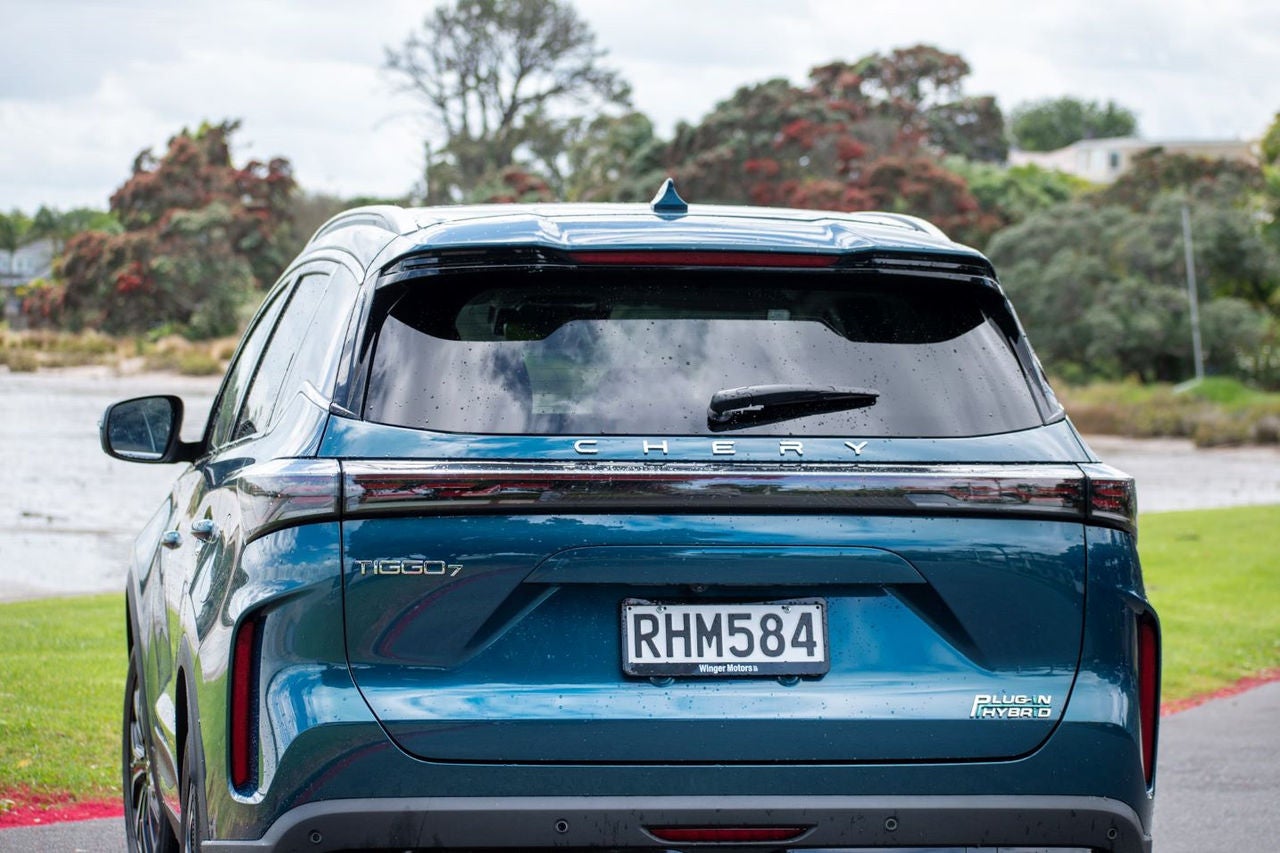
The Tiggo 7 is a mid-sized plug-in hybrid (PHEV) SUV with seating for five; not seven as the name might imply. The model offered in New Zealand is actually the facelift version of the second generation – so although it’s new to us, it’s been around for a while. 

Trim levels and pricing 

Available in two trim levels – Urban and Ultimate – the Tiggo 7 comes with a single PHEV powertrain. The main talking point is its affordability. At just $42,990 for the Urban and $46,990 for the Ultimate, the Tiggo 7 is currently the cheapest PHEV SUV in New Zealand, and packs great value for money. 

Highlighted features 

The Tiggo 7 is well-equipped with standard features, including:

  • Reversing camera.
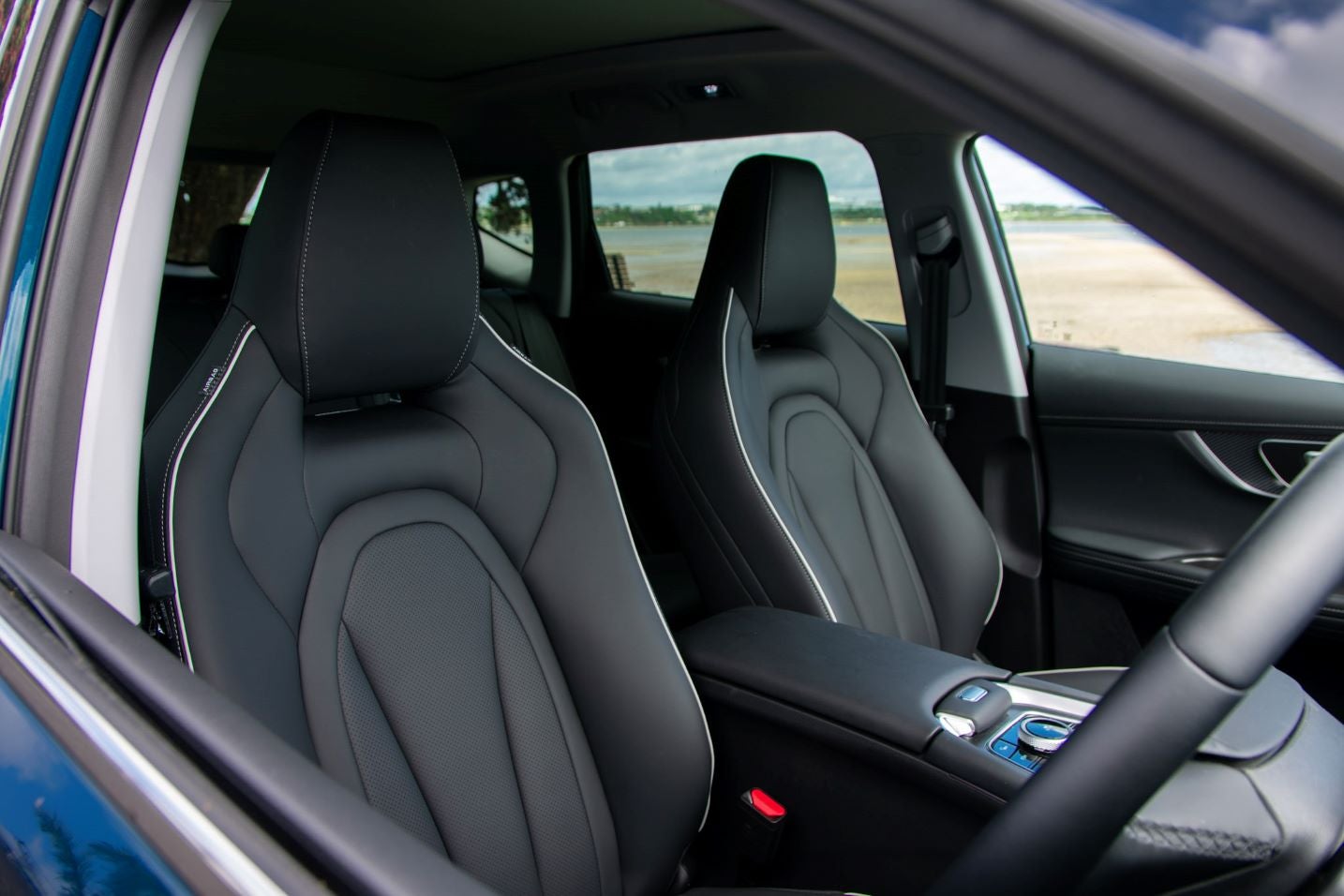
  • Synthetic leather seats.
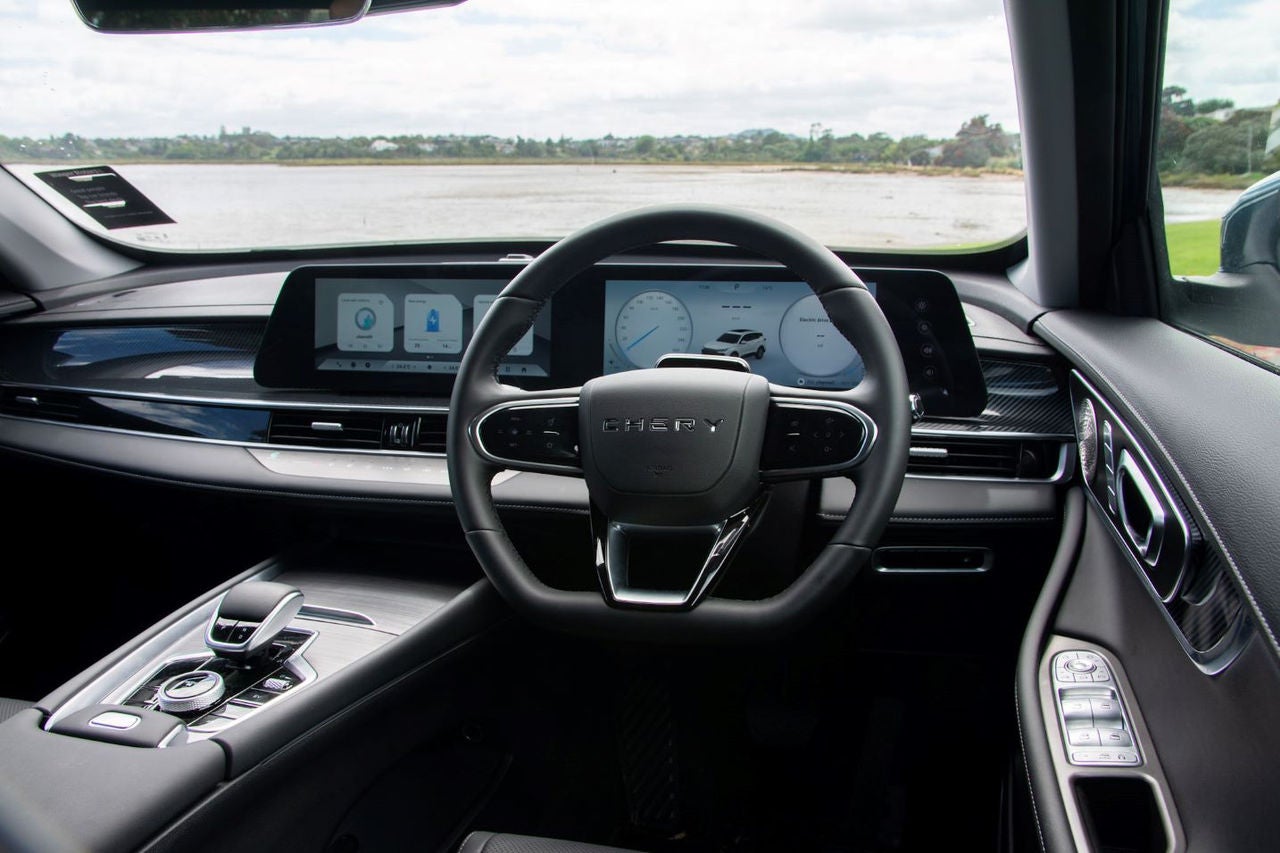
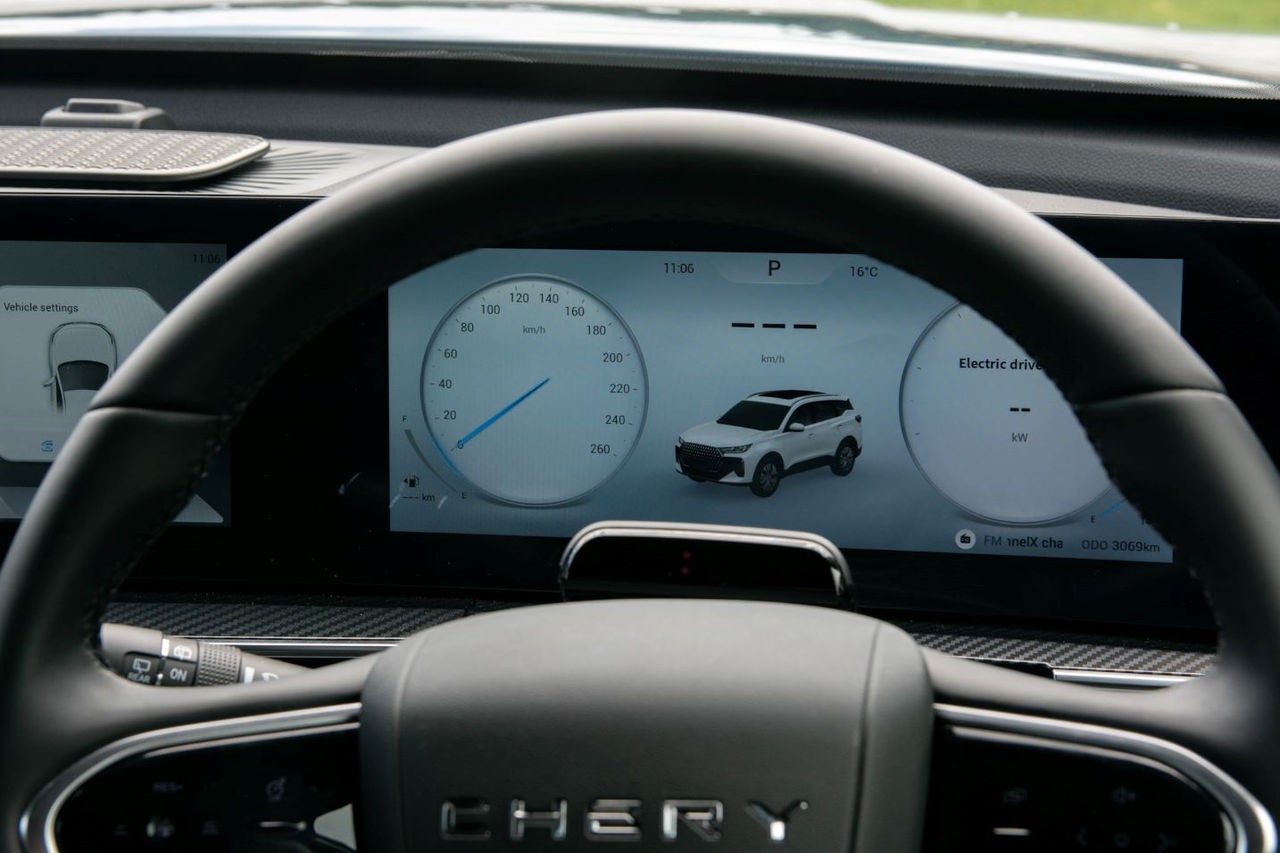
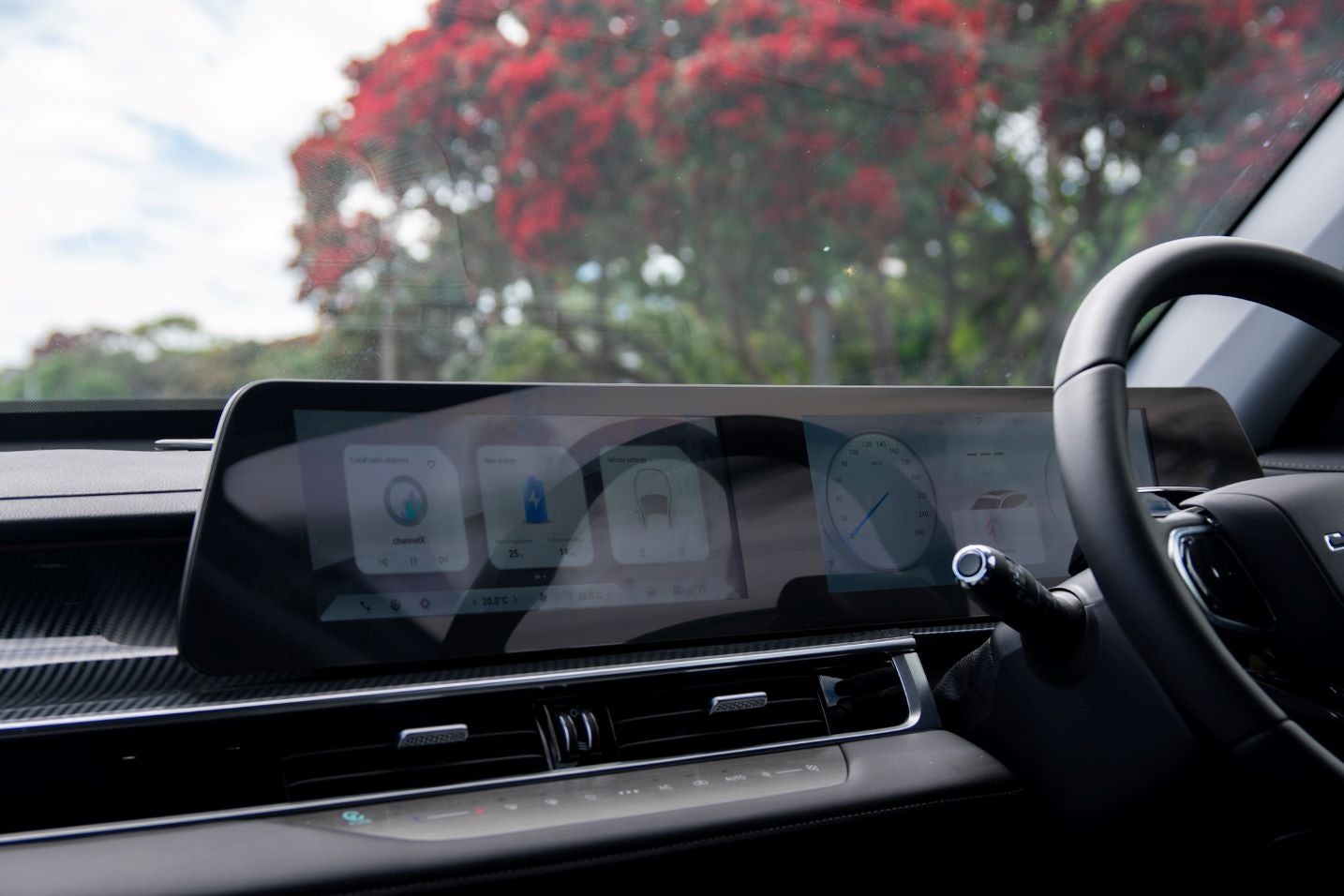
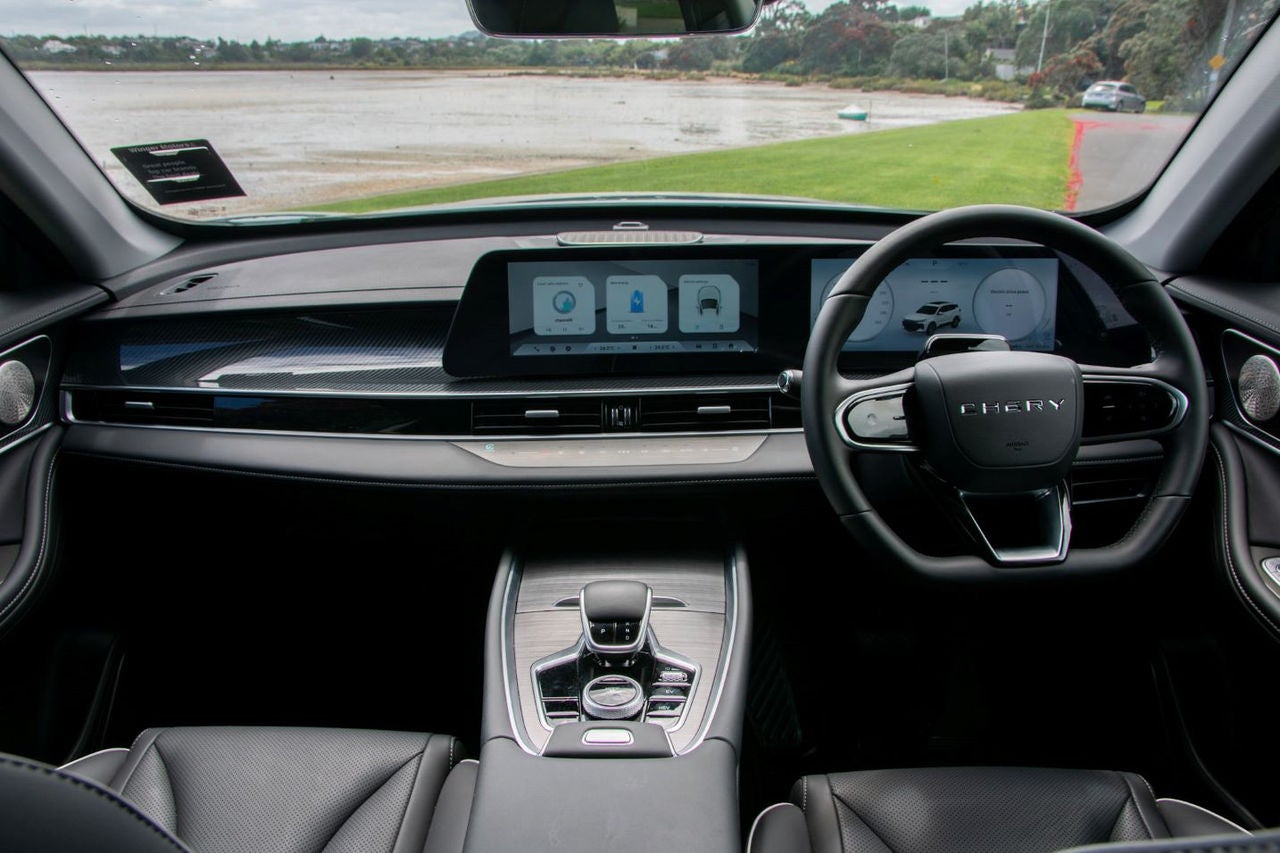
  • Dual 12.3-inch instrument and infotainment screens.
  • Apple CarPlay and Android Auto.
  • Powered front seats.

While the Ultimate trim includes:

  • Heated and ventilated front seats.
  • Wireless phone charger.
  • Panoramic sunroof.
  • 360-degree camera.
  • Machined-finished 18-inch alloys.

For just $4k more, the Ultimate offers premium features at a fraction of the price of its competitors. 

Performance and range

Under the bonnet is a 1.5-litre turbo petrol engine paired with an electric motor, producing 150kW of power and 310Nm of torque. Thanks to the 18.4kWh LFP (Lithium Iron Phosphate) battery, the Tiggo 7 boasts a full EV range of 80–90km. And with plug-in capabilities, it’s perfect for commuting with zero tailpipe emissions and fuel costs.

Chery’s Super Hybrid system uses both series and parallel hybrid technology, meaning the EV motor and petrol engine can both be used to drive the wheels, giving the Tiggo 7 a maximum range of 1,200km.  

Officially, the Tiggo 7 is rated at 1.4L/100km, but during our week-long road test, we averaged 4.7L/100km with the vehicle managing the EV and petrol modes on its own – still an impressive figure for a hybrid. You can even fast-charge via public chargers, with a 20-minute stop taking the battery from 30% to 80% charged.

Driving experience 

The Dedicated Hybrid Transmission (DHT) seamlessly blends EV and petrol power, delivering smooth acceleration. There are three drive modes – Eco, Normal, and Sport – but the single-speed transmission means they all feel kind of similar.

Acceleration is mostly smooth; the torquey hybrid powertrain and front-wheel-drive setup can feel aggressive off the line, and occasionally causes the front wheels to spin, even in dry conditions.

On the open road, it feels refined and solid at high speeds. While some competitors can get a bit nervous at motorway speeds, the Tiggo 7 stays calm and settled, backed by steering that feels stable and confident. 

Quality interior 

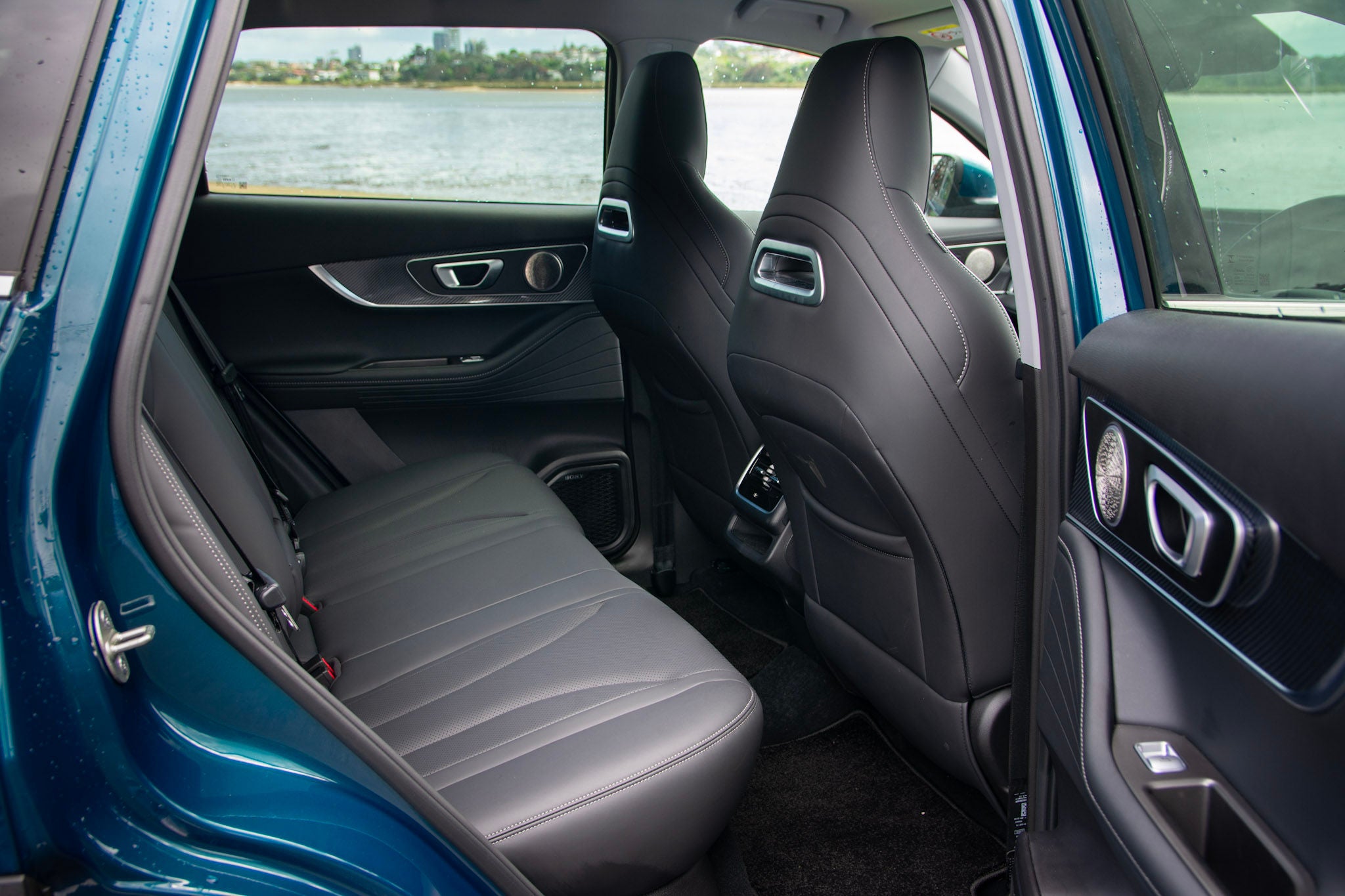
Inside, the cabin is a mix of well-made materials – including faux leather, chrome accents, and carbon-fibre-style trim – creating a modern and premium aesthetic. The dual 12.3-inch screens are intuitive and highly customisable.

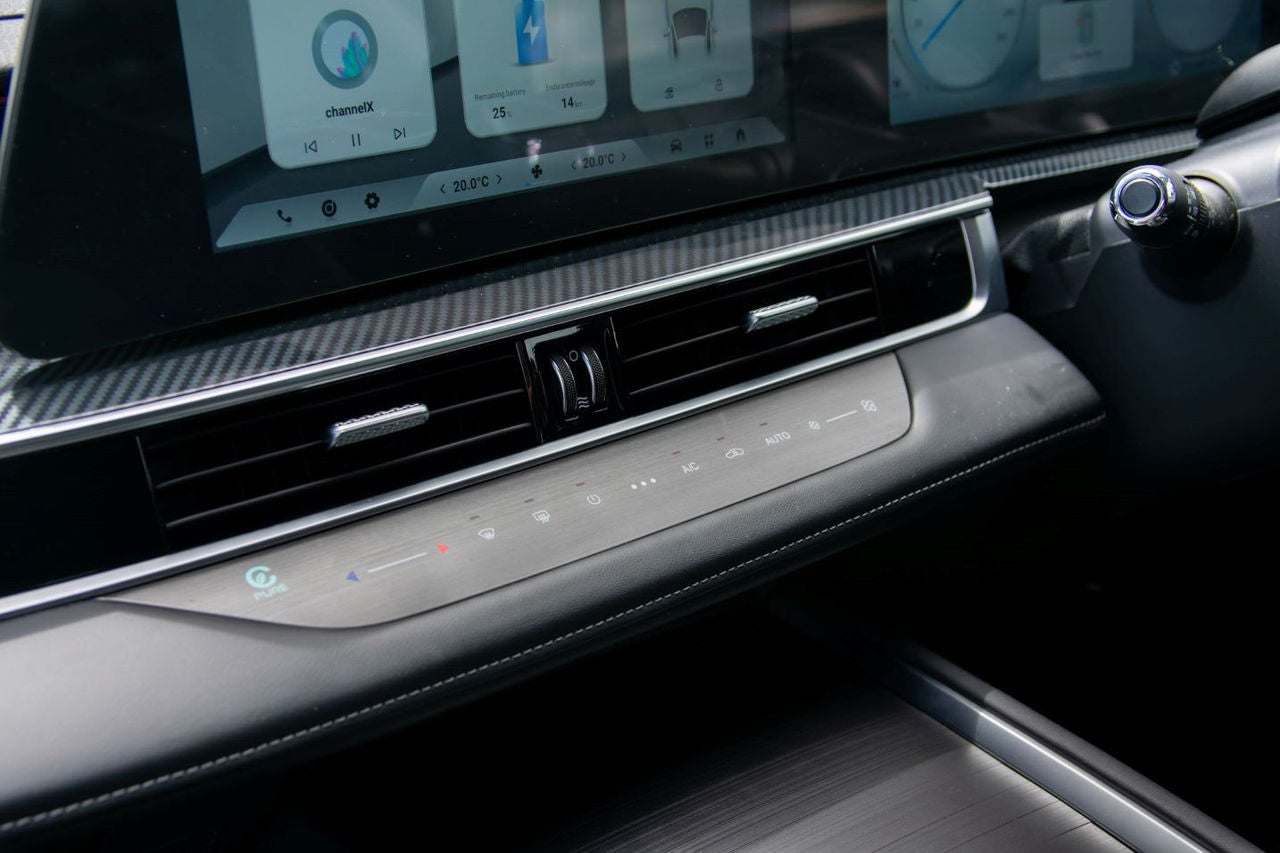
The HVAC controls are presented as haptic buttons below the infotainment screen, which are despised by many, and for good reason. For example, the slider to adjust temperature and fan speed is temperamental, sometimes raising the temperature even when sliding your finger downward.

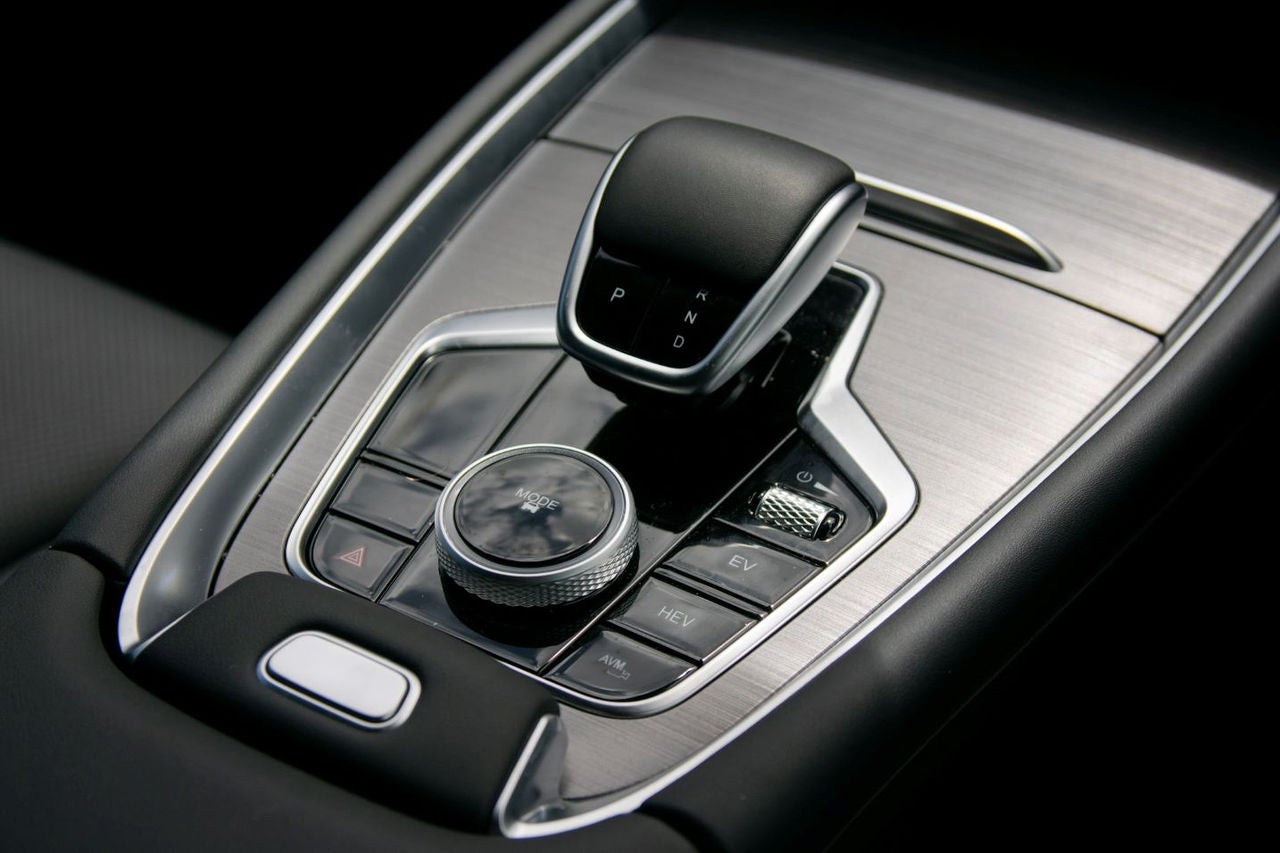
The gear lever is a conventional style with a push-button for Park. We found that you needed to add a little more pressure than normal to the brake pedal to shift between drive and reverse gears, otherwise the car would remain in the current gear. 

Safety and warranty

The ADAS features are helpful and less intrusive than some competitors, but calibration for New Zealand roads isn’t perfect. You can expect the occasional random bong and phantom speed-limit changes on motorways. These can be adjusted via the touchscreen menus, but they tend to revert back over time.

Backing all this is a 7-year unlimited-kilometre warranty, plus an 8-year unlimited-kilometre battery warranty. Add the ANCAP 5-star safety rating, and you don’t have to compromise on safety or warranty for the low price.

Verdict

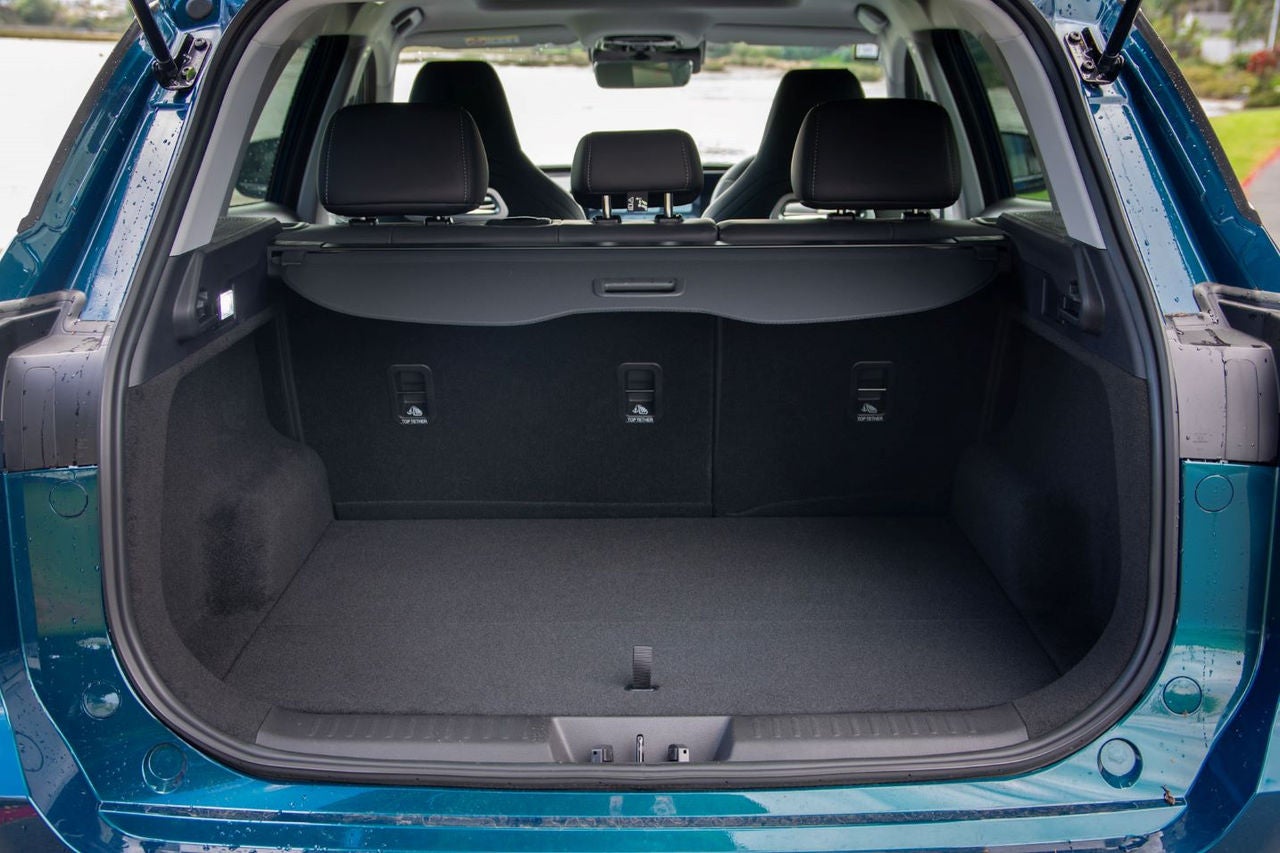
The Tiggo 7 punches well above its weight as a budget PHEV SUV. It combines silent efficiency with a spacious interior at an affordable price tag. It’s not flawless, but at this price and with such generous manufacturer warranties, it’s well worth considering for buyers in the market for a PHEV SUV.

Pros Cons
The cheapest PHEV SUV in New Zealand and comes with premium features. The ADAS feels inconsistent on NZ roads.
The generous EV only range is perfect for daily commuting. Wheel slip from the front wheels under hard acceleration, even in dry conditions.
A 7-year vehicle and 8-year battery coverage provides peace of mind. Haptic controls and HVAC sliders can be frustrating and unresponsive.