Front view of Subaru Outback

Car Launch: Subaru Outback

Thomas Siemsen

By Thomas Siemsen
Thomas Siemsen is the Creative and Content Executive at the AA, combining a love for cars with sharp storytelling. From test drives to explainers, he turns motoring topics into content that’s easy to understand, useful, and worth your time.

10 March 2026

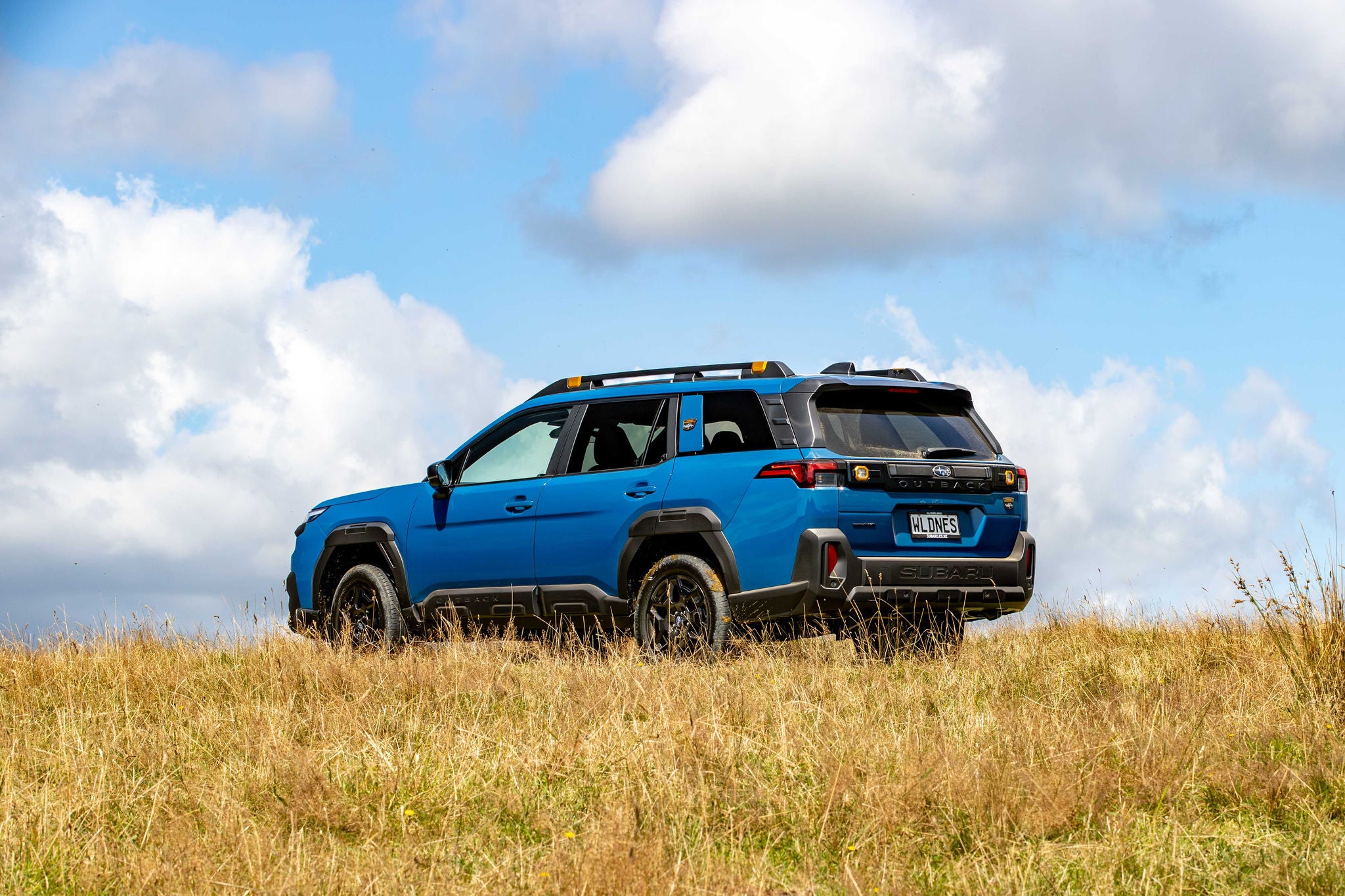
Subaru Outback in a field
Introducing the Subaru Outback Wilderness to New Zealand

The Subaru Outback has finally made a call on what it wants to be.

For 2026, the Outback steps away from its long-held wagon identity and re-emerges as a fully-fledged SUV. The seventh-generation model is redesigned from the ground up with increased height, a more upright stance and a stronger emphasis on capability.

Leading the range is the Outback Wilderness, making its New Zealand debut as the most adventure-ready Outback Subaru has ever offered, and it’s positioned as a genuine step up in hardware, clearance and intent.

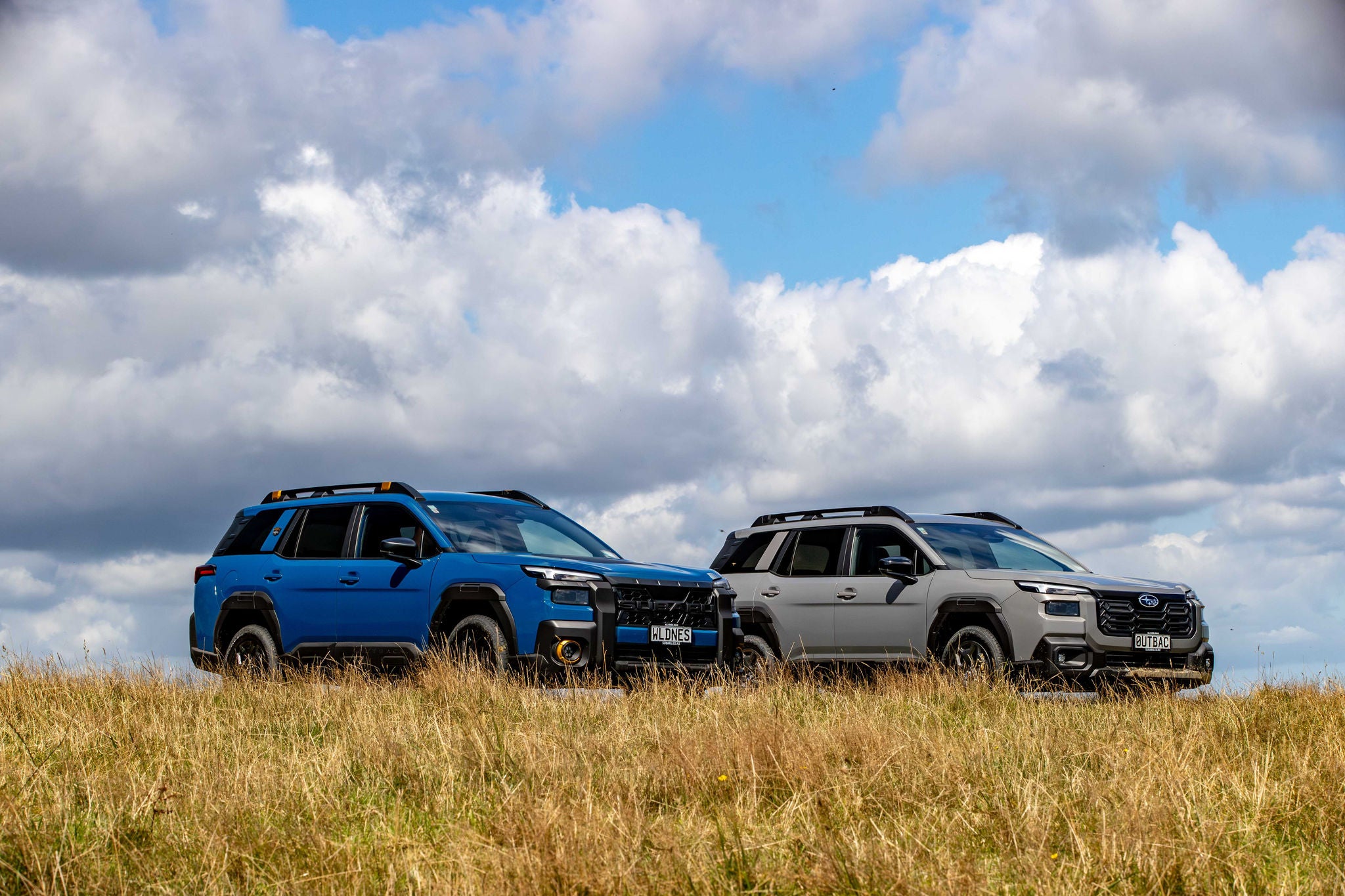
Hero shot of Subaru Outback
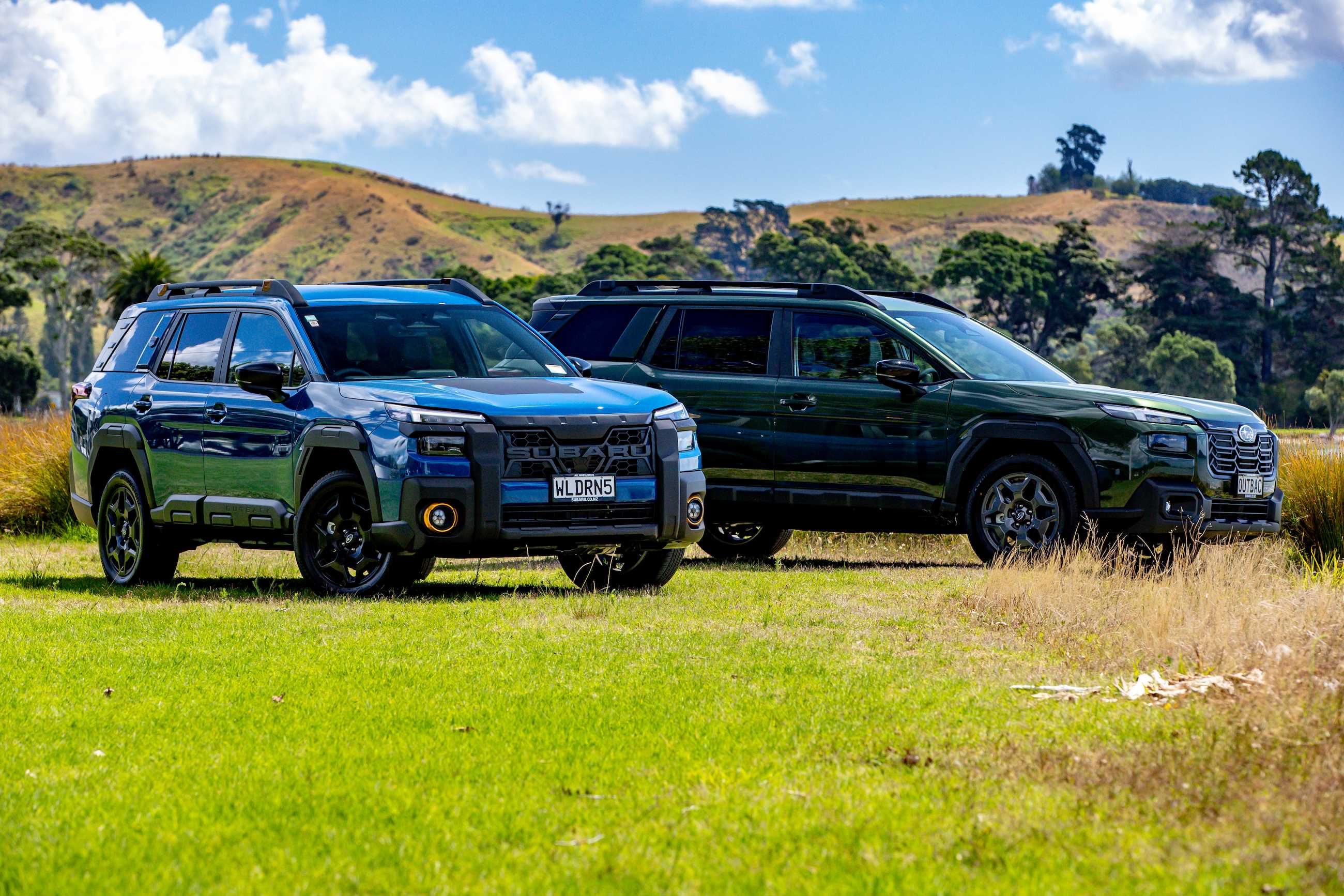
The new Subaru Outback Wilderness (Left) and Subaru Outback (Right)

Why does it matter?

Outback has been Subaru New Zealand’s best-selling model for years, largely because it has suited how Kiwis actually drive. Long distances, mixed surfaces and unpredictable weather.

The Wilderness variant is Subaru doubling down on that reality. With more ground clearance, revised suspension and a turbocharged engine, it targets buyers who regularly leave sealed roads behind and want something ready to go straight from the showroom.

It also reflects a broader shift in the market. Buyers are moving away from wagons, and Subaru has responded by rethinking Outback as an SUV rather than trying to sit between segments.

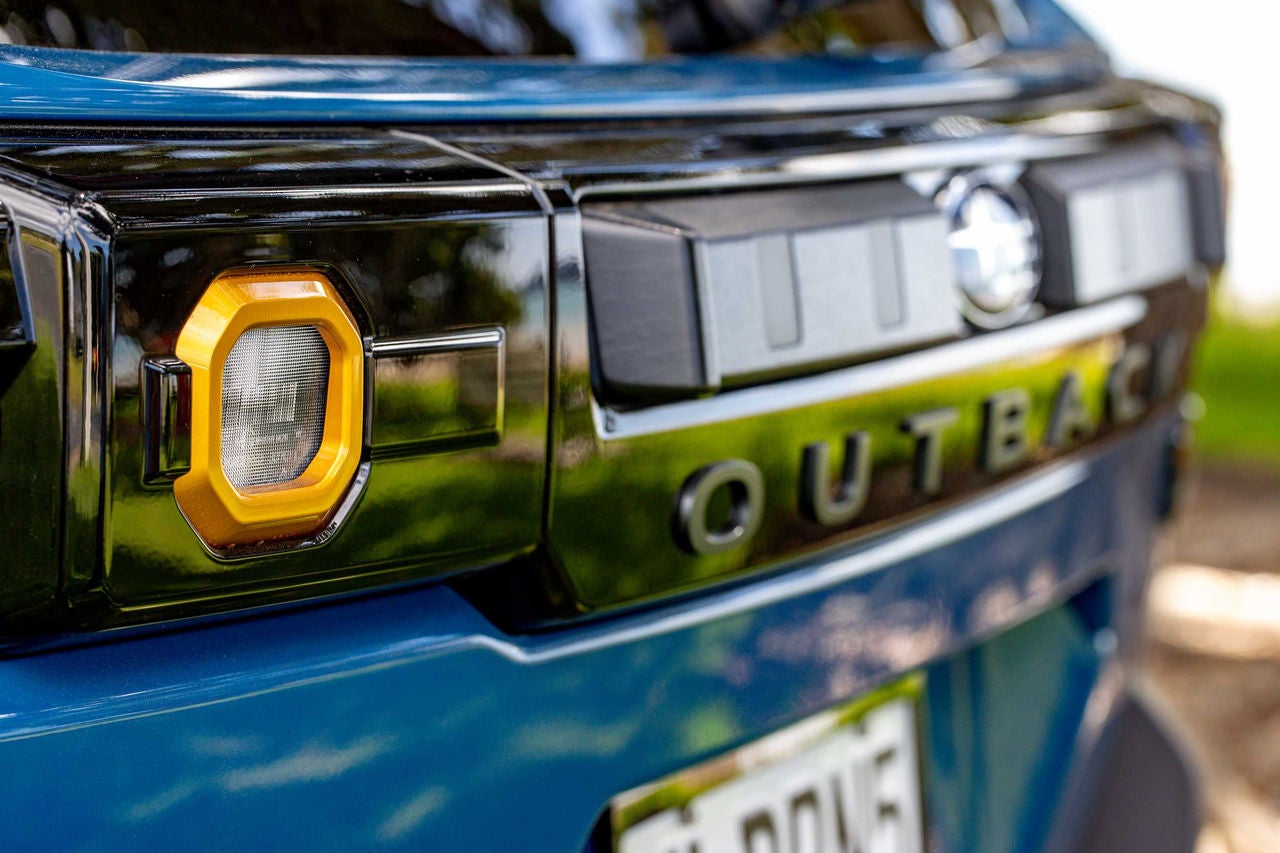
Copper coloured accents on the Outback Wilderness

What’s different this time?

Visually, the change is immediate. The new Outback is boxier and more upright, with sharper lines and less of the soft curvature seen on previous generations. It looks tougher because it is designed to be.

Wilderness adds further distinction with unique bumpers, expanded cladding, matte black wheels and copper-coloured functional accents on the roof rails and exterior detailing. These are visual cues, but they also highlight where the vehicle is intended to be used.

Underneath, Wilderness gains exclusive suspension tuning with electronically controlled dampers, increased ground clearance and revised off-road angles. It is also the only Outback powered by Subaru’s 2.4-litre turbocharged Boxer engine.

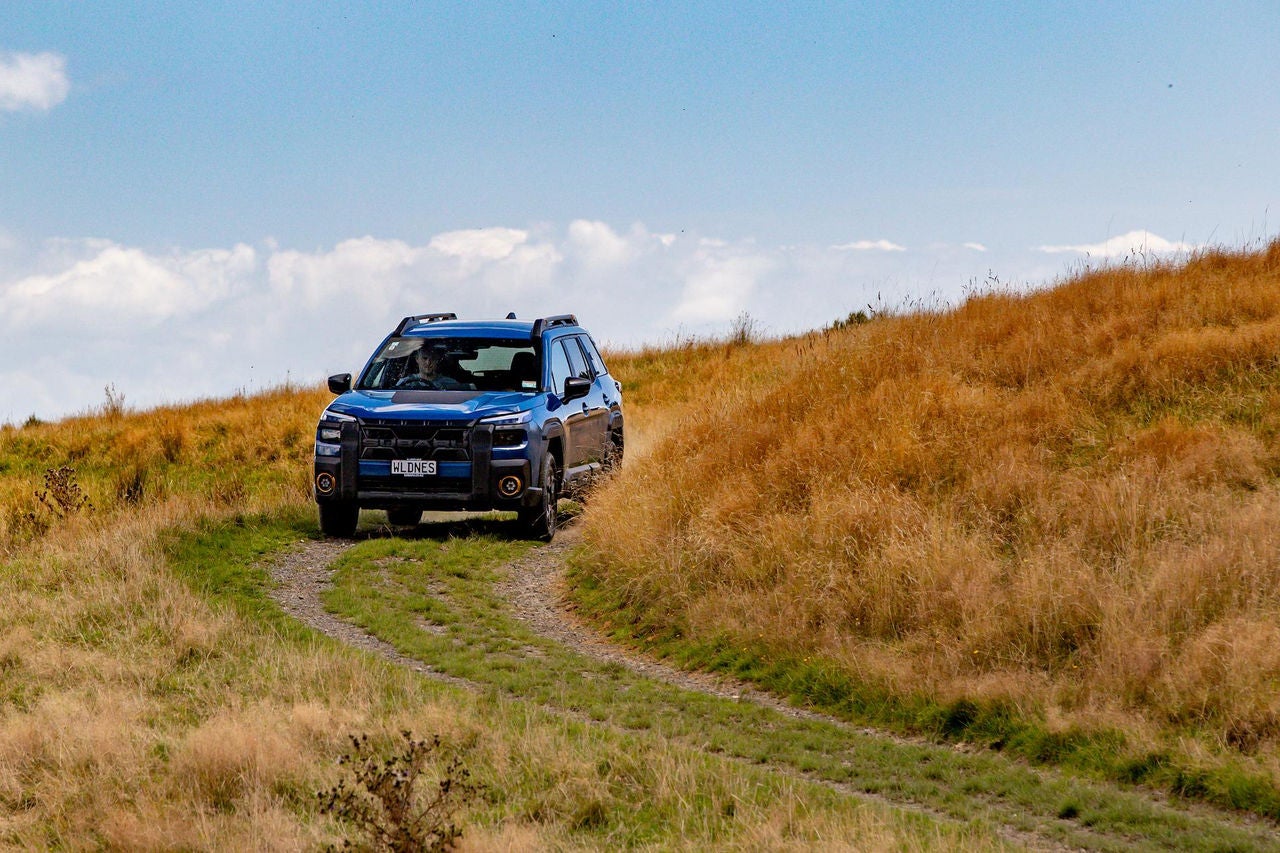
Driving around a field
Big, boxy and blue

First impressions at launch

The Clevedon launch route was well chosen. Narrow back roads, stretches of gravel and uneven surfaces highlighted the direction Subaru has taken.

From the driver’s seat, the Outback Wilderness feels taller and more substantial than before. The seating position is more SUV-like, visibility is improved, and the overall impression is of a vehicle built to handle rougher conditions without feeling agricultural.

This is not about speed or sharp handling. The emphasis is on stability, composure and confidence when the road surface changes. The Wilderness feels calm and controlled, particularly where older Outbacks could start to feel out of their depth.

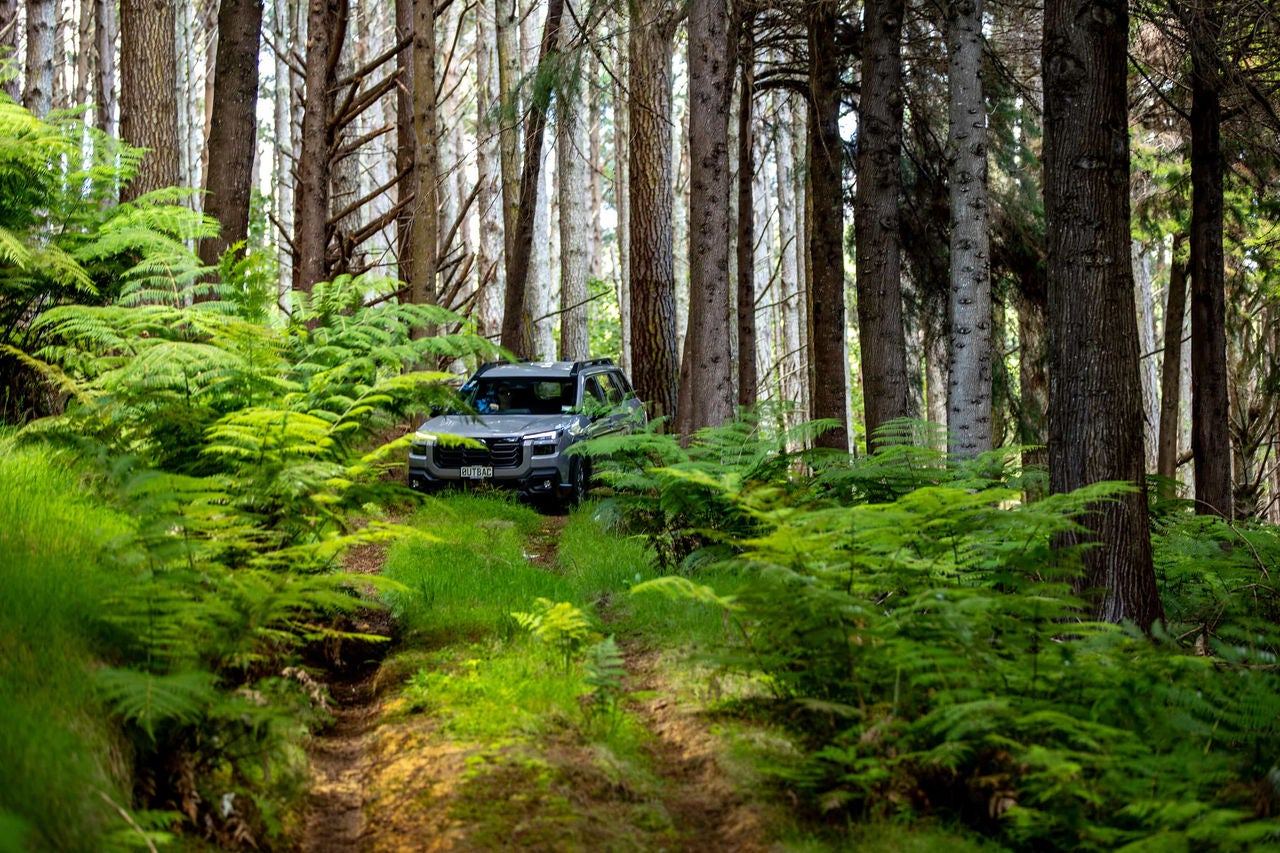
Subaru Outback driving around the forest track
Greater visibility due to increased height

Inside the cabin

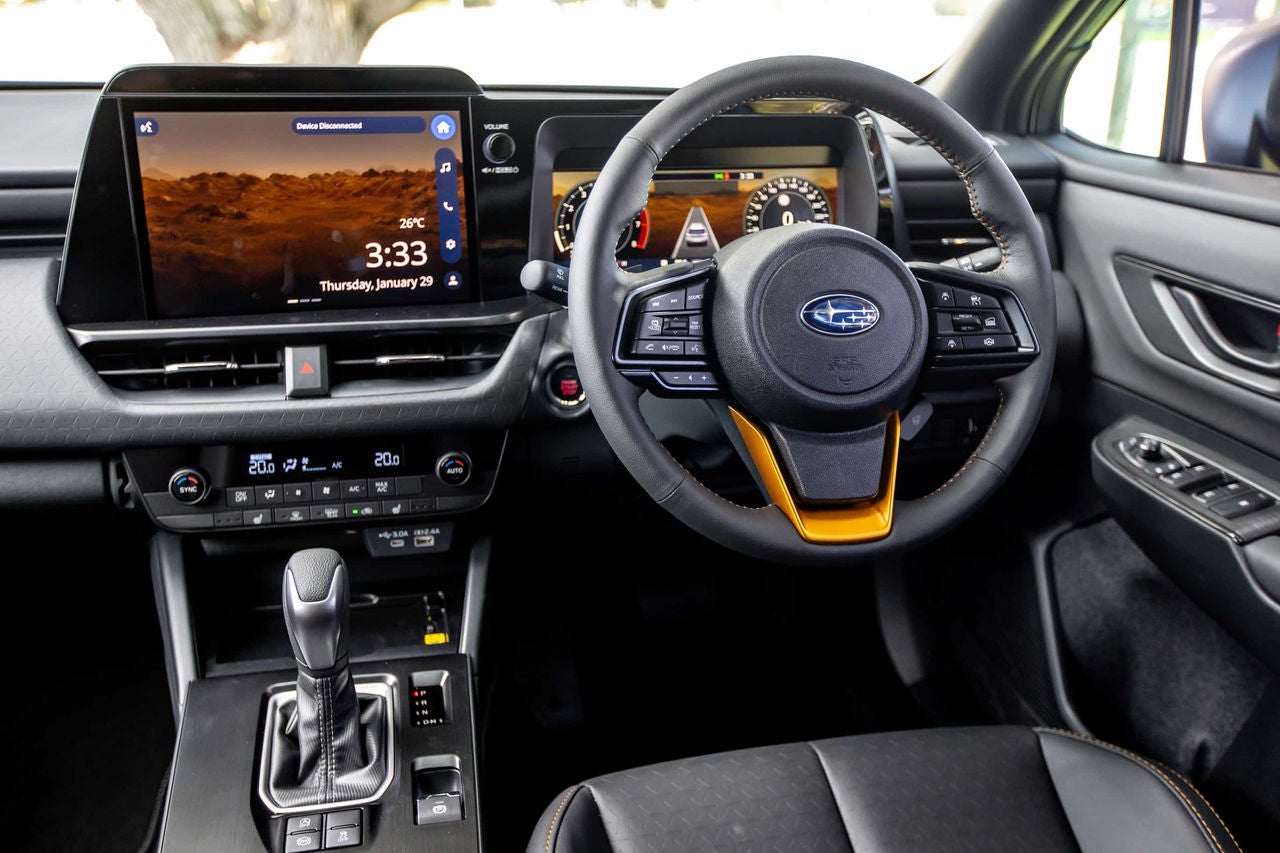
The interior reflects the same shift in thinking. It is more upright, more spacious and clearly designed with long-distance comfort in mind.

Technology takes a step forward with a new wide-format touchscreen and digital instrument cluster, but just as importantly, Subaru has brought key climate controls back to physical buttons. For a vehicle pitched at outdoor use, that matters.

Wilderness-specific materials are durable and easy to clean, without tipping into gimmickry. It feels like a space designed to be used, not protected.

Subaru Outback interior
Straightforward and spacious

The bigger picture

The 2026 Outback Wilderness is not trying to please everyone. It is heavier, taller and more focused than the Outbacks that came before it.

But it is also clearer in its purpose. Subaru has stopped hedging and built an Outback that aligns with how many New Zealanders actually travel.

This is not a full verdict, but first impressions suggest the Wilderness is less about reinvention and more about commitment. Subaru has picked a direction, and this Outback follows it with confidence.