




Frosted windscreen

Winter Driving Tips

Jo Percival

By Jo Percival
Jo Percival is the Digital Editor of AA Directions magazine.

23 April 2026

What do you need to know about driving in winter? From essential car maintenance to the way you drive, we’ve put together the ultimate how-to guide for when you hit the road in winter.

Adjust your driving to suit the conditions

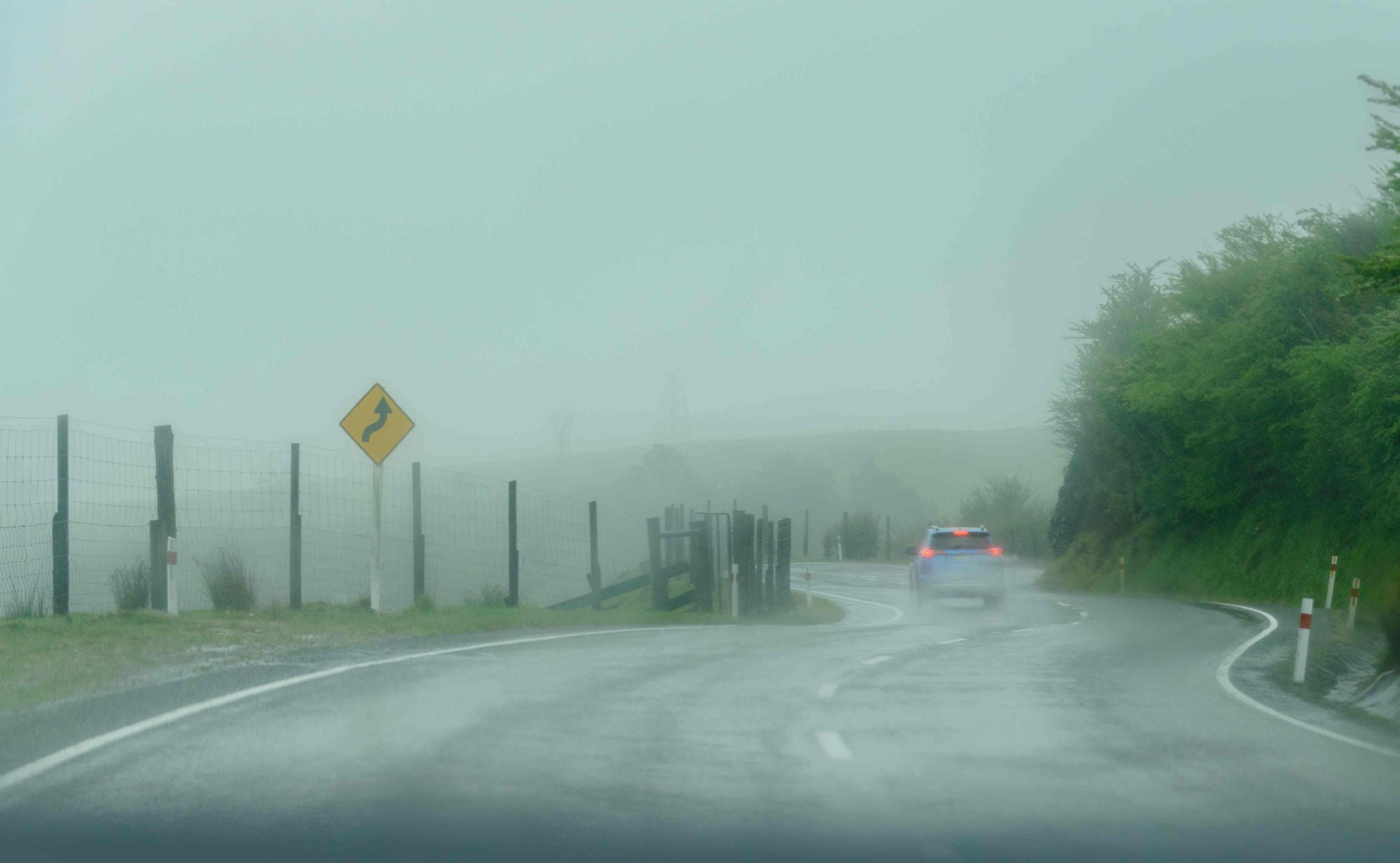
In the winter months New Zealand can get very wet and, in some places, the roads can be snowy or icy, which makes them very slippery. With reduced tyre grip, braking and stopping distances are much higher, and it’s harder to maintain traction on corners. So:

  • Increase your following distances. Your stopping distance can increase ten-fold on a wet or icy road, which means you should leave ten times the gap between you and the car in front.
  • Avoid sharp cornering, harsh acceleration or jabbing the brakes in order to reduce the risk of skidding.
  • Scan ahead for hazards, changes in road surface, or what other drivers are doing so you can react early and reduce your speed.
Windy wet road

Clean your windscreen

Damp conditions combined with greasy windscreens caused by smudgy fingerprints, can seriously impact your ability to see clearly when driving.

Good visibility is critical for safety. Prepare for winter driving by cleaning your windscreen and all interior glass thoroughly and remove any grease with detergents, a spirit or a household glass cleaner.

How to drive in snow

If your vehicle isn’t 4WD, it’s best to avoid driving in snow at all. But if you have a suitable, well-equipped vehicle, make sure you follow these tips:

  • Increase your following distances and dramatically reduce your speed.
  • Always select a lower gear or, if your vehicle has an additional snow or ice setting, ensure this is activated.
  • Keep your lights on so that you’re visible to others on the road.
  • If there has been heavy snowfall you might require snow chains. Make sure you have a set and have practiced fitting them before your trip. If in doubt, ask your service centre to explain the fitting process.

Should you drive through floodwaters?

The golden rule when facing a flooded road is never risk driving through it. It is almost impossible to judge how deep the water is and, if the water is moving fast, whether there is submerged debris being carried by the flow.

Flooded road

Stay on top of maintenance

Colder temperatures mean increased wear on your engine and extra strain on your car’s battery. So, what can you do to prevent being caught out in the cold with an inconvenient breakdown?

  • Book your car in for a pre-winter service and ask for new windscreen wiper blades and a thorough check of your tyre tread and pressure.
  • Get your battery tested and, if necessary, replaced.
  • Check your car’s fluid levels, topping up coolant and windscreen washer liquid.
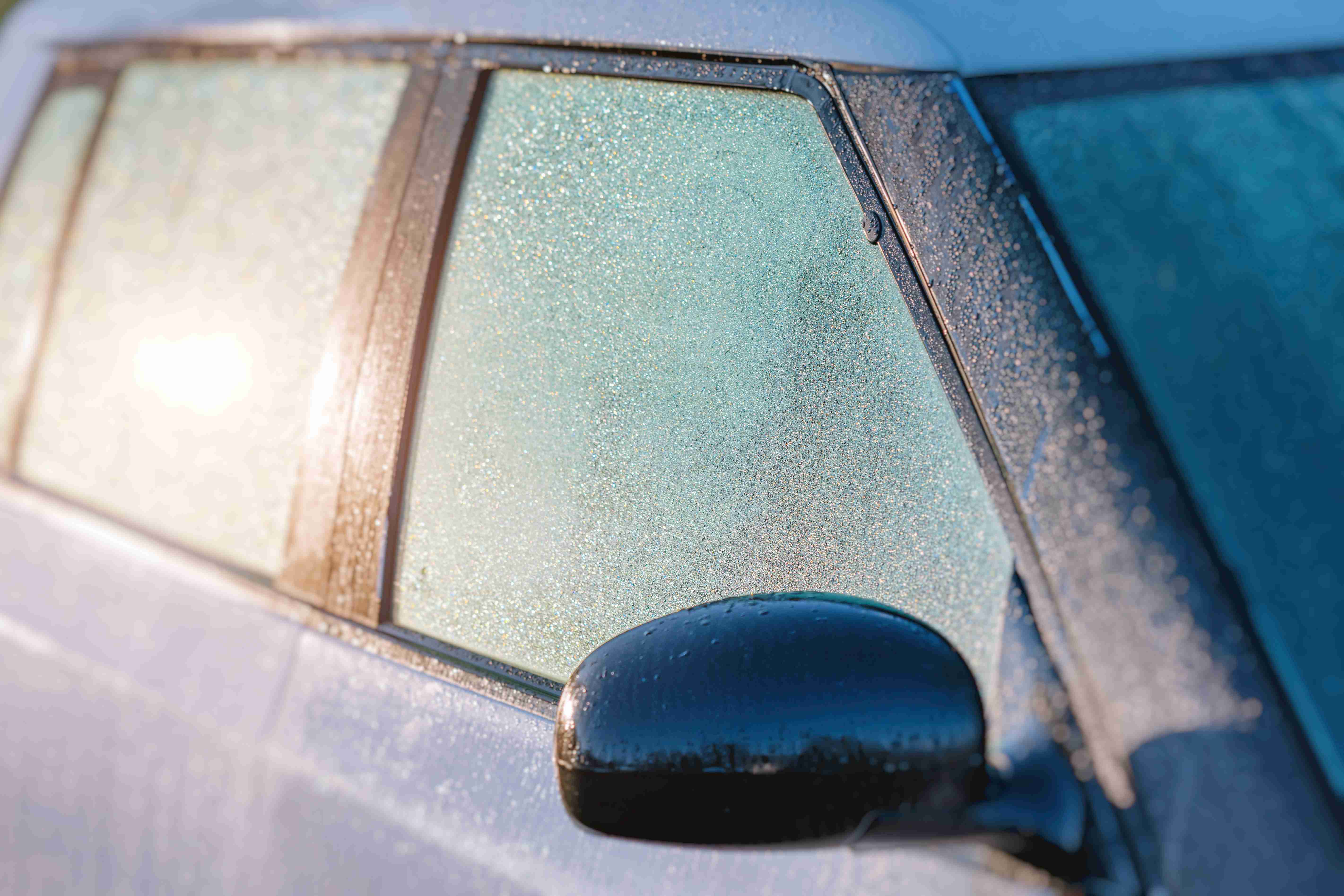
  • Keep an ice scraper in your glove box for frosty mornings.
  • Download the AA app so that you have help at your fingertips in case you need it.

Be prepared for the unexpected

If you’re hitting the road in winter, make sure you have the essentials you might need in case your trip doesn’t go to plan.

  • Make sure your cell phone is charged and also take a charger with you.
  • Pack a water bottle and snacks in the car.
  • Take a change of clothes and a warm blanket.
  • Keeping an AA Essential Vehicle First Aid Kit or AA Grab & Go kit in your car will also provide essentials in case of an emergency.