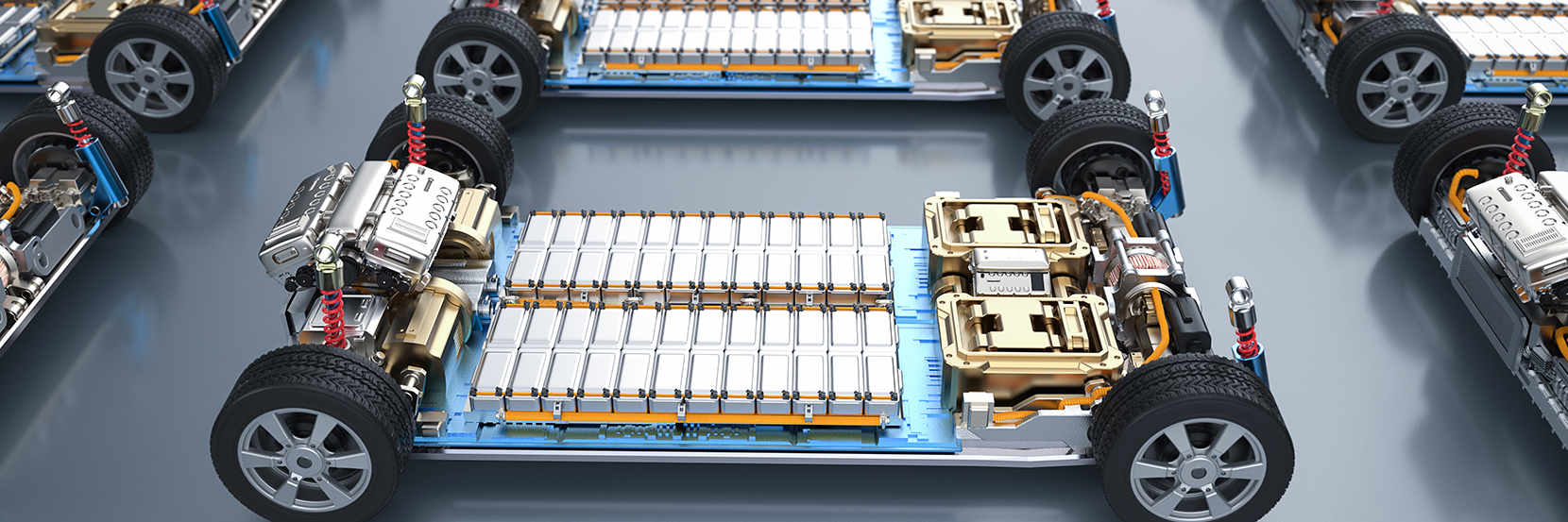
What happens to EV batteries at the end of their life?
07 April 2026
We investigate the problems and opportunities for EV battery recycling in New Zealand.

We reveal the secrets of the ANCAP crash lab.
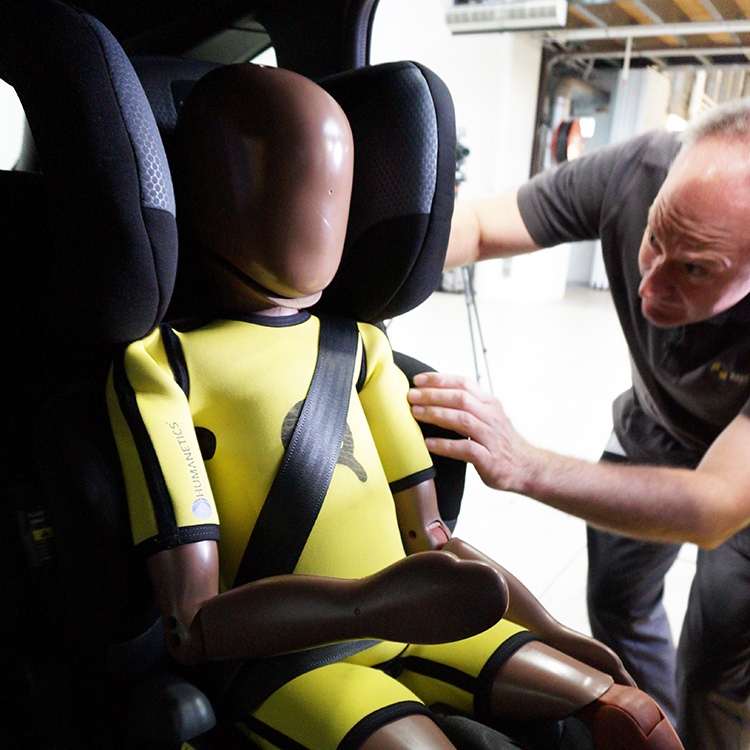
The ANCAP (Australasian New Car Assessment Program) dummy family, a group of technologically sophisticated crash test dummies, play a starring role in keeping us safe.
“We have a whole family of dummies – adults and children, male and female – and they give us vital insights into what happens in a crash and what injuries drivers, passengers and other road users are likely to sustain,” says ANCAP CEO Carla Hoorweg.
The independent voice in vehicle safety for New Zealand and Australia, non-profit organisation ANCAP SAFETY was established in 1992 and since then has published safety ratings and gradings for thousands of new vehicles. Their ongoing testing in passive crash protection and active crash avoidance has encouraged vehicle manufacturers all over the world to design and deliver the safest new cars possible. ANCAP’s hard-working dummy family is just part of the picture.
“We’ve got five independent testing labs across Australia. Two of them are responsible for crash testing, two for crash avoidance, and one for pedestrian impact.”
Vehicles that go through ANCAP’s rigorous testing process must undergo all three, a process which takes a couple of months, and costs the car manufacturer on average AU$750K. Plus they have to sacrifice four new cars and some additional bumpers and bonnets.
Achieving a five-star ANCAP rating for safety (the highest score) is a huge selling point, and one that brands go to extremes to secure.
“Plus,” says Carla, “it’s an important part of the research and development process from a safety perspective; when you look at the cost to society of serious injuries it really pales into insignificance.”
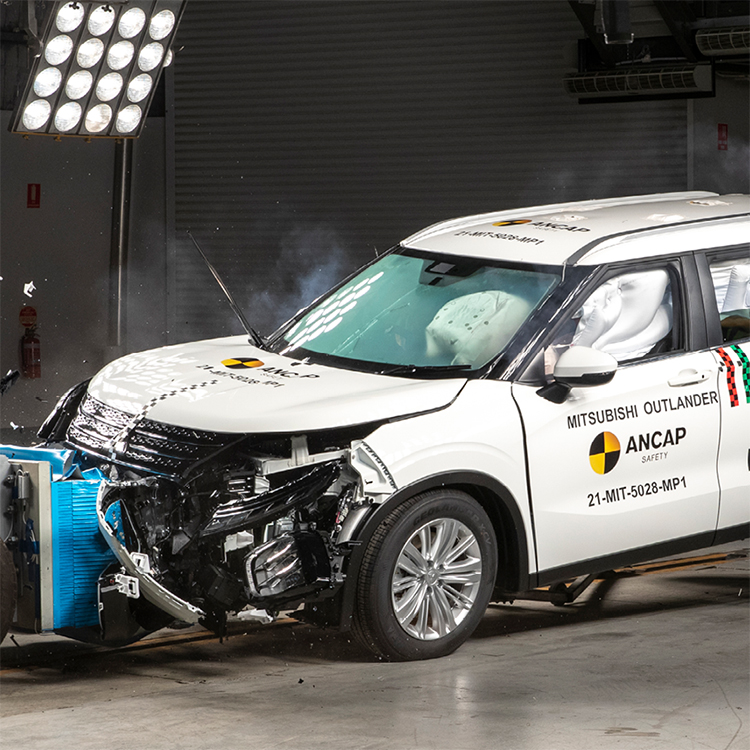
The crash test labs are where ANCAP’s dummy family is the busiest. There they’re put through four different types of crash tests, (full width frontal, frontal offset, side impact and a pole crash), providing critical data that informs ANCAP’s assessment and scores. THOR (the most advanced crash test dummy) is the driver used in the frontal offset test, which sees 50 percent of the vehicle on the driver’s side make contact at 50km/h with a trolley travelling towards it at the same speed. Next to THOR sits another adult passenger and, in the back, a ‘six-year-old’ and a ‘10-year-old’ child dummy, both in child restraints. The family of four is used to facilitate the scientific measurement of the various forces in the crash. Later – among other things – they’ll endure a 1,400kg trolley T-boning their vehicle at 60 km/h and will be hurtled into a rigid steel pole at 32 km/h.
Over at ANCAP’s pedestrian impact lab, tests are conducted to assess the injuries pedestrians sustain when the testing vehicle hits them, while at the crash avoidance testing labs, vehicles are evaluated on how good their safety technology is at mitigating - or better still preventing - accidents before they happen, with features like Autonomous Emergency Braking, Lane Support Systems and Driver Monitoring Systems under the spotlight.
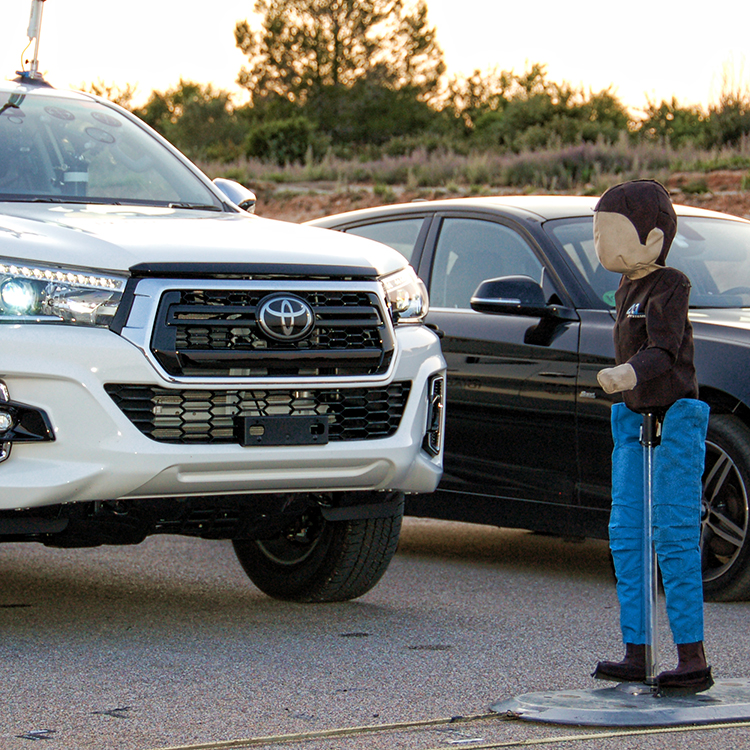
Vehicles are put through their paces in hundreds of different scenarios – at different speeds, at different times of the day and night, and across the full family of crash test dummies. It’s certainly comprehensive, and this year ANCAP is upping the ante with the introduction of a new vehicle rating criteria that better reflects the new frontiers in driver safety. From this year, all vehicles will be evaluated across the Stages of Safety: Safe Driving, Crash Avoidance, Crash Protection and Post-Crash. Each of the four stages will be scored out of 100 points, determining the overall star rating and providing additional information to consumers using percentages.
Says Carla, “We’re putting the carrot out there for manufacturers to do better, and setting a clear bar that will continue to challenge industry beyond regulation, inform consumers, and help reduce road trauma.”
This story is from the Autumn 2026 issue of AA Directions magazine.