
Behind the scenes of the Napier Art Deco Festival
17 March 2026
What does it take to transport a whole city back to the Jazz Age for a weekend?
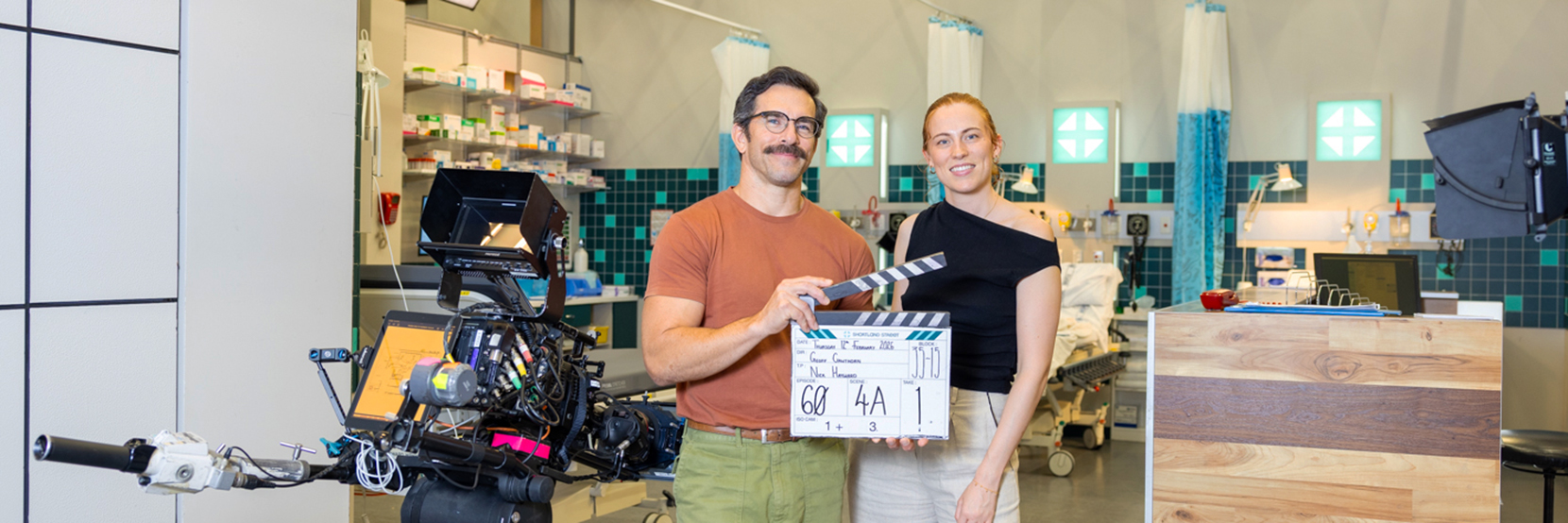
We visit the set of Shortland Street to find out how New Zealand's longest-running soap is brought to life.
For more than three decades, Shortland Street has told New Zealand stories to a captivated Kiwi audience. Often ahead of its time, the first episodes in 1992 covered abortion, a nurses' strikes and made te reo Māori mainstream with the character Dr. Ropata played by Temuera Morrison.
The fate of today’s characters is in the hands of Story Producer Shelley Waddams and a team of writers, including Jared Turner.
“These are stories being told by and for the people we live with and who we love,” Jared says. “For me, it’s not just about hitting story beats, it’s about hitting emotional beats. That’s why people love to watch the show, they get drawn into it emotionally.”
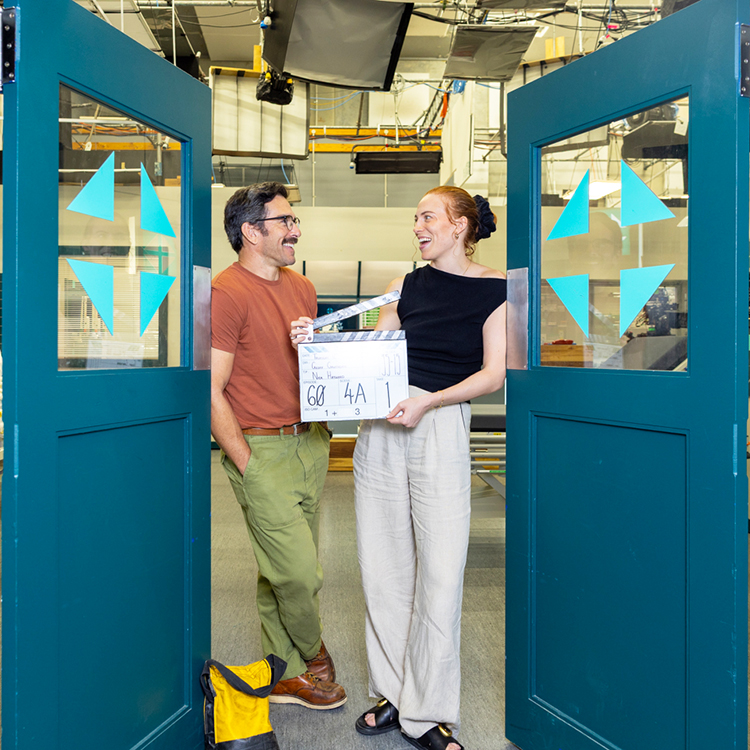
Jared and the show’s nine other writers work at different stages throughout a five-week cycle, beginning with story lining and structuring to determine scene order, followed by script writing.
“We work in pairs, so we’ve each got somebody to work the block with to understand what’s going on. Are we hitting the emotional beats? Are we telling the story that we set out to do in week one? Are we still aligned with the overall arcing story of the show? Are we making sure the character’s voices are present?”
These are the questions Story Producer Shelley and Producer Oliver Driver are looking for when Jared pitches his ideas.

“We’re looking to have a big medical event of course, and a little bit of romance,” Shelley explains. “We also try to have comedy, and we search for mystery, excitement and adrenaline.”
Shelley admits to often feeling surprised (and even shedding tears) when watching her team’s artistry come to life on the screen.
“My department is where the seeds of the story begin. It’s really fun to have ideas that turn into something else as they get to the script process and then change again once they’re shot. Sometimes they stay entirely the same, but it’s incredible to watch the process right up until it gets aired, which is often funnier than I thought it was going to be.
“And of course, the actor’s own interpretations. They know their character better than anyone, and so they’re bringing them to life in their own unique way.”

Among the cast is award-winning actor Stephen Lovatt, who plays emergency room doctor Emmett Whitman.
“Emmett isn’t me; there’s no way I would be saying the things he says and behaving in the ways he does. But the sound of his voice, the way I move my face, I respond to that as the actor in my way,” he says between scenes.
To prepare for a scene, Stephen studies the emotional arc, where his character has come from before, and where he must reach to enter the next part of the story.
“Shortland Street is a very fast turnaround television. Something must happen in every scene and as actors, part of our prep is knowing where we’re coming into, what’s changing in that scene and where we’re going. Sometimes it’s not your character; sometimes you’re only there to serve another character’s story. It’s like you’re sitting there with a spaghetti bowl of story lines, and you’ve got to somehow keep it all moving forward. It’s great fun, but it’s complex.”
The behind-the-scenes team includes more than just directors, producers, writers and editors. Qualified nurses are on set full time to ensure all medical terminology and procedures are accurate, while wardrobe curators meticulously manage the continuity of all clothing and accessories worn on screen. The art department also has its own special recipe for the copious amounts of blood used on set.
For Stephen, it’s this collaboration and playfulness between the entire crew that makes his work fulfilling.
“Everything is really just crafted play, and that’s where the show succeeds,” he says. “The audience responds to it; they understand that this is just a soap, but they also get moved by it.”
This story is from the Autumn 2026 issue of AA Directions magazine.