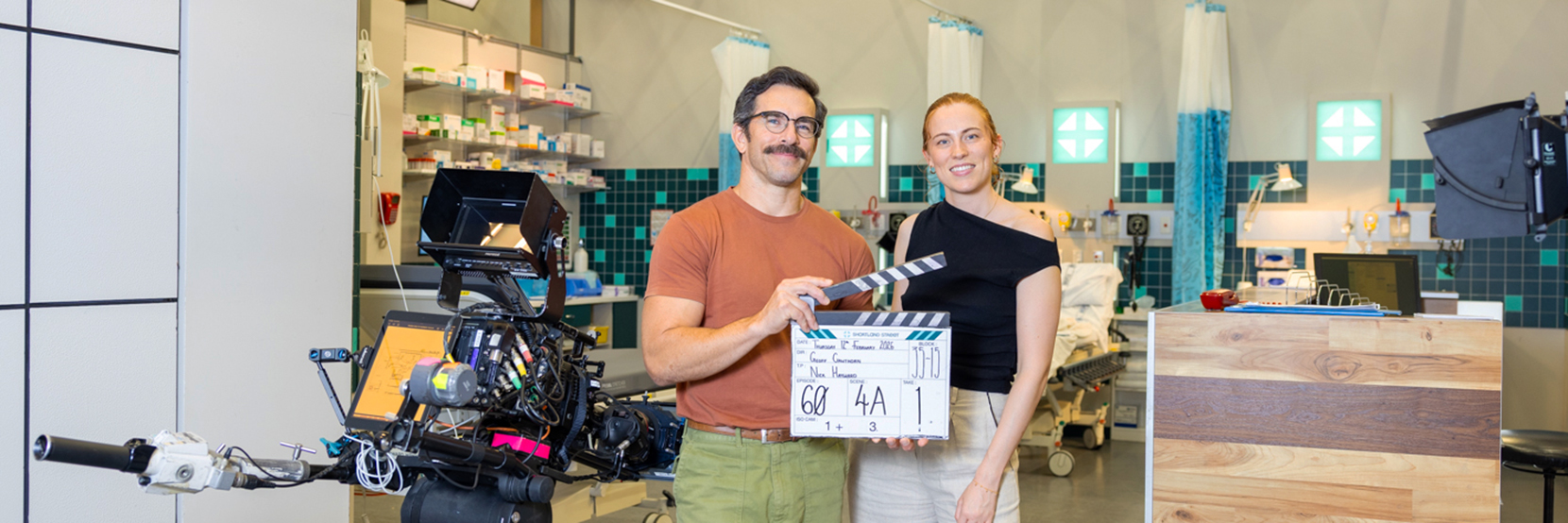
Behind the scenes of Shortland Street
18 March 2026
We visit the set of Shortland Street to find out how New Zealand's longest-running soap is brought to life.
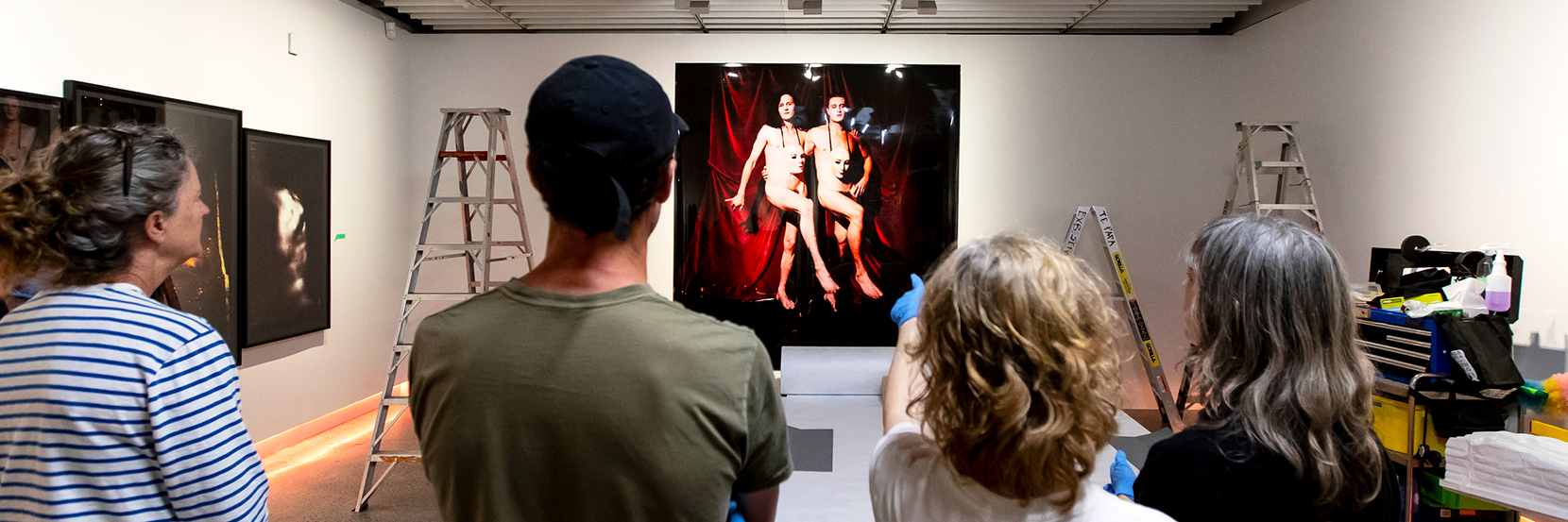
What does it take to curate a major New Zealand photography exhibition at Te Papa Tongarewa?
Slow Burn: Women and Photography / Ahi Tāmau: Māreikura Whakaahua an exhibition of photography opened at Te Papa earlier this year. It’s a major show of works from the museum collection; it takes up four galleries and will hang for a year.
How does such a show come about? What goes on behind the scenes to pull something like this together?
All up, around 25 people were involved, but the main player was curator of historical photography, Lissa Mitchell. She started focusing on the project in early 2025, building on a decade of research and picking up from her 2023 publication on New Zealand women photographers from 1860-1960. The companion catalogue to Slow Burn, which focuses on photographers up to the present day, took her around six months to write; she did this while curating the current exhibition.
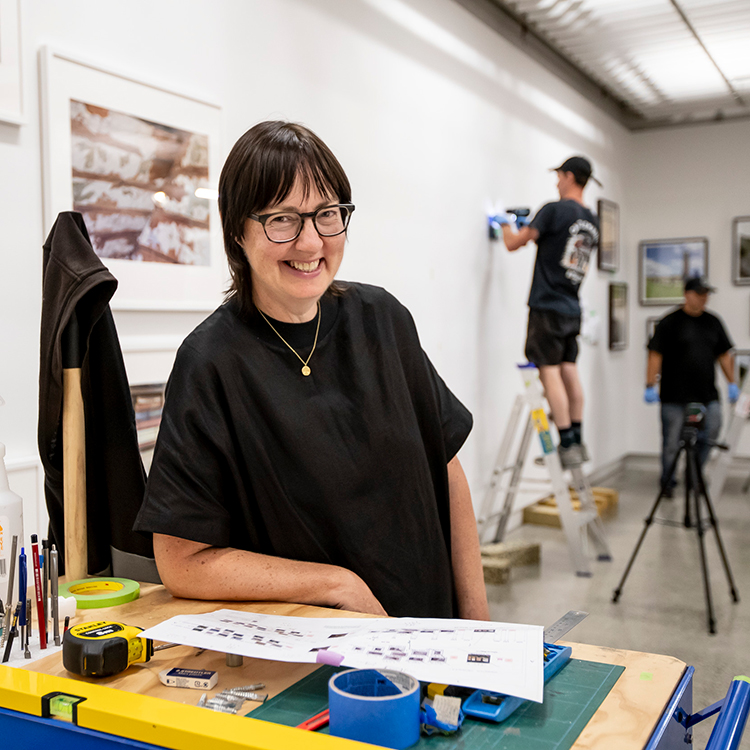
By September last year, the list of photographs was confirmed and exhibition designers, conservators and gallery technicians started preparation. Framing was finalised, in consultation with artists, and display cabinets for albums and photo books were designed and built.
Conservation care was applied to some of the fragile photo albums and to works featuring additional elements, such as feathers on Fiona Pardington’s multi-media piece Descent into Flesh.
Design work kicked in for lighting. Light levels must be carefully managed, especially for historic images and polaroids. Albums such as those of Alice Keith, a nurse who recorded her time in Egypt during WW1, can’t be left open under lights for too long; pages must be turned every few weeks. Which pages of My Snaps in Egypt would be revealed, and for how long, was decided by the curator in advance.
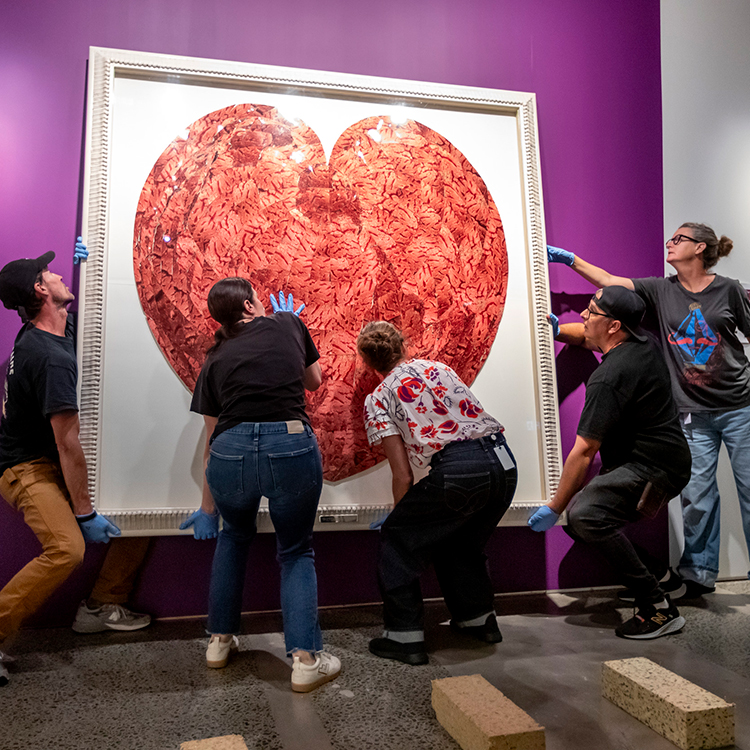
Partitions and temporary walls were built; so too were panels to project images onto, and a space to accommodate video. Gallery walls were painted, in different but related colours for different themes. Rectangles of pale colour were applied to walls featuring projections; large, unframed works needed safe attachment systems. Hidden lights were installed under skirting panels. All these details, considered and designed in advance, came to life at the hands of specialist technicians.
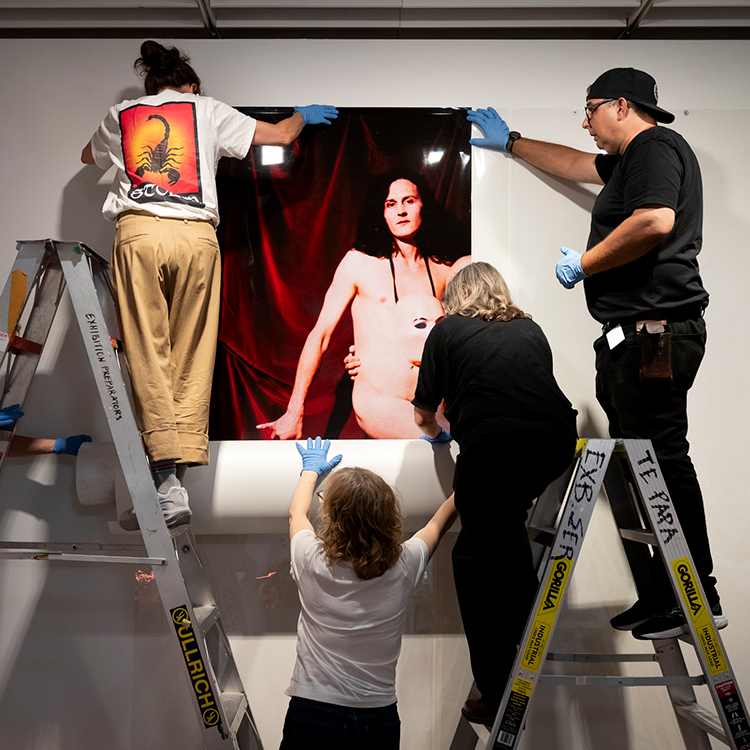
In mid-January, the actual hanging of works began. Meanwhile, labels were being produced, the catalogue was at the printers, publicists were busy drumming up interest in the show and details of media and patron opening events were decided.
On February 28 the exhibition opened to the public. Today, people wander from room to room, from photograph to photograph, pausing to read labels, peer into the pages of an album – oblivious to the time and effort that went into bringing Slow Burn to life.
This story is from the Autumn 2026 issue of AA Directions magazine.