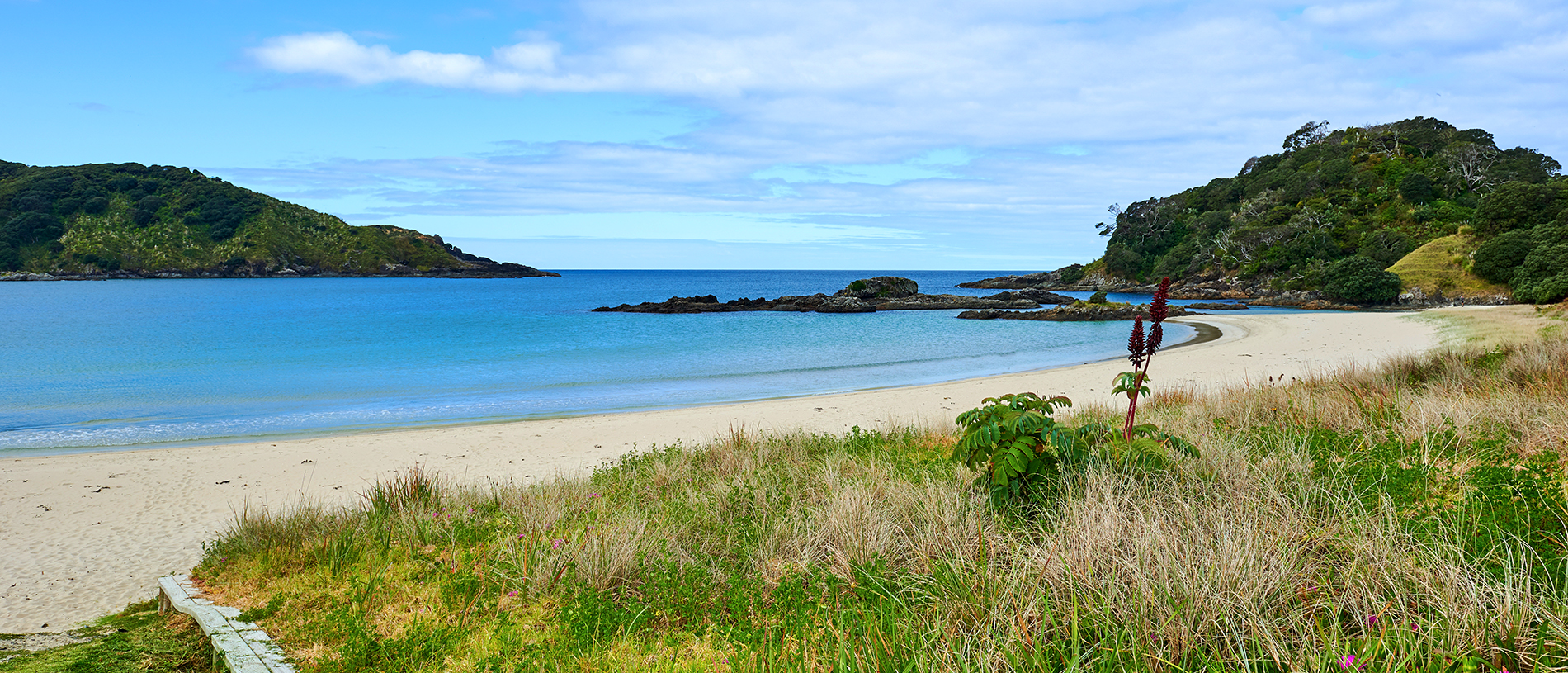
Road Trip: Auckland to Northland's Matai Bay
03 March 2026
A coastal road trip from Auckland to Northland takes in art, glorious beaches and plenty of adventure.
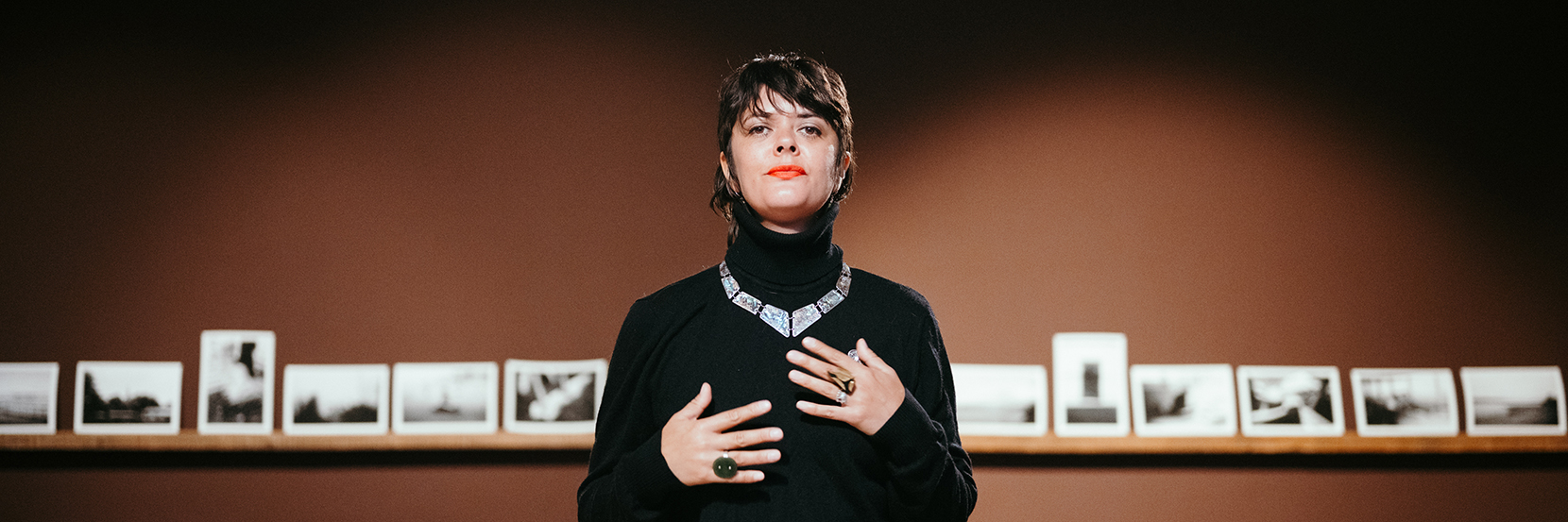
How does the programme of exhibitions come together at the first-ever public art gallery dedicated to contemporary Māori art?
The Hundertwasser Art Centre with Wairau Māori Art Gallery is the last authentic Hundertwasser building in the world and the first-ever public art gallery dedicated to contemporary Māori art.
Since opening its doors in Whangārei in 2022, the gallery’s inaugural director Larissa McMillan and her team have worked to uplift Māori artists and showcase best Māori-led practice. They present three trailblazing exhibitions annually – put together by guest Māori curators – and deliver dynamic educational programmes across schools and communities.
Tikanga Māori is at the centre of their mahi, with manaaki (support and care) the North Star that propels them forward.
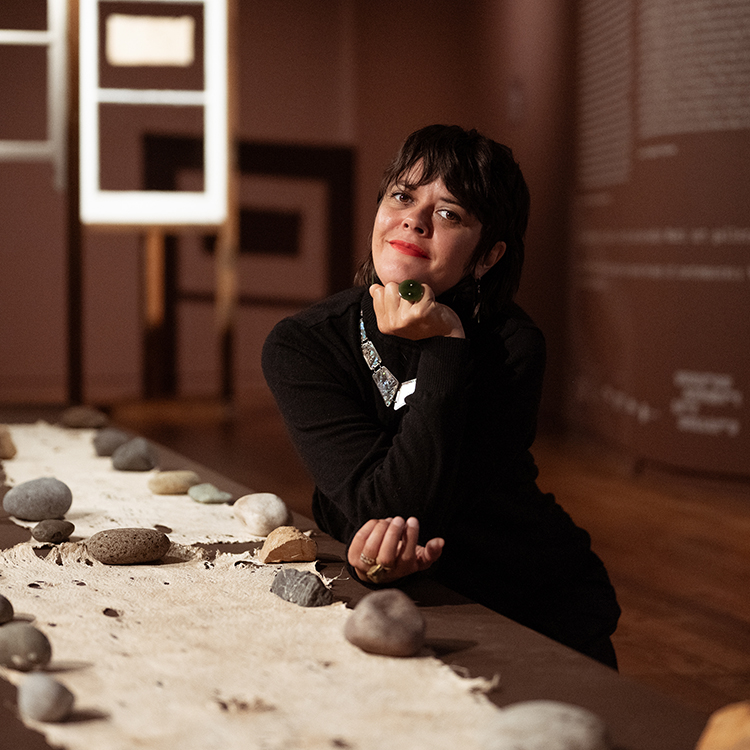
“Our non-profit gallery operates in a kaupapa-led way, meaning we’re guided by manaaki at every level,” Larissa explains. “Our artists are taonga (highly prized) and sit at the heart of everything we do and we have an outstanding board of industry leaders who work collectively to realise our shared vision.”
A tuakana-teina (teacher/mentor) framework operates at every level of the business, including in the curation of exhibitions, where lead curators work alongside emerging curators.
“Teina (younger) work with senior practitioners so that there’s succession and shared learning. A tuakana (elder) has the responsibility of fostering that younger person’s experience, however, it’s a duality – as is everything in te ao Māori (the Māori worldview). The learning is in tandem, never top down.”
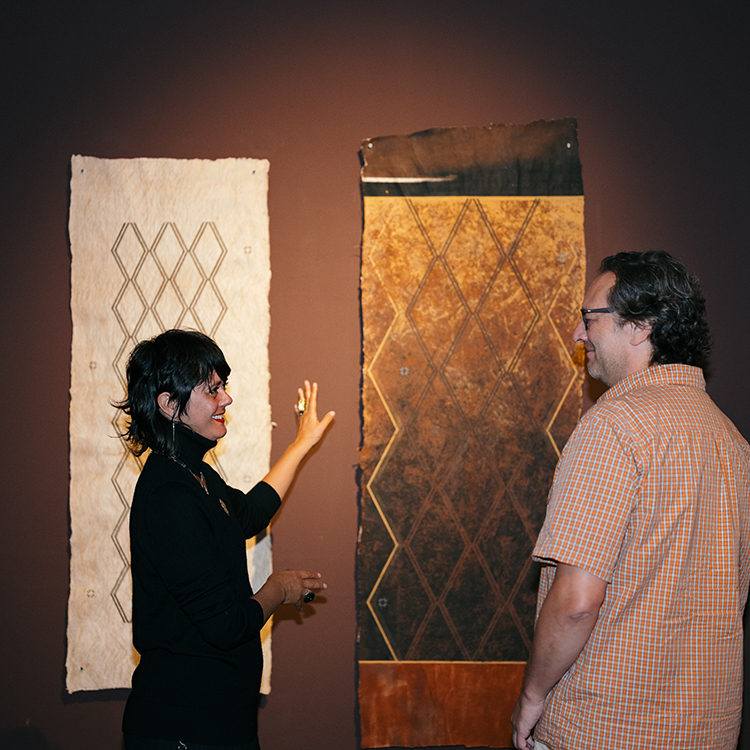
Working with one foot in today and the other firmly in the future, programmes are planned well in advance.
“I was thinking about 2028 before we’d even finished 2025! Some of our board members hold the portfolio for discussing programming so we usually start with a group hui to reach consensus around what’s practical and what’s best. We have to work within our financial means, so ambition needs to stay national and local rather than stretch to lofty international projects – though we’d love that to become a reality one day.”
There’s much to consider: who are the artists, who are their people, what do the exhibitions want to say, and how will they resonate with the community? Essentially, the team wants diversity and work that sparks reflection and curiosity – from solo exhibitions celebrating senior practitioners through to group shows with emerging artists. Talks, workshops, and online videos are also part of the lineup.
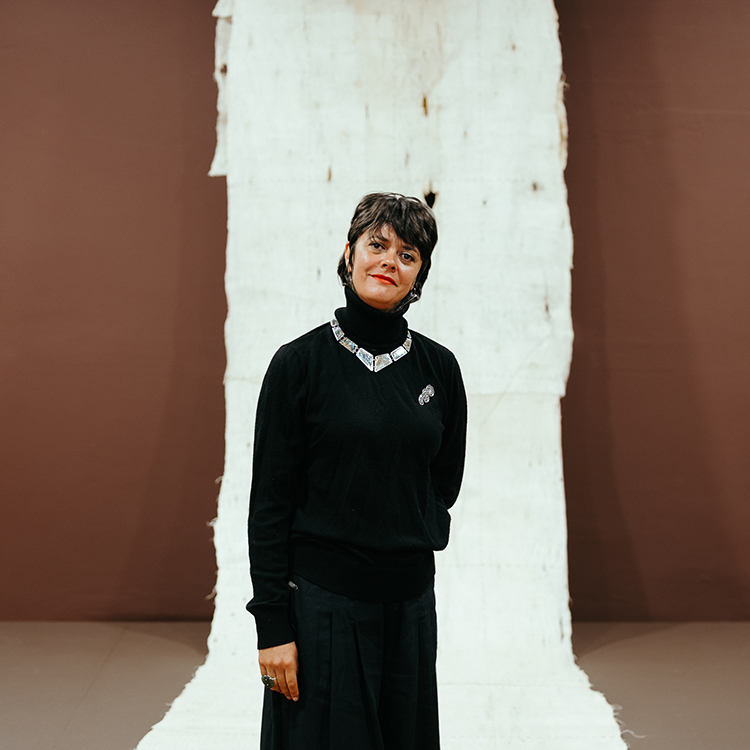
“The curator is our first point of contact. They decide what the show is saying, and come to us with trusted networks. They usually have artists in mind that they want to work with and know whether those artists have work that would be appropriate or can develop work that aligns with the exhibition’s intention. Sometimes work is unavailable; we often loan from other collections so relationships are incredibly valuable. We have to be flexible and organised; things can change very quickly.”
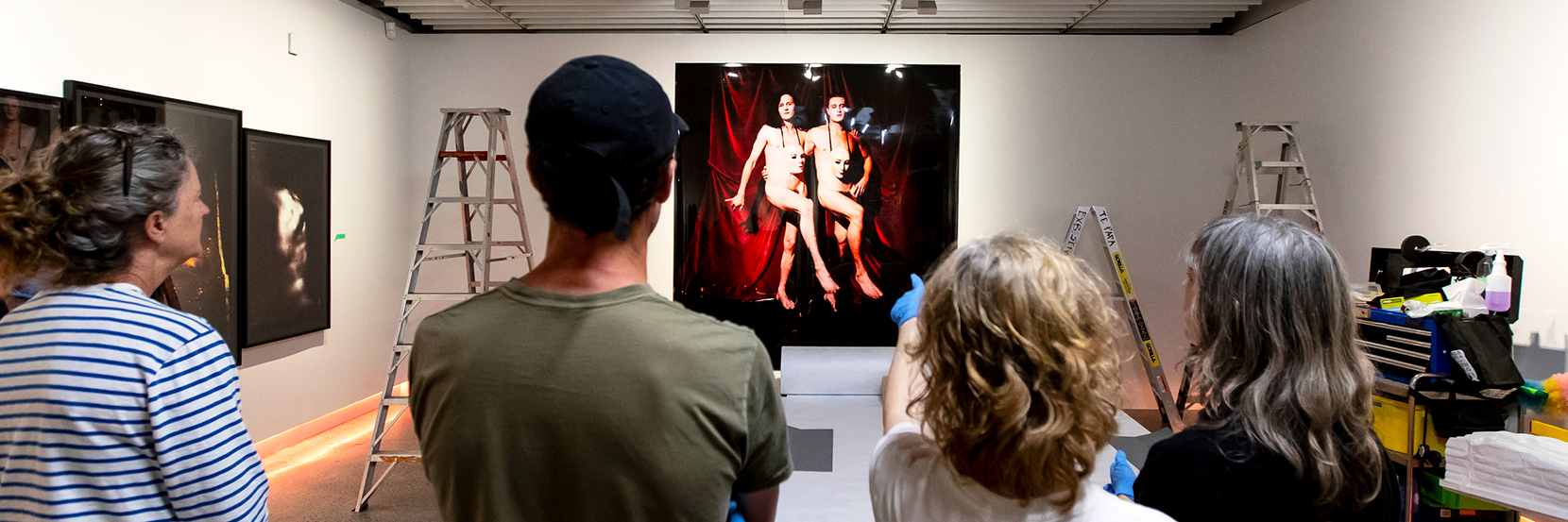
The fortnight before each show opens is dedicated to changeover – one week for deinstallation of the outgoing exhibition, then a reset, followed by installation.
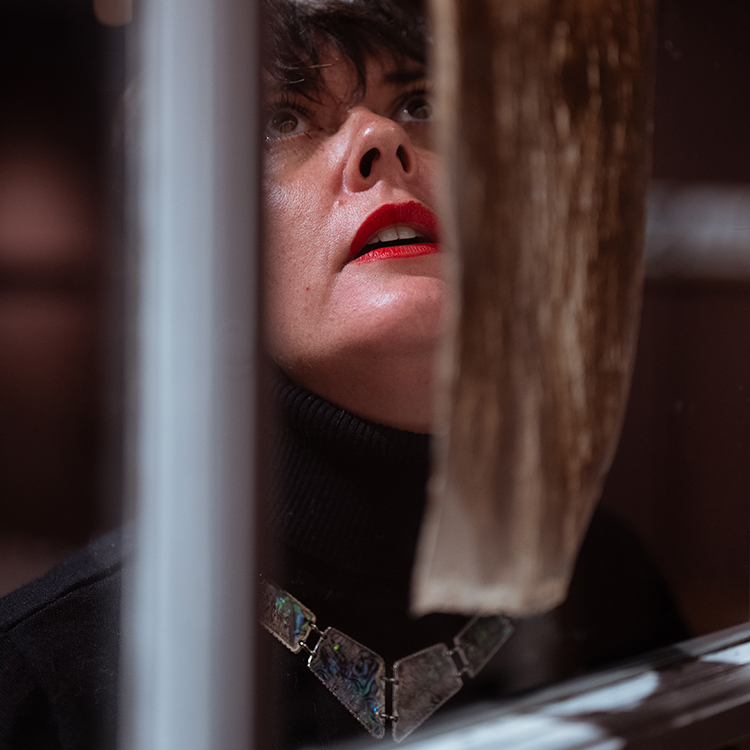
“Putting on an exhibition takes many people: curators, conservators, technicians, kaiako, educators, writers, translators, designers, registrars, administrators, board members, volunteers, iwi, freight handlers, photographers, funders, friends and whānau…. It’s truly the success of the many.”
But what’s on the walls at Wairau is just the beginning. Working alongside Larissa is a part-time kaimanga mātauranga/educator who facilitates a calendar of educational programmes.
“We’re really proud of our education and public programming outreach. When we talk about working in a manaaki-led way, that also means with our rangatahi (youth). We try to connect with whānau and community in ways that are relevant to their worlds.”
This story is from the Autumn 2026 issue of AA Directions magazine.