Behind the scenes of the Napier Art Deco Festival
17 March 2026
What does it take to transport a whole city back to the Jazz Age for a weekend?

We investigate the logistics and planning that goes into a vintage aircraft show.
It’s the thunderclap moments that wow the crowds. The daring aerobatic stunts and dogfights, the high-speed passes and fearless formation flying. But that’s just the final act, the culmination of months of planning.
As New Zealand Warbirds Association president Frank Parker explains, the power that drives an electrifying airshow is built on the ground, long before the engines roar.
“Once a year we hold Warbirds on Parade at Ardmore Airport. Not only is this airshow our biggest fundraiser, but it’s an opportunity to promote ourselves as an organisation,” says the helicopter pilot, trainer and retired Air New Zealand captain.
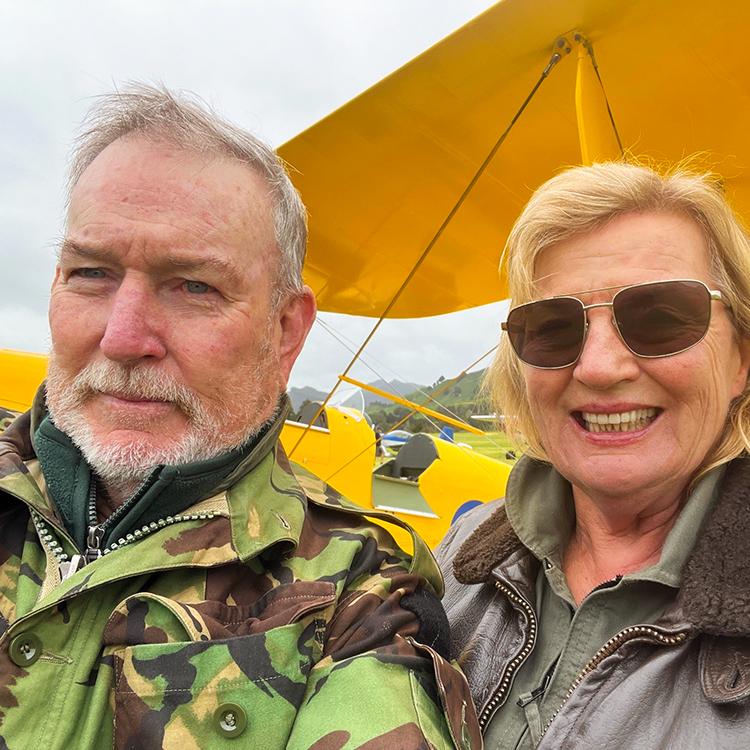
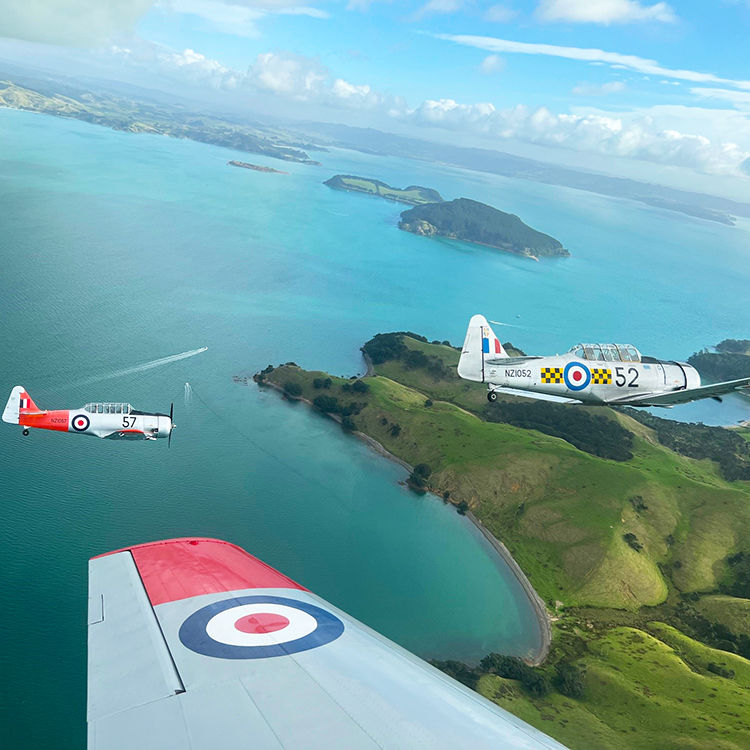
Since taking the reins as Warbirds president in 2012, Frank has been the driving force behind countless airshows, both as an organiser and in the air, displaying P-40 Kittyhawks or flying alongside his wife Liz Needham as part of the Roaring Forties Harvard Display Team.
“We start planning our airshows four or five months in advance, with an inaugural meeting to start working on any long lead items, such as getting the permits for our pyrotechnics,” Frank explains.
“We like to make Warbirds on Parade a community event. We normally have a couple of car clubs come and display, we invite the military, the Westpac Rescue Helicopter and the Police helicopter, so there’s a lot to coordinate. We’ve been running these shows for over 15 years now, so we’ve developed a pretty good template and we’ve got a good bunch of people.”
This ‘bunch’ includes a core team of 12 – 15 Warbirds members and around 100 volunteers on the day.
“There are two parts to organising an airshow – the ground side and the air side. In many ways the ground side is the most difficult because we have to turn the airfield into a display ground without too much disruption to other Ardmore businesses, and we have to coordinate with the flying schools to shut down for the day. We contract a traffic management company to do the traffic planning, and do our ticketing through Ticketek, but we also need to erect fencing, set up portaloos, organise food trucks, and decide what aircrafts to display in the hangars (current options include a British Canberra, US Skyhawk and Italian Aermacchi).
Organising the air side is similarly complex. The lineup gets locked in well in advance so the Warbirds operations manager can ensure all pilots have the correct approvals to display and are match ready.
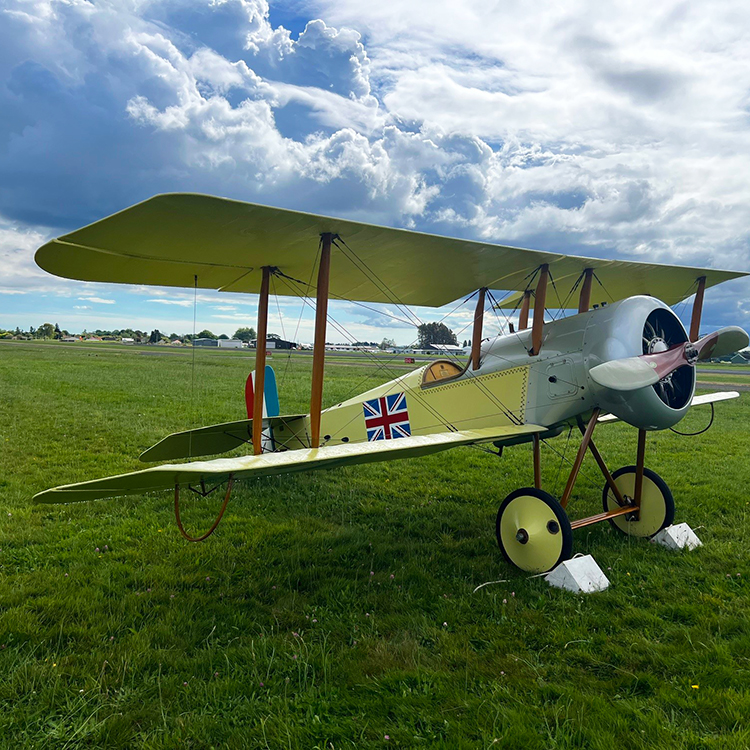
Fragile World War 1 aircraft like the Bristol Scout and the Fokker Triplane take to the skies first, when the winds are typically lighter, often followed by Tiger Moths.
“The second slot is usually the biggest part of the day – that’s where we do larger planes, helicopters, and maybe the Roaring Forties – and we always save something special for the last segment. The airfield attack, where the Harvards swoop in as bombers and the pyrotechnics come out, always proves popular!”
While spectators gasp in awe, those behind the scenes are firing on all cylinders to keep the show running smoothly.
“Our airshow director is responsible for safety, watching to ensure everything complies, and we have others looking after programming making sure the day is running to schedule, and filling gaps if an aircraft breaks down.”
Inclement weather can – and occasionally does – throw a curveball. As well as the huge amount of work involved, organising the airshow costs around $25,000, so forced cancellations sting. But on a good day, the event is gold.
This story is from the Autumn 2026 issue of AA Directions magazine.