
What happens when small towns are bypassed by new highways?
09 March 2026
Is the opening of new highways to divert traffic away from small towns a good or a bad thing?

You are driving along when suddenly an oncoming car drifts into your lane. You are about to have a head-on collision! What would you do?
The average driver would answer: 'Brake!’
Sure, braking will scrub off some speed so a head-on impact may be at 180km/h rather than 200km/h. But, if you use a crash avoidance technique, that crash may never occur.
Such techniques need to be pre-planned. Pre-planning is a vital safety factor in a life-threatening crisis, like the routine taught to children if their clothing catches on fire – Stop, Drop and Roll.
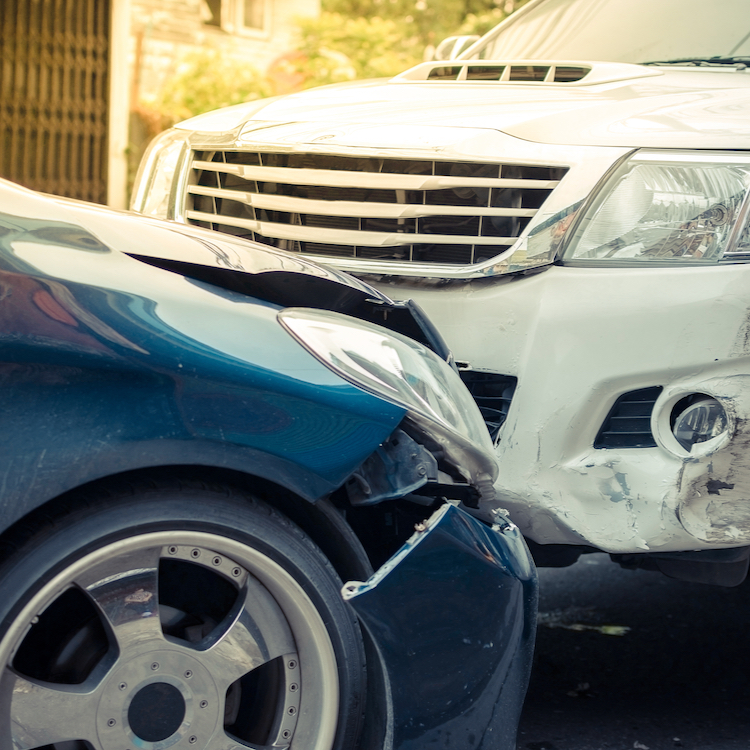
Pre-planning works. Winging it in a crash situation rarely does.
Head-on collisions mostly occur either because a car drifts into the wrong lane on a corner or an oncoming car on a straight moves into the other lane, sometimes because someone makes a poor passing decision. These latter crashes don’t usually involve last minute moves into the oncoming lane, but happen in the middle of the passing manoeuvre – when both drivers on collision course have had time to see each other and react.
The driver of the passing car doesn’t react because he or she is committed to passing and and doesn't have the mental control to abort the manoeuvre. The most mysterious thing at first glance is why the other driver doesn’t get out of the way.
The answer lies in a thing called ‘IQ Dump’. In a crisis, an unprepared brain doesn’t work too well. The enormity of the situation overwhelms it. Staring death in the grille, the brain can’t process all the information about the crash situation and order the body to take the best remedial action. Instead, the driver’s brain works on instinct and, usually, simply tells its owner to stomp on the brakes.

Instinctive reactions can kill you. For example, throughout your driving lifetime you train yourself to stay on the sealed road surface and, thus, staying on the sealed surface becomes an instinctive reaction. Yet, in a head-on crash situation, your best chances come with moving off the sealed surface, out of the way of the oncoming vehicle. If you are driving on instinct, your brain won’t tell your arms to steer the car off the road and, at worst, into the ditch.
To beat these dangerous instincts, you have to seriously think about what you should do in a crash situation. That way you will have options available to use – and hugely increase your chances of coming out unharmed or, at least, alive.
You now have pre-planned reactions for avoiding a head-on collision on a straight. Keep these in your brain and, heaven forbid, should the situation ever arise when you need them, they will be there for you to pluck out and use to survive.
In the last decade, Advanced Driver Assistance Systems (ADAS) have become standard in most new vehicles. These systems use a combination of sensors, radars and cameras to monitor the road ahead, identify potential hazards and alert the driver. In many cases, the system can also intervene when the driver fails to respond. ADAS features generally fall into either passive or active systems:
Passive systems, such as Forward Collision Warning (FCW), Lane Departure Warning (LDW), and Driver Monitoring Systems (DMS), notify the driver of potential hazards and collisions through dashboard warnings, audible tones or vibrations through the steering wheel. These systems increase awareness but cannot take corrective action on their own.
Active systems take things a step further and include Lane Keep Assist (LKA) and Automatic Emergency Braking (AEB) that not only warn the driver but can also respond automatically to reduce or avoid a collision. They can steer the vehicle back into its lane or apply the brakes more quickly than a human reaction can, helping to prevent or lessen the severity of a front‑on collision.
This story was originally from the Spring 2023 issue of AA Directions magazine and has been updated in 2026.