Pets and peril: what to do with furry friends in an emergency
07 April 2026
What would you do with your pets in the event of an emergency? We share advice on being prepared if crisis strikes.
Planning a holiday with your dog in New Zealand requires more than finding pet-friendly accommodation. Find essential dog travel tips, including choosing dog-friendly destinations, understanding beach and walking track rules and keeping pets safe in vehicles. We also explain the requirements for travelling with dogs on Cook Strait ferries, domestic flights and road trips. Advice on hydration, heat safety, restraint systems and protecting wildlife helps pet owners prepare for safe, responsible travel with dogs.
Around a third of New Zealanders own at least one dog. How many get to go on holiday with their humans is anyone’s guess but, anecdotally, it’s increasing. But while Fido wants to join you – and of course he does – there’s a lot to consider when opting to take pets on the road.
From motels and rented baches to holiday parks and campsites, a growing number of accommodation providers will let dogs stay, but be aware there may be limits to the number of dogs allowed at any one time, so book in advance. Times that dogs are welcome also vary. Don’t assume that because you took your dog camping somewhere in early summer that they’ll be welcome at the same spot during peak season.
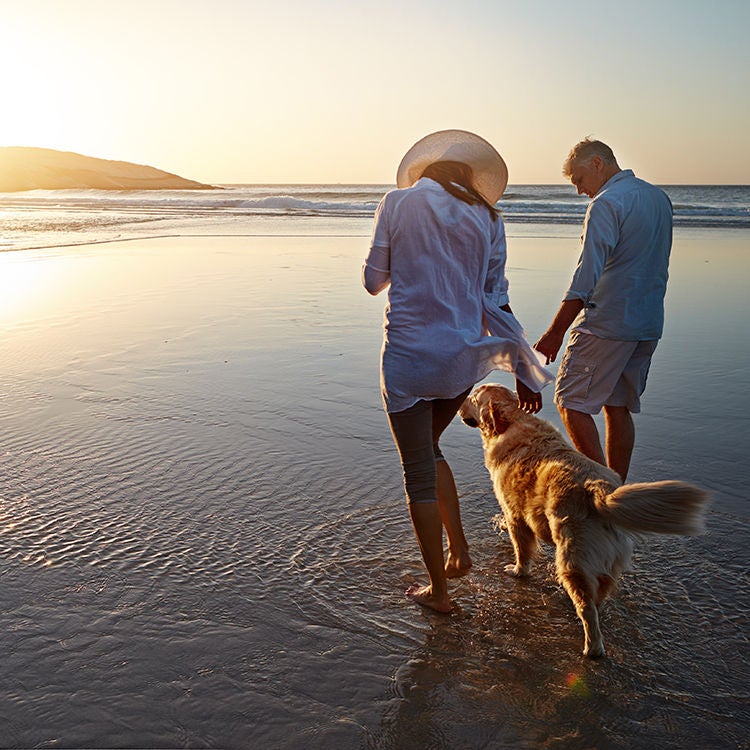
Also be aware that the beaches and walking tracks may have rules about when your dog can be there, if they're allowed at all. Summer hours on dog-friendly beaches are usually early in the morning and late in the afternoon. Walkies when it’s cooler are a good idea – but you’ll be sharing the sand with every other dog in the ‘hood so only join the promenade if your pooch is well-behaved.
Remember, too, that shorelines are home to vulnerable wildlife. Nesting birds might be protected from human interference with a fence and signage but not from loose dogs. A seemingly harmless sniff around a nest will cause upset and damage, so keep them on a leash.
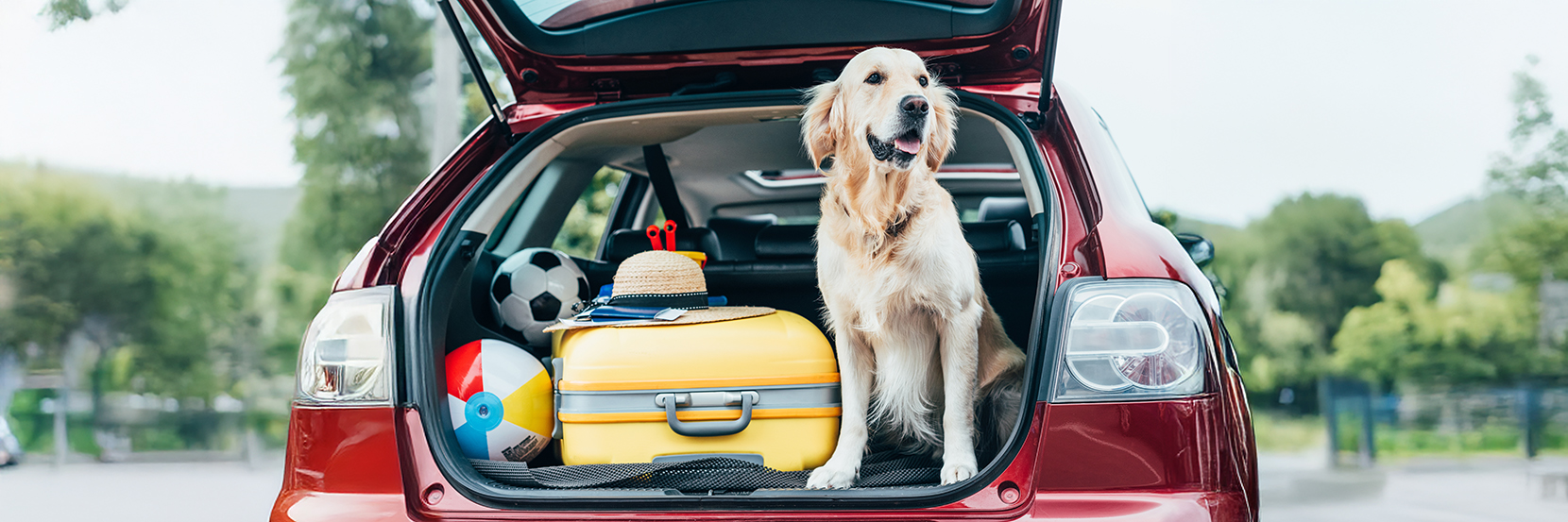
How well does your dog travel? Some love the car, some do not. Either way, their presence in the car will impact your itinerary.
Plan rest stops at least every two hours for water and toilet breaks. Research dog-friendly parks and walking tracks along your route. Alternatively, take a detour for an on-leash smell-rich walk on a rural stretch of road.
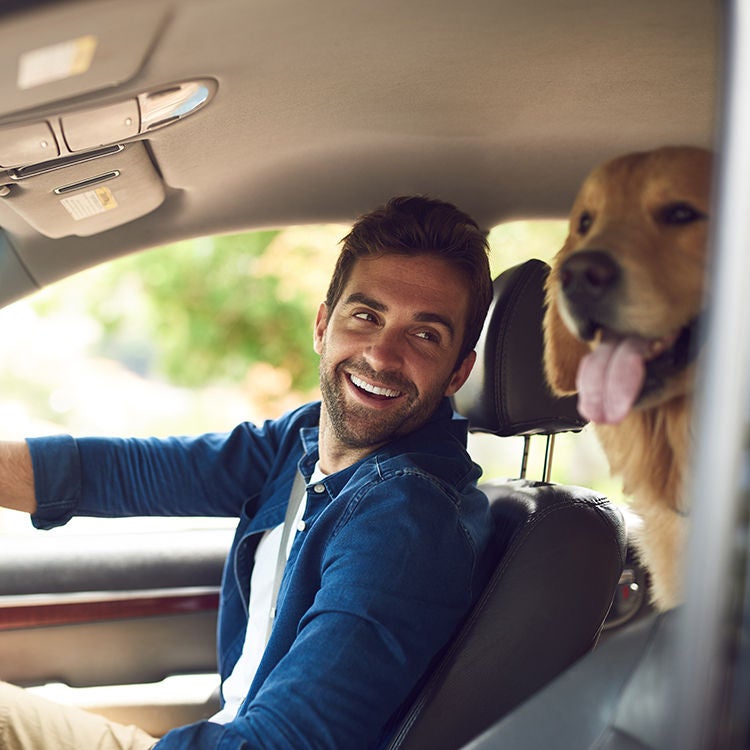
Humans also need their breaks. It’s not an option to leave the dog in the car while you go off for a meal. Ever. Temperatures can quickly reach fatal levels, especially in summer. Fortunately, dog-friendly cafes are a thing. Or pack a picnic! Thermos, sandwiches, water, dog biscuits.
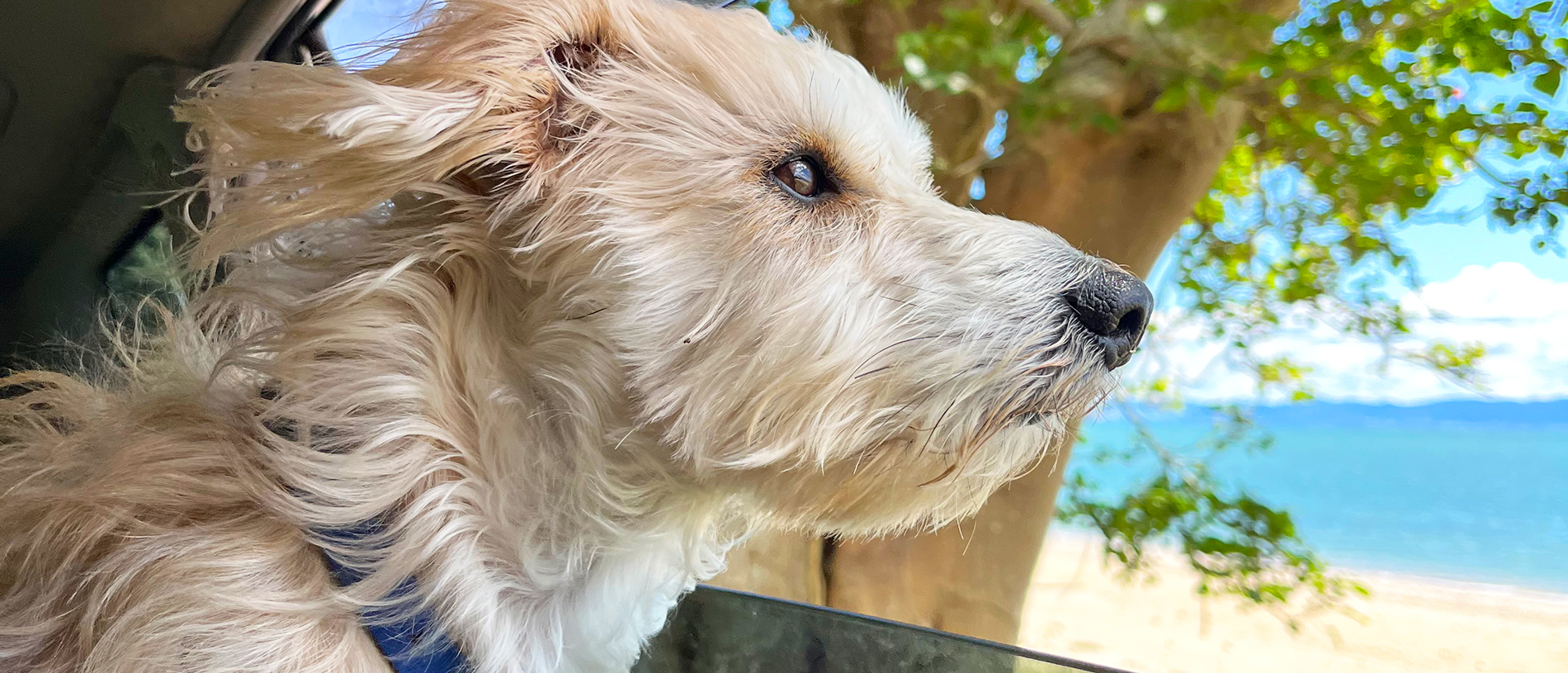
Your dog might not like it, but once back in the car, they should be restrained. Use a harness connected to a seatbelt receiver or pop them in a secure crate in the back seat or boot. Never let a dog lean out of open windows.
Crossing the Strait? Dogs can go on ferry crossings between the North and South Islands, either in your vehicle or in one of the bookable kennels (first in, first served.) Give them a good run beforehand and don’t feed them large meals to help prevent seasickness. Although passengers cannot access vehicle decks for most of the crossing, crew members will check on animals’ safety regularly, and a visit at a designated time is permitted during the sailing depending on sea conditions. Arrive early at the terminal and keep your dog leashed whenever outside the vehicle.
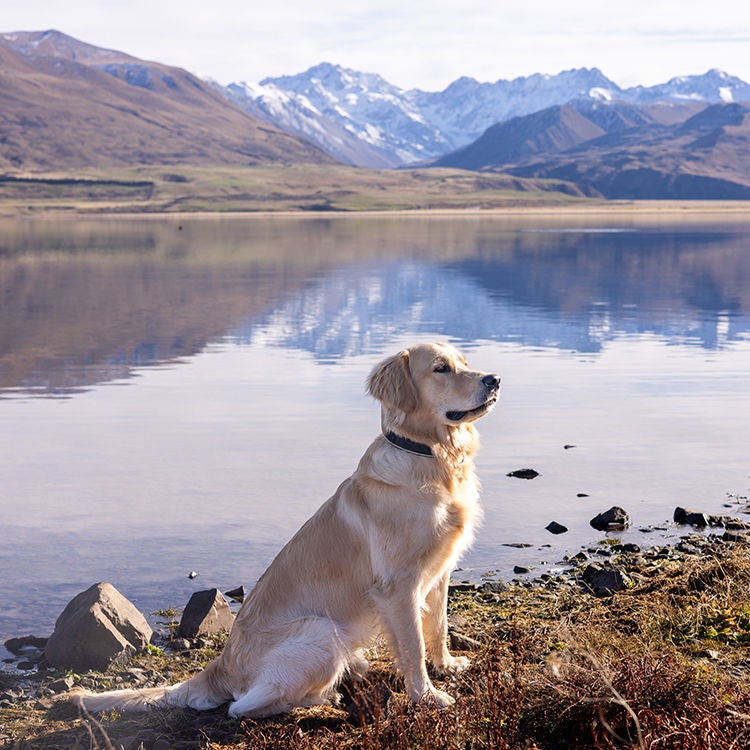
Dogs under 50kg can travel on domestic flights as checked baggage in a pressurised, climate-controlled hold using an airline-approved carrier. It must be well-ventilated, secure and large enough for the pet to stand, sit, turn around and lie down comfortably. A soft blanket or familiar toy is allowed. After booking your domestic flight, submit a pet travel request form with details. Arrive at least one hour before departure, as pets may undergo security screening depending on the airport. Pets wait in a designated area prior to loading and are boarded last to minimise tarmac exposure. When landed, staff will deliver your pet directly to baggage collection. If your dog is a flat-faced breed, elderly, anxious, or very young, consult your vet before planning air travel.
We’re in for a hot summer so if your dog is holidaying with you, consider how that will impact their comfort. Dogs don’t sweat, so their temperature moderation is mostly managed by panting.
Have a couple of cooling mats available, one for the car and one for their spot in the tent, caravan, bach or motel unit. If you’re set up to do so, freeze pulped pumpkin and yogurt in ice cube trays for instant frozen treats. These are best served on a shady lawn, as it can be a messy business.