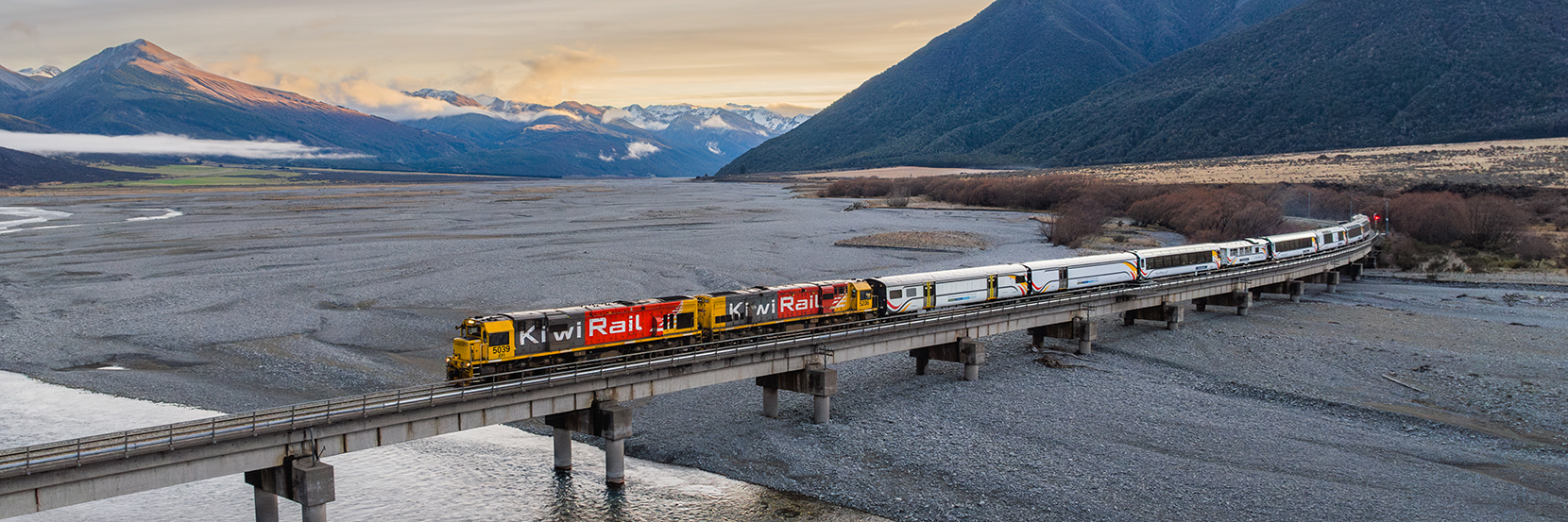
A TranzAlpine train journey: luxury in Scenic Plus
31 August 2026
Cross the South Island on the TranzAlpine, one of the most beautiful train journeys in the world.
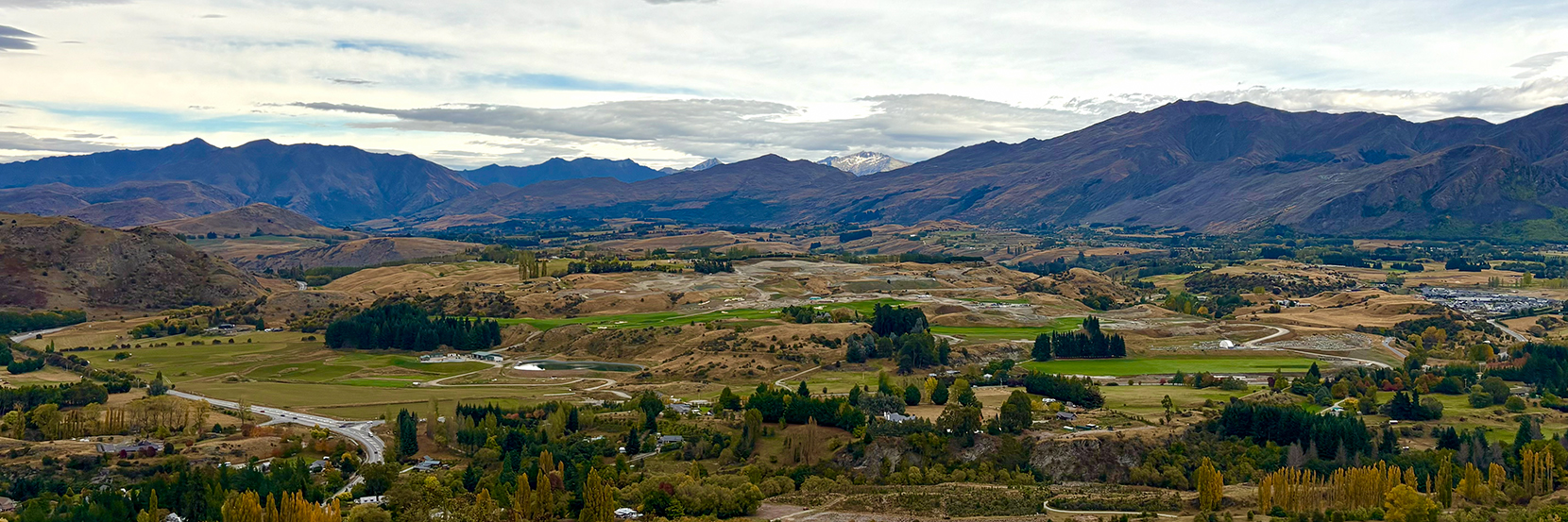
Take a 526km road trip from Queenstown to Greymouth to experience the scenic highlights of the South Island.
I drive out of Queenstown on an anodyne autumn day in a Ford Everest, hired from Thrifty that’s still soapy from my early morning collection. Above the road an enormous hot air balloon in rainbow hues provides a welcome pop of colour; I glimpse puffs of orange flame from its burner.
The hills around Arrowtown are similarly ablaze at this time of year and the town’s main street is like walking through a movie set with its curated quaintness. Bougie smells of warm sugar and home fragrances waft from shops. I tuck my hands in my jacket pockets against the chill.
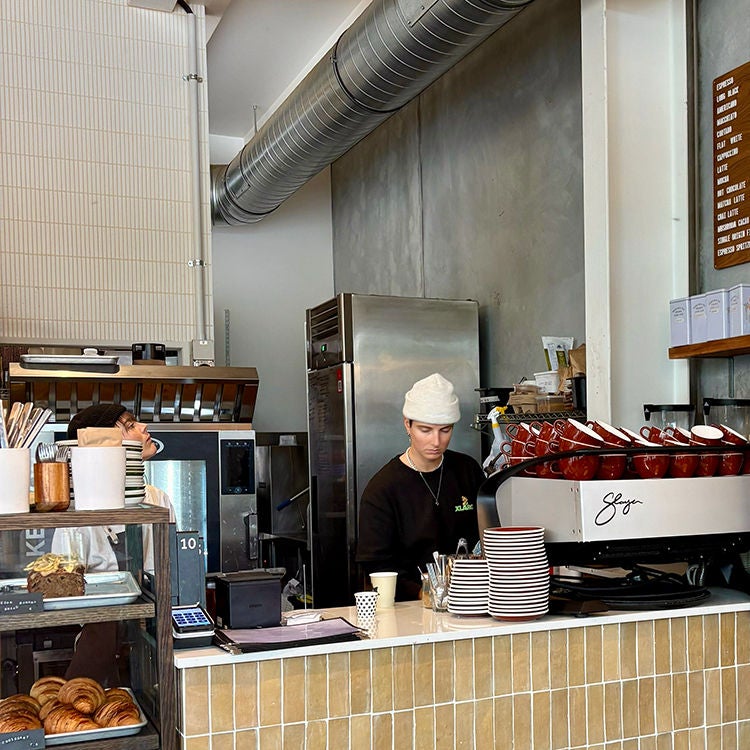
Breakfast is at Provisions of Arrowtown, a café in one of the town’s many cute cottages. The menu belies its colonial setting with flavours from around the world. The chilli scrambled eggs come with whipped feta, za’atar and harissa hummus.
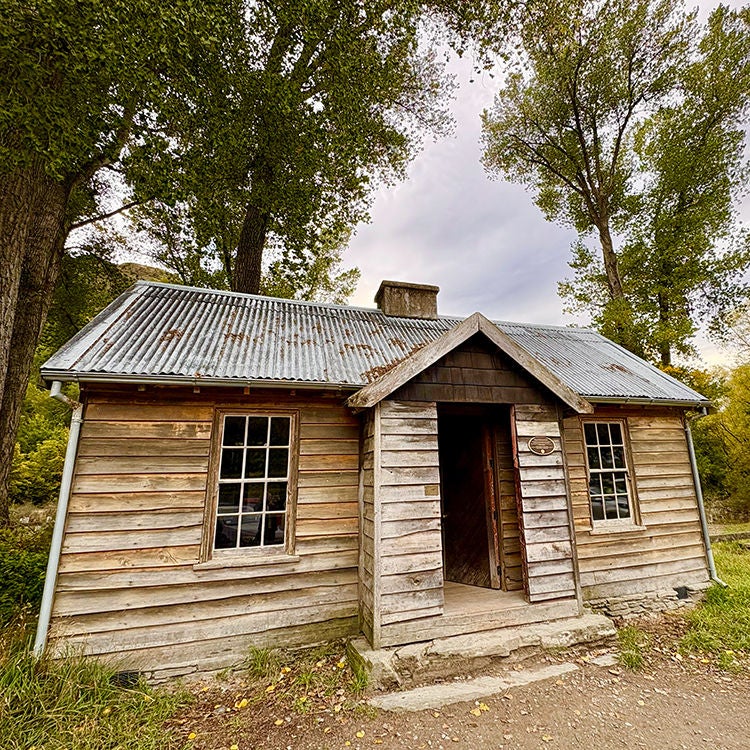
At the other end of Buckingham Street, I visit Arrowtown’s oldest Instagram-famous Police hut, built in 1863 and the historic Chinese settlement, where early goldminers battled to make their fortune.
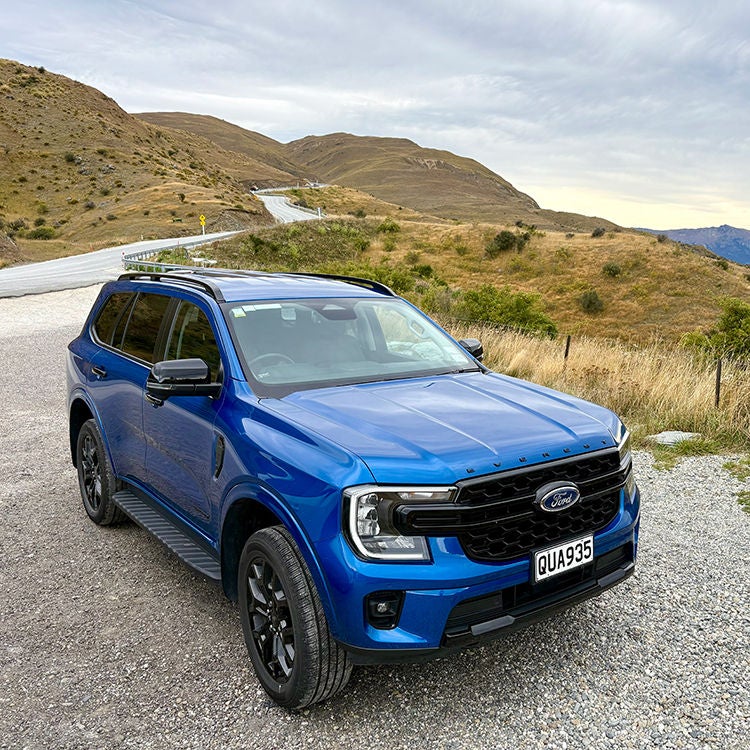
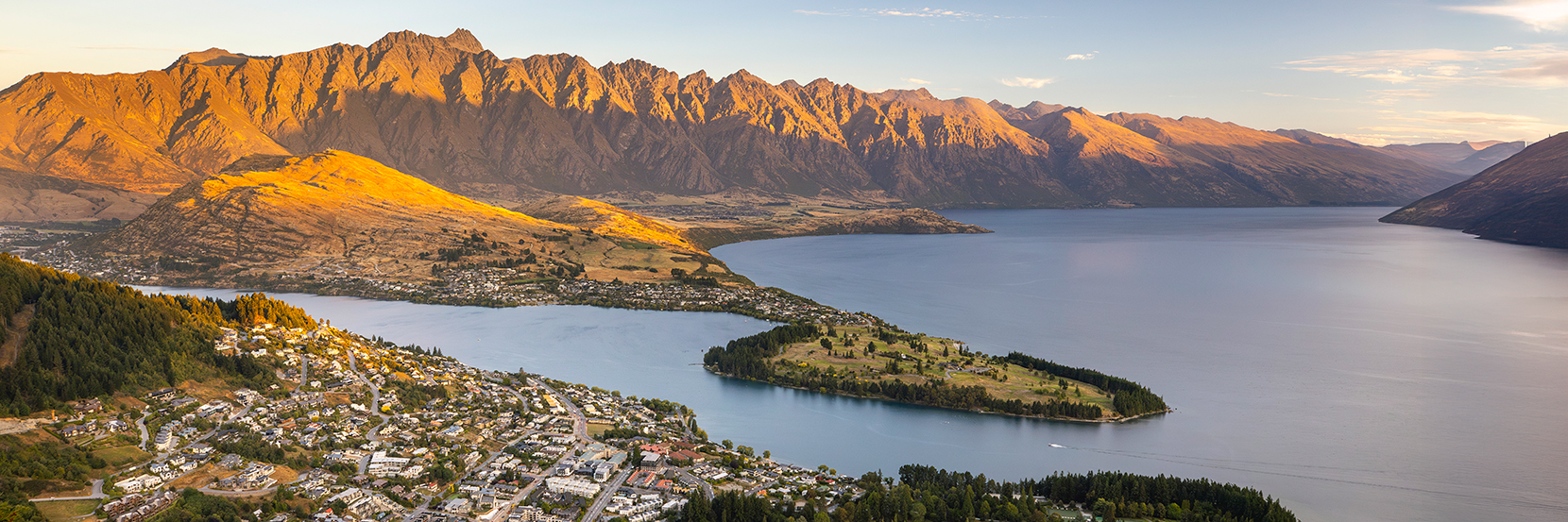
The Everest grumbles up the coiled switchbacks of the Crown Range. I pull over to admire the huge views over the Wakatipu Basin, standing on a schist ridgeline with the swoosh of traffic through Gibbston Valley to my left, planes ascending in diagonal streaks to my right. From a distance the engine noises sound like ocean waves.
Here there’s almost a palpable tension between wild and cultivated land. Netted vineyards sit at the foot of steep, treeless mountains; baled paddocks abut rocky gorges. There’s not a breath of wind. Everything is muted, cool, autumnal.
In the high-traffic viewing area international tourists throw peace signs for selfies and pose in shop-fresh outdoor wear.
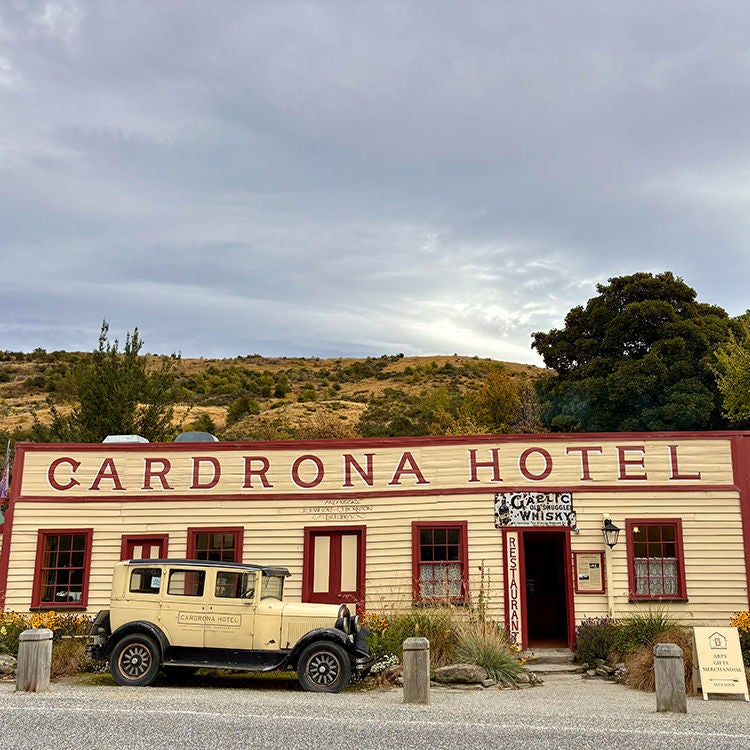
Further up the road, outside the Cardrona Hotel (purported to be New Zealand’s most photographed building), I do an impromptu photo shoot for a young woman visiting from India.
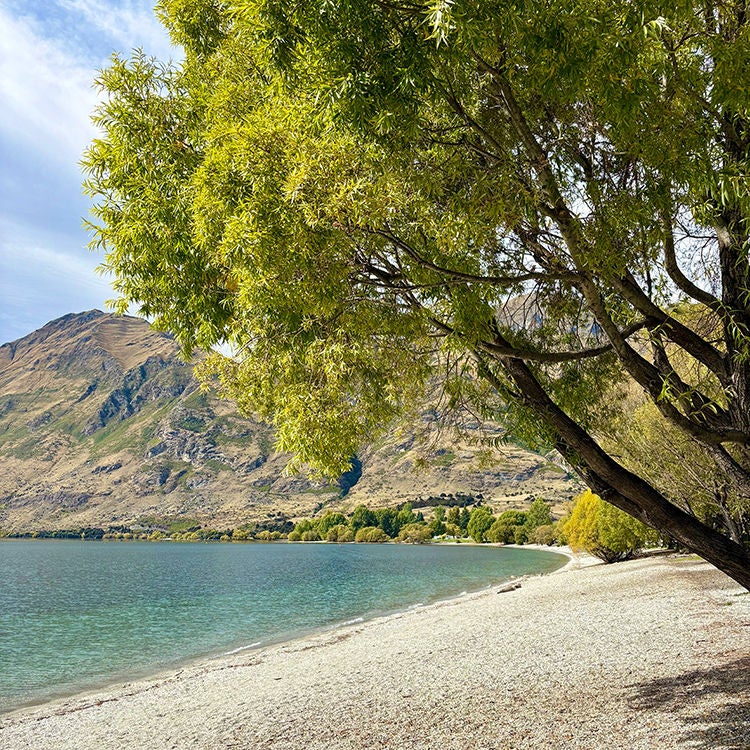
Wānaka is also bustling, the lakefront strewn with families, dogs, cyclists and view-admirers, so I detour out of town to find a spot of serenity. At Glendhu Bay the stony beach shimmers with quartz and is framed by golden trees. A teenage boy and his father brave the water, inching their way in laughing with increasing hysteria at the cold.
I discover that some of the most interesting bits of Wānaka are tucked away down little alleys. I find a hearty selection of salads from Fedeli in a convivial precinct next to Federal Diner and Fudog. Across the road, Crumb Bakehouse is neighboured by sleek boutiques selling clothing, cowhides and jewellery.
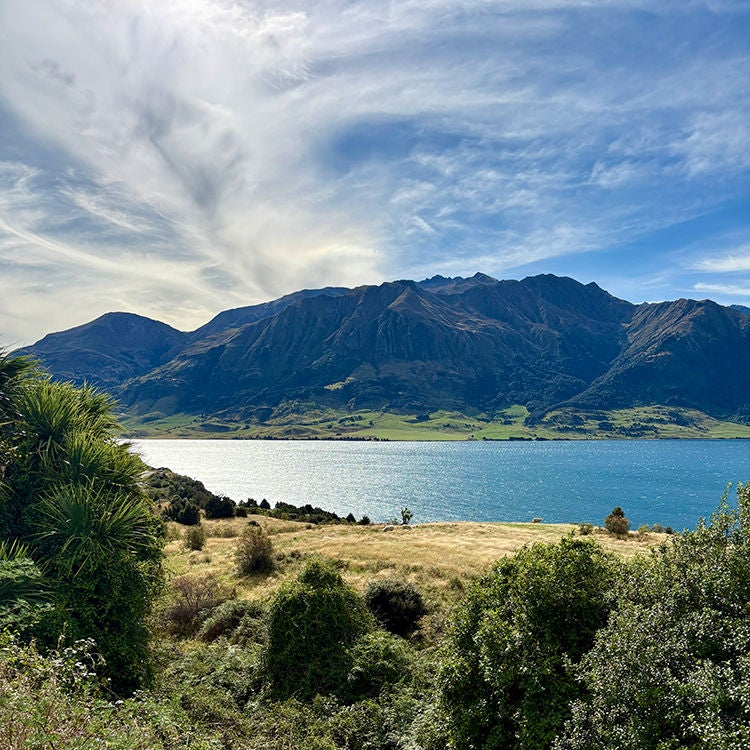
I take a flat white with me to skirt along the shores of Lake Hāwea, leaves scattering across the road like golden confetti. Towards the royal blue expanse of the lake, big red stags graze in tawny paddocks.
At Makarora a switch flips: the landscape is immediately different, morphing from craggy umber ranges to tall beech forest.
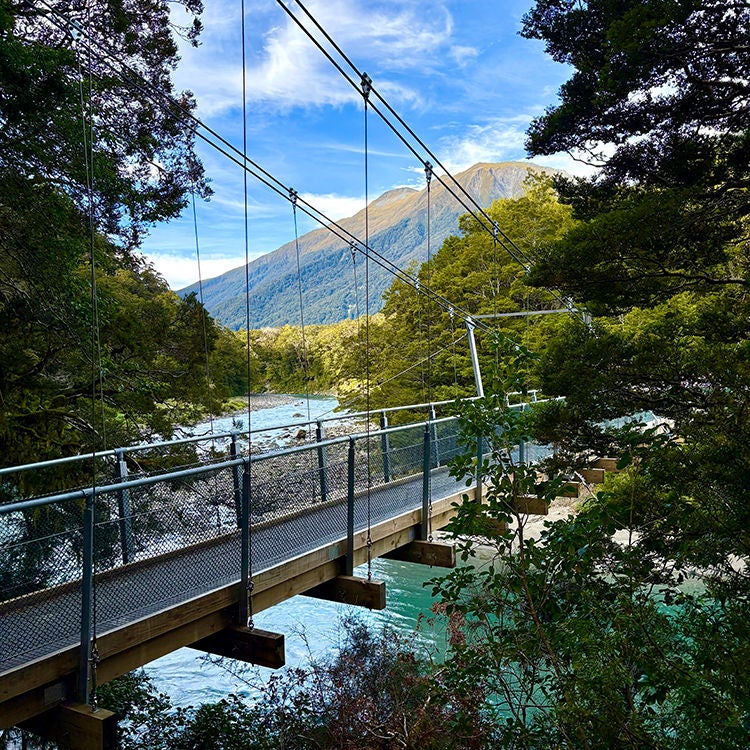
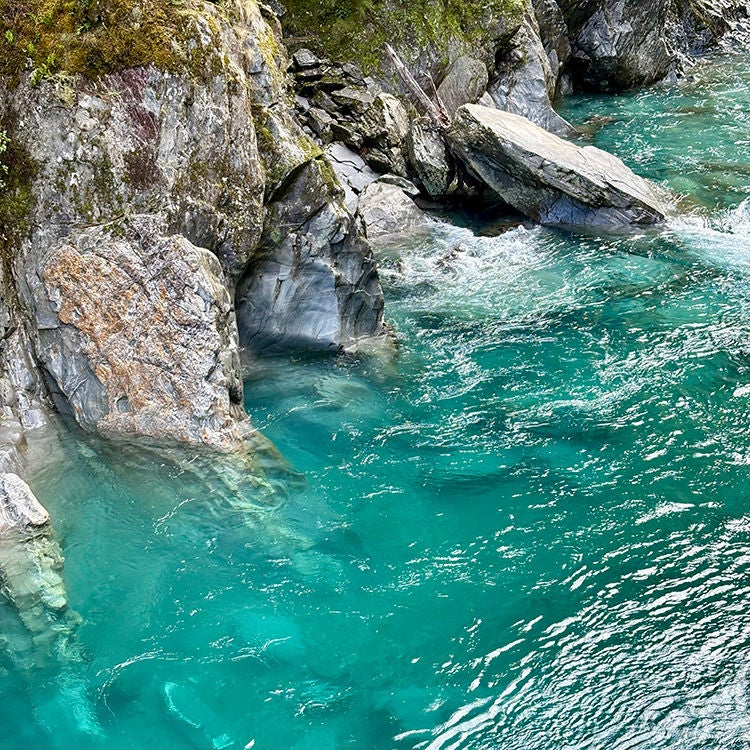
Sometimes scenic attractions don’t live up to their name. But the Blue Pools are exactly what it says on the tin. The water is a shade so vibrant it looks synthetic, but this is a pocket of pure nature at its best. It’s another easily accessible spot reached by a short bush walk, the riverbanks and bridges are brimming with people from around the world snapping photos or, if they’re courageous/foolhardy/young enough, stripping down to brave the frigid flow.
I time my stop at Thunder Creek falls to catch the spot alone for a brief moment: just me, the tumbling frothy flow and the sandflies. I pull my sleeves over my hands and breathe in, breathe out, absorbing the bright blue burble of the river, the dense bush, the aptly named roaring falls.
Haast Pass is serpentine and steep. Just as I’m contemplating the perpetual downhill stretch and my heavy use of the Everest’s brakes, I pass signs for ‘runaway vehicle ramps.’ Evidently loss of control is a thing here.
The incline decreases as I approach the West Coast proper, catching glimpses of the wide gravel beds of the Haast River through beech trees, heading towards a golden sunset.
At Frontier Café and Bar, the classic pub at Haast’s Heartland hotel, I tuck into fish and chips and pick out fellow diners who I’d passed at scenic walking tracks earlier in the day. We exchange smiles with a sense of camaraderie.
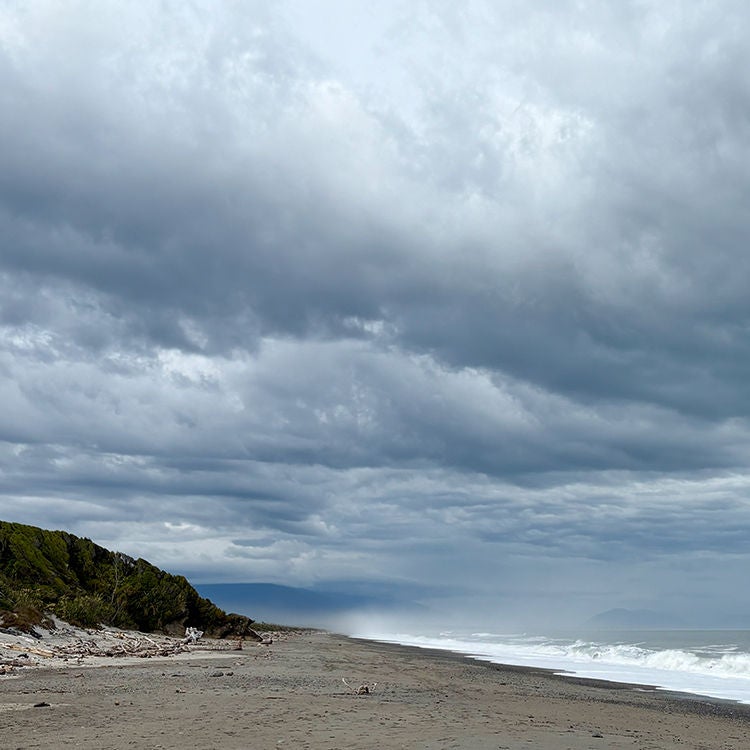
The next morning at Ship Creek I follow the snaking boardwalk to the beach. Ominous charcoal clouds are gathering further south, and a haze of sea mist rises to meet them. There is no wind, but the ocean still rumbles with latent power.
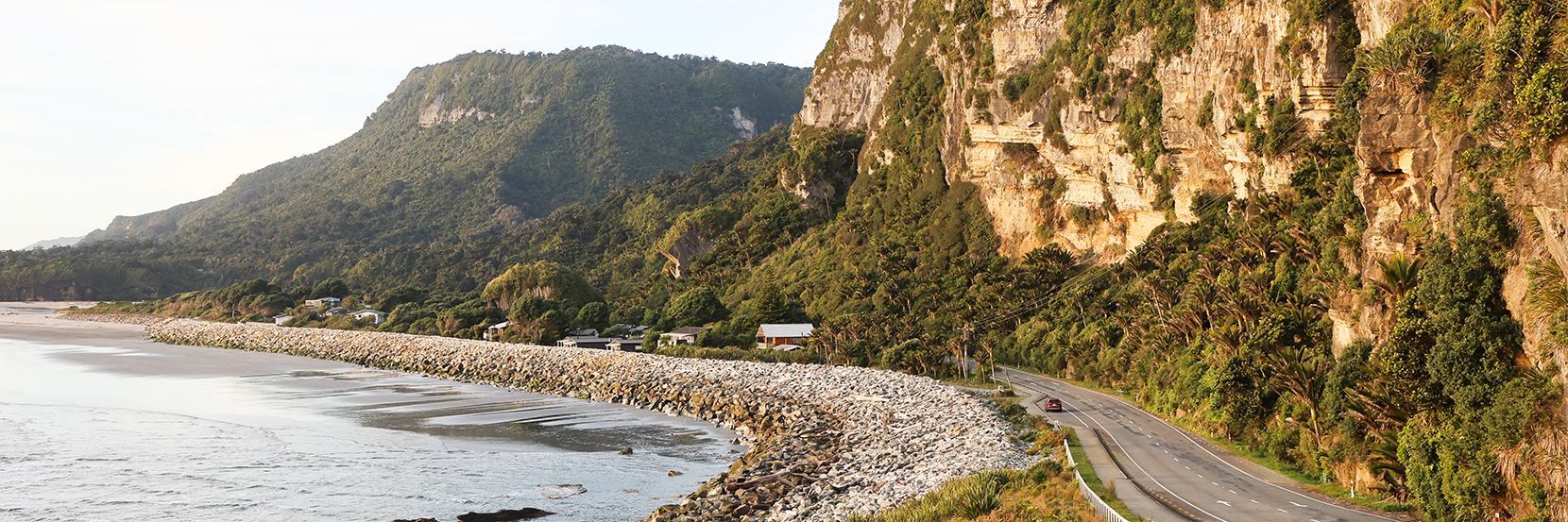
Driving north, the sea is a lightly crumpled piece of aluminium foil through my passenger window, and the road a long ribbon of civilisation running through ancient podocarp forest. Nearby, the kahikatea and rīmu are warm earthy green; in the distance the bush wears a navy filter.
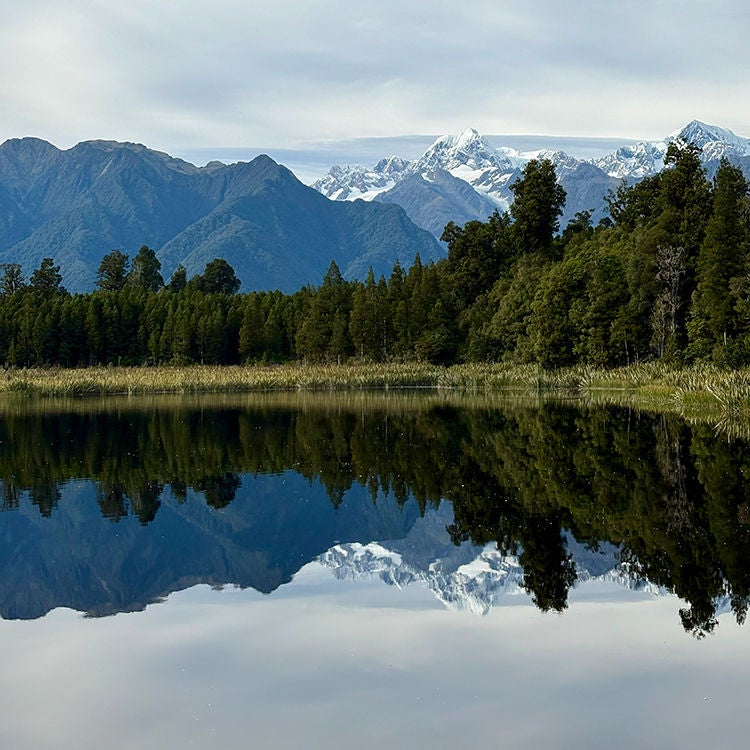
The walking track around Lake Matheson is dense with tree ferns, tourists and the stuttering flutter of tūī. Fantails flit by with their cartoon squeaks and a huge mob of Canadian geese bobs on the lake adding texture to the between-world zone of reflection. Because you could look at this view while standing on your head and see the same image: Lake Matheson is known to provide some of the most picture-perfect reflections in New Zealand due to the dark tannins in the water. The snowy peaks of Te Horokōau Mount Tasman and Aoraki Mount Cook are doubled against both the sky and the water.
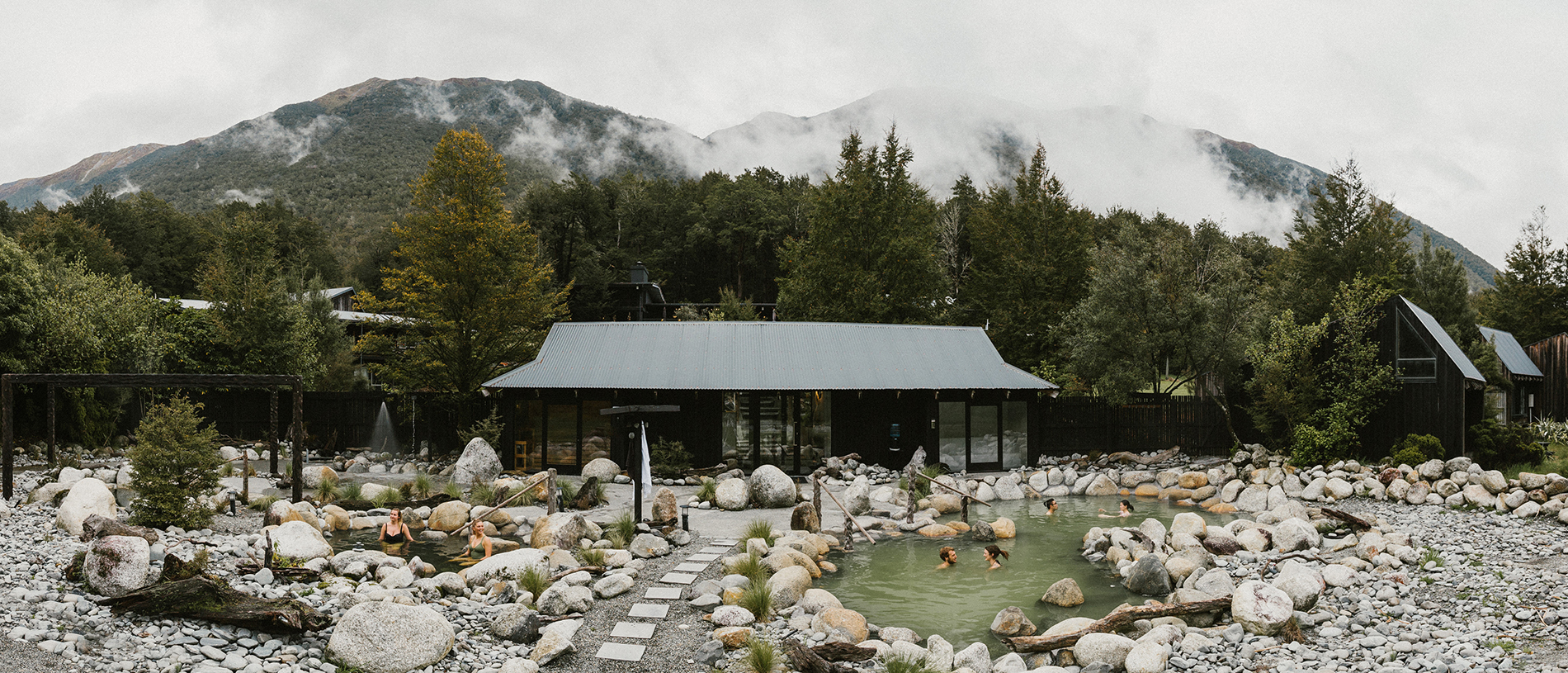
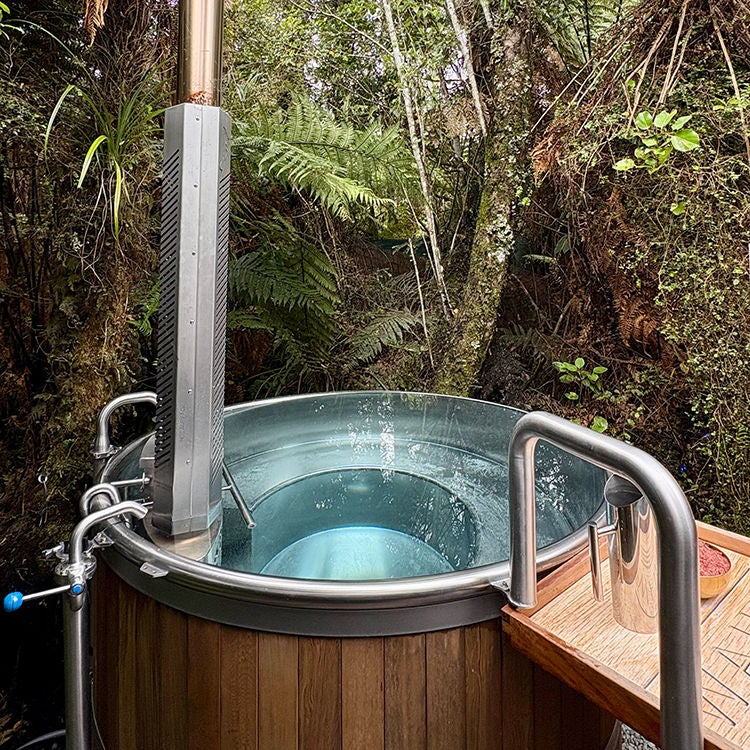
At Franz Josef I get into hot water. Waiho Hot Tubs on the outskirts of the alpine village are a quintet of cedar-clad, stainless-steel tubs set in native bush. Heated by a submerged firebox, they’re a toasty 40°C when filled, though I add a generous splash of cold water to avoid being parboiled. The hour-long session flies and I emerge humid and literally smelling like roses from the bowl of scented Epsom salts I dumped in the tub.
Over the next 134 kilometres the road transitions from seemingly perpetual straights to corkscrew corners through thick forest, popping out to cross stony riverbeds and swatches of emerald farmland.
I know I’m close to Hokitika when the view out my windscreen switches to soft focus from sea spray.
The town is quiet and mostly closed on a late Sunday afternoon, but the beachfront is bustling and I spot fellow travellers from the Blue Pools and the hotel at Haast, all of us evidently ticking off the must-do spots.
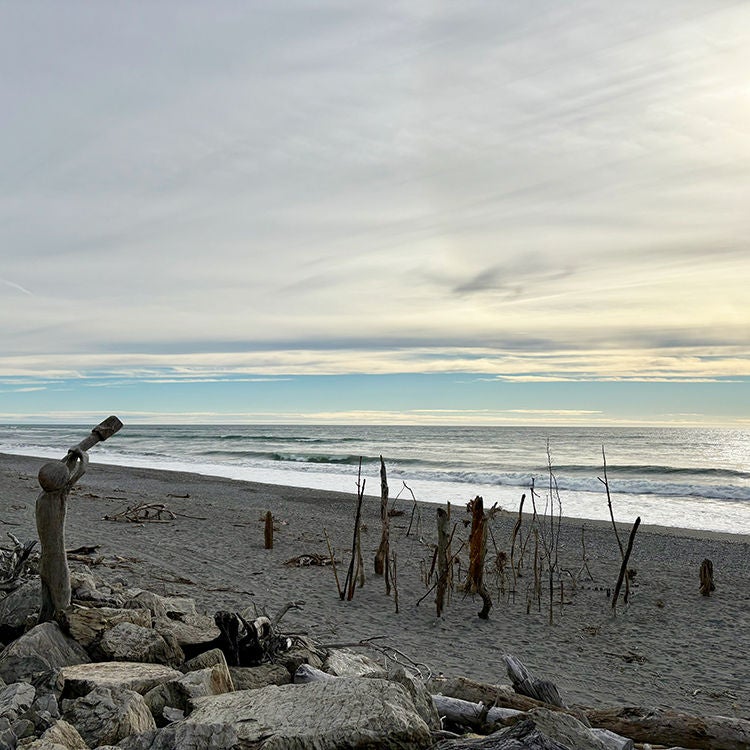
Driftwood is a craft in Hokitika. It’s not just the famous beach sign but a multitude of sculptures and structures rising jagged and haphazard from the sand. I pick out a kōtuku, a moa, a silhouette of a person forged from charcoal, kites, stickmen, hearts and houses in pale sun-bleached wood – remnants of the Driftwood and Sand Festival held each summer to celebrate this ephemeral and organic art form.
My journey ends in Greymouth where I stroll the banks of the Māwheranui Grey River on another still morning. I read about the history of hard people forging a harder living from this unforgiving land – from pounamu to gold to coal. Today the town’s wares are refocused on pounamu as pendants and earrings in gift shops and tactile public sculptures on the footpaths.
From soaring auburn alpine terrain to serene and spectacular freshwater scenery and the wild, weather-carved landscapes of the West Coast, this 526km journey really is a sampler of the best bits of the South Island.
This story is from the Winter 2026 issue of AA Directions magazine.