Aussie road trip: Melbourne to Sydney
03 March 2026
An epic 1,100km drive from Melbourne to Sydney takes in rural Australia, coastal scenery and vibrant cities.
We take a road trip from Perth to explore Western Australia’s Margaret River region.
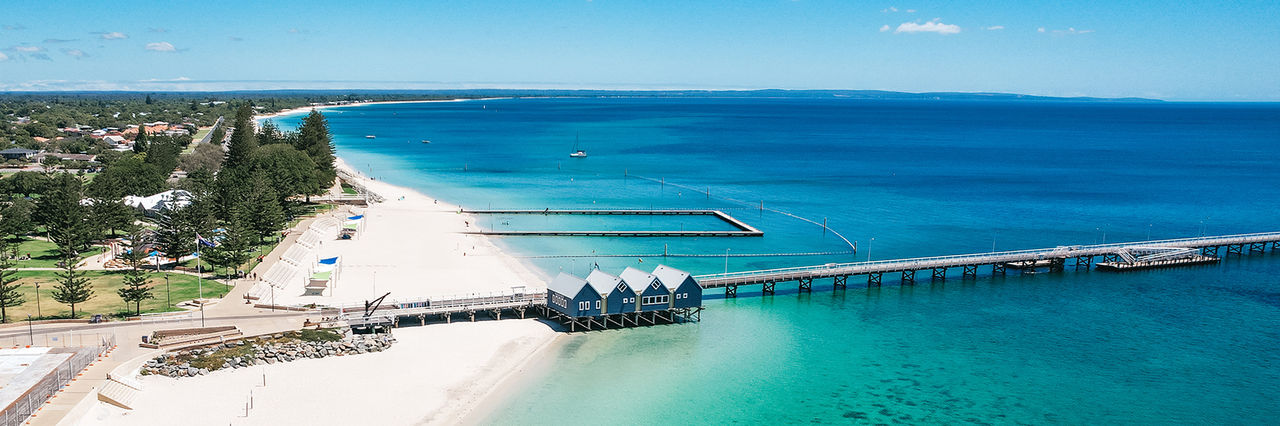
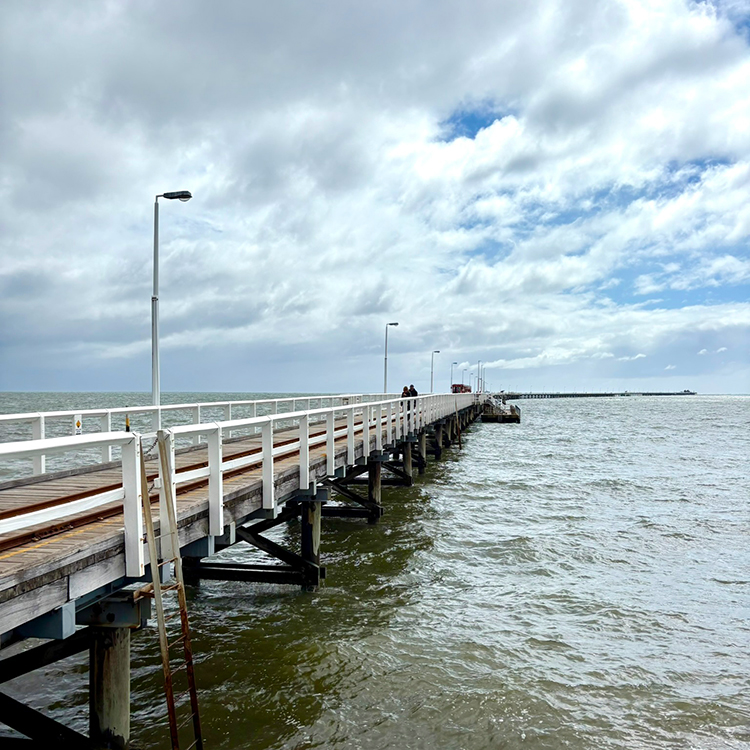
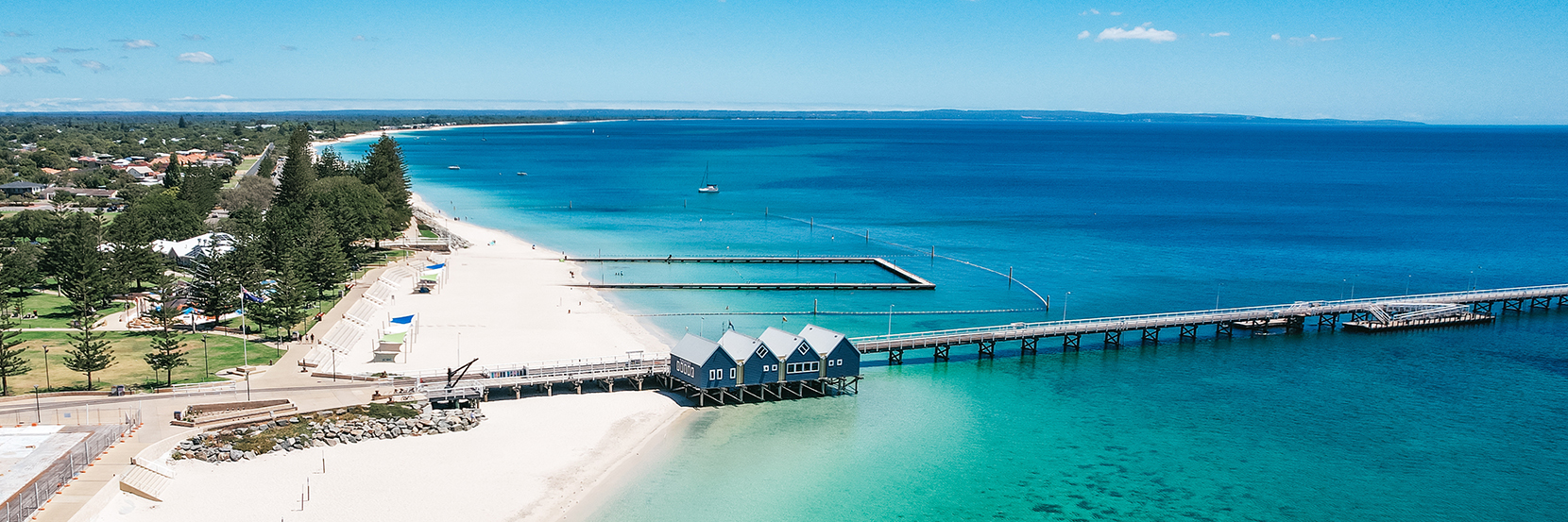
The Busselton Jetty extends into Geographe Bay like a beckoning finger. The longest wooden jetty in the Southern Hemisphere pushes another 1.8km further west from Australia’s furthest coast. I’m conscious of being a long way from New Zealand.
But the 5,346km journey to get here was made way more comfortable with an Air New Zealand Sky Couch. I ignored the side-eye from envious seatmates and snuggled into my lie-flat nook, arriving in Perth feeling refreshed and rearing to go.
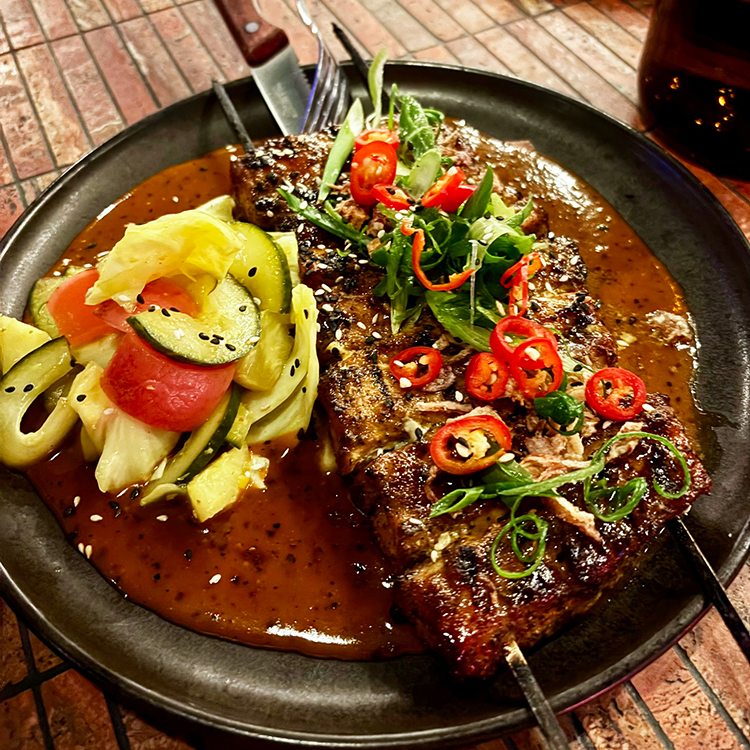
The city is sparkling and balmy on a warm spring evening. I begin by wandering between beautiful sandstone heritage buildings to Karla, a restaurant showcasing indigenous culture and cuisine. Karla means ‘fire’ in local dialect. The crocodile is delicious. Skewered slices of dense white meat, with a flavour between game fish and chicken, is cooked, like most things here, over open flame.
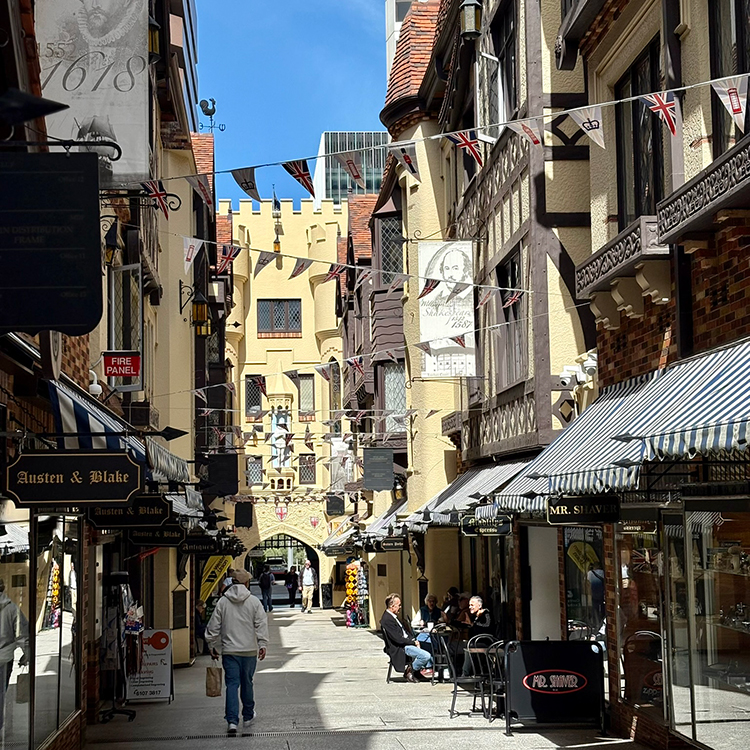
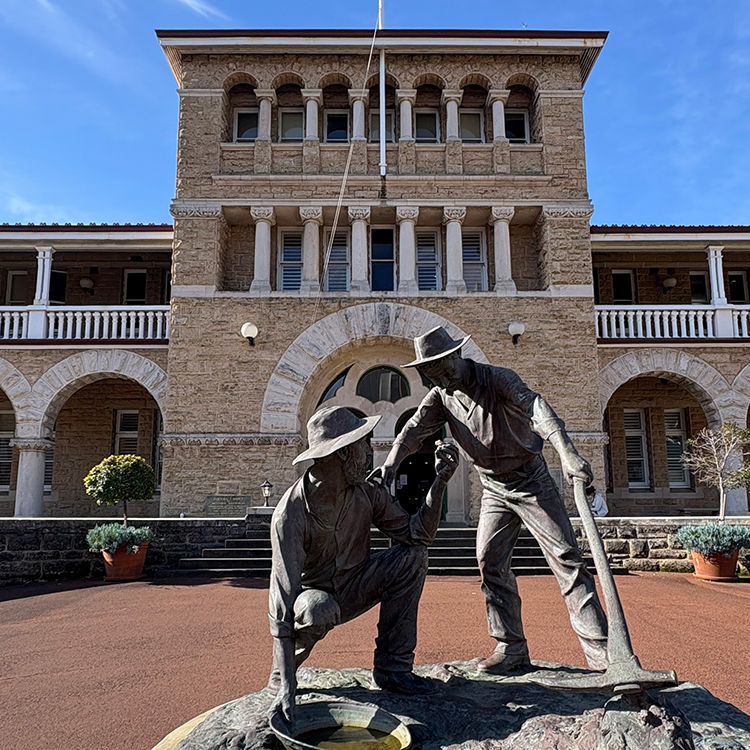
The next day in Perth begins with a deep dive into the city’s history on a walking tour. Daniel from Two Feet and a Heartbeat is a part-time guide and full-time university lecturer. We begin our chronological stroll from the first court building, Perth’s oldest, built in 1829, as Daniel explains how the city was founded by free settlers rather than convicts. Then, and now, Perth is considered the most isolated city in the world. This isolation also earned it the name ‘the city of light’, after US astronaut John Glenn was able to pick out its glow when orbiting the earth in 1962.
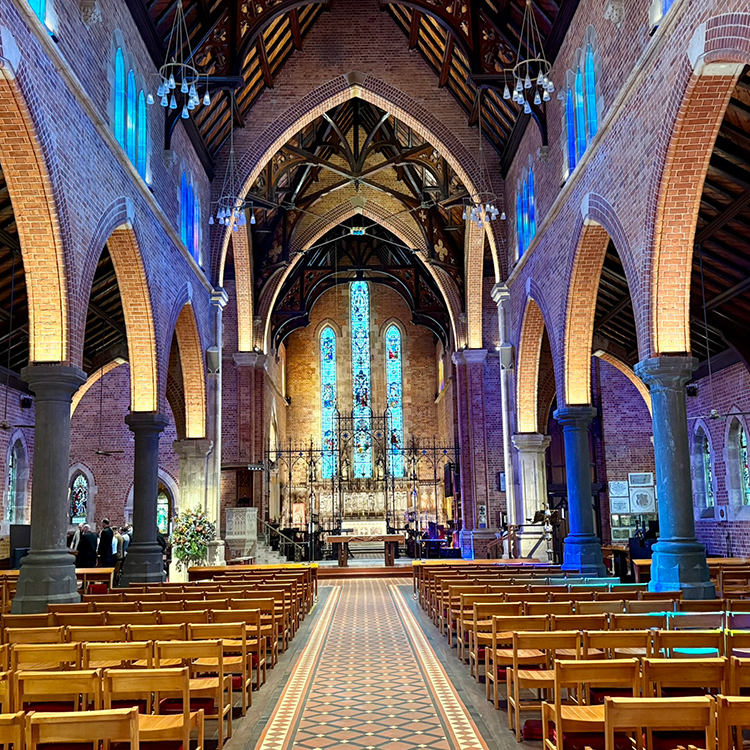
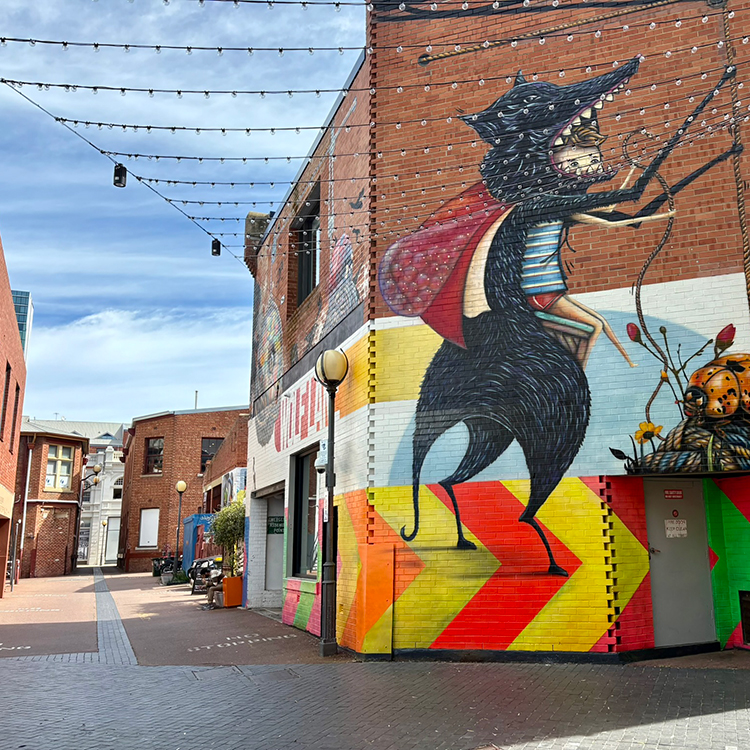
From the hushed and historic interior of St Georges Cathedral to colourful, contemporary street art of Wolf Lane, the tour provides so much geographical and historical context I feel like a freshly minted expert.
To further dig into the state’s history – and for some actual minting – I take a tour of Perth Mint, the original site of all Western Australia’s gold processing. While it no longer produces actual currency, Perth Mint is still a purveyor of precious metals, and in significant volumes: rotating on a plinth in the centre of a dim room I marvel at the largest gold coin ever made. Weighing a tonne, with a value of $1.8 million, it’s an astonishing lump of metal.
Leaving the city the following day, Australia’s vastness seeps in, filling my windscreen and peripheral vision with flat, eucalypt-dotted farmland on the drive to Busselton.
Here, I board a charming miniature train alongside frothing toddlers to trundle the 1.8km length of the famous wooden jetty.
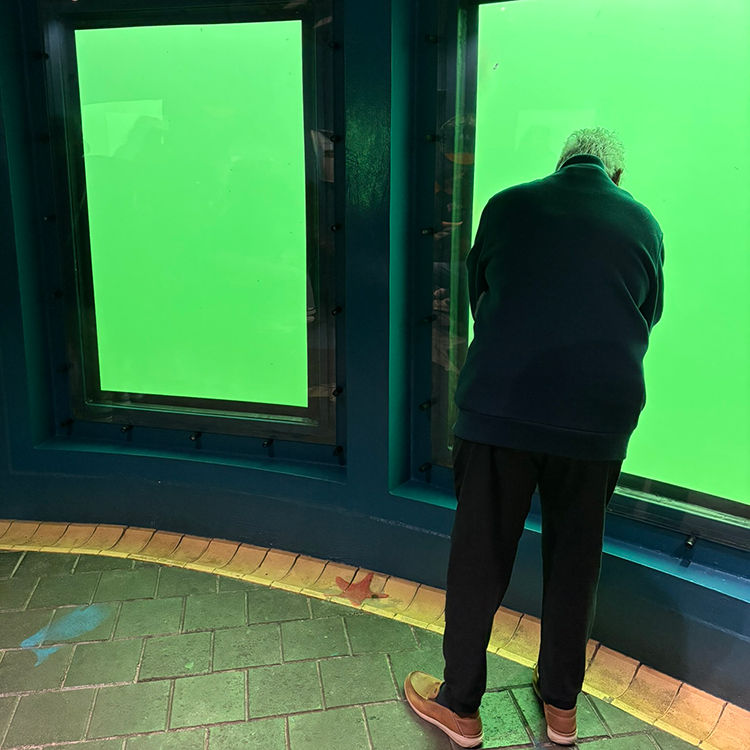
Geographe Bay was named after one of the early colonial ships to visit this part of Western Australia. The bay is extremely shallow which is why the jetty needed to be so long to accommodate ships exporting wood. Originally built in 1865, the Busselton Jetty has faced cycles of disuse, damage and restoration over the years, but today it’s one of the region’s most famous attractions and includes a unique underwater observatory.
Between Busselton and Cape Naturaliste, the road winds through rural red earth, vibrant spring green and sun dappled eucalyptus. Through the branches I catch glimpses of the charcoal swathe of the Indian Ocean.
Here, on a rugged pointy bit of coastline I stand at the foot of Cape Naturaliste lighthouse – the last mainland lighthouse in Australia to be automated, and home to real-life lighthouse keepers until 1996. I’m force-fed oxygen with a side of sweeping ocean views, returning to the car buffeted and tangled.
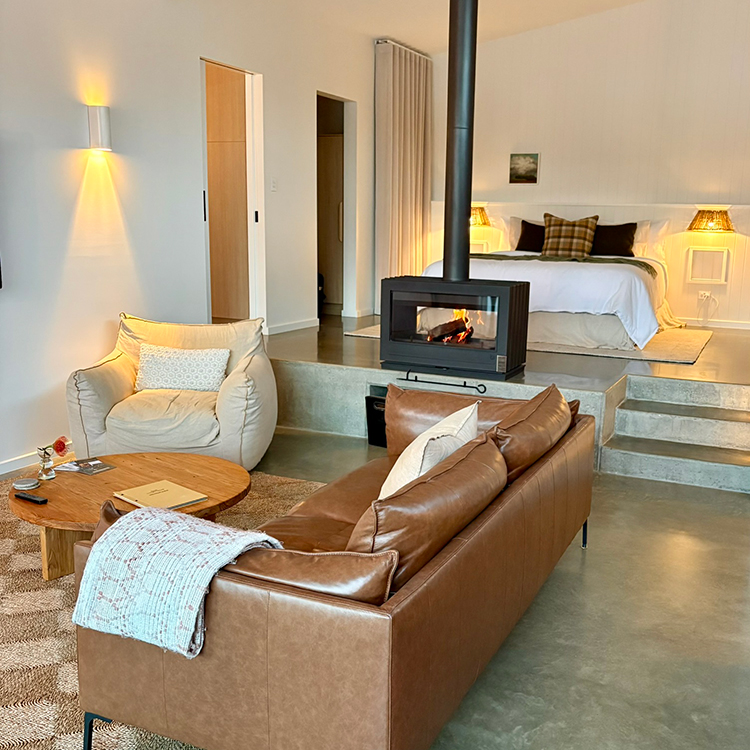
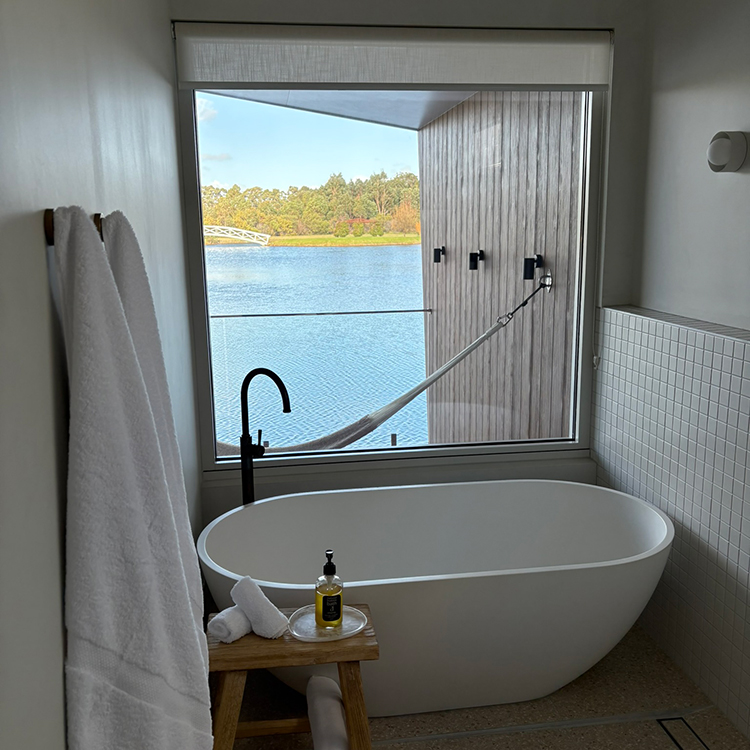
My accommodation for the night is at Edge Luxury Villas, a self-contained pocket of pure indulgence. I settle in with a grazing platter and glass of wine overlooking the mirror-like lake after an obligatory bubble bath, pinching myself because it’s all so lovely.
The next morning, I discover just how close I am to the coast. I turn down a road lined with low scrub and say ‘wow’ because right there is the wild windswept ocean, frilly with white surf. It would be spectacular here on a still day – pristine powder-fine sandy beaches and, apparently, temperate ocean to swim in. But latitudinally, the Margaret River region sits in the roaring 40s, and I feel the full brunt of them – pummelled by sea spray and stinging rain as I survey the coast. It’s a relief to retreat out of the wild weather and head underground.
Ngilgi Cave is an enormous and beautiful network of caverns where living rock has evolved over thousands of years like an organism forged out of water. I follow the narrow steps into the subterranean space where the sound is muted and I find myself breathless. Underground, the C02 levels increase; I’m panting embarrassingly on the steep flights of stairs.
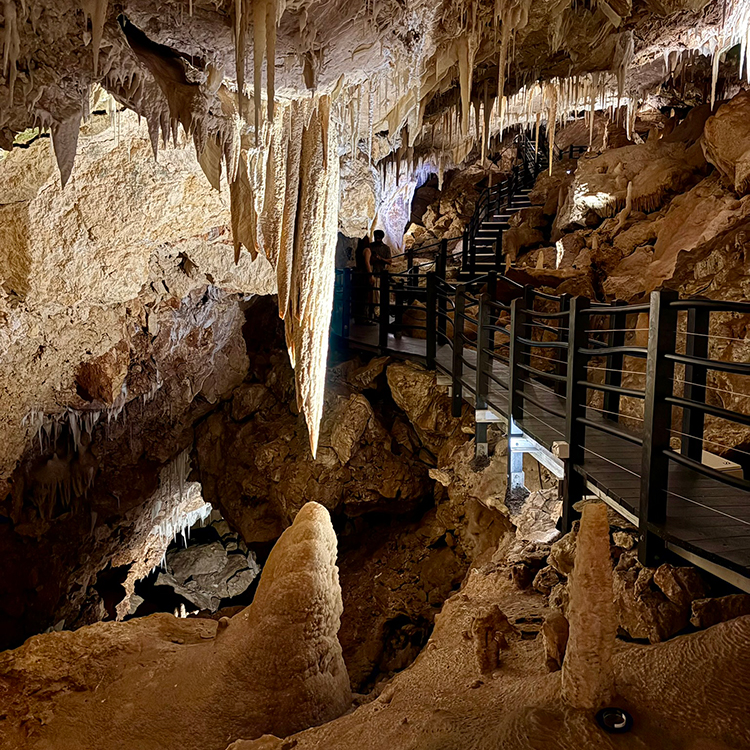
Above me, the cave roof bristles with stalactites like shiny crystal daggers. Stalagmites stretch to meet them with a sense of yearning, of fingers longing to touch. There’s nothing scary here – it’s a reverent space, commanding hush from visitors as they venture further into the humid depths.
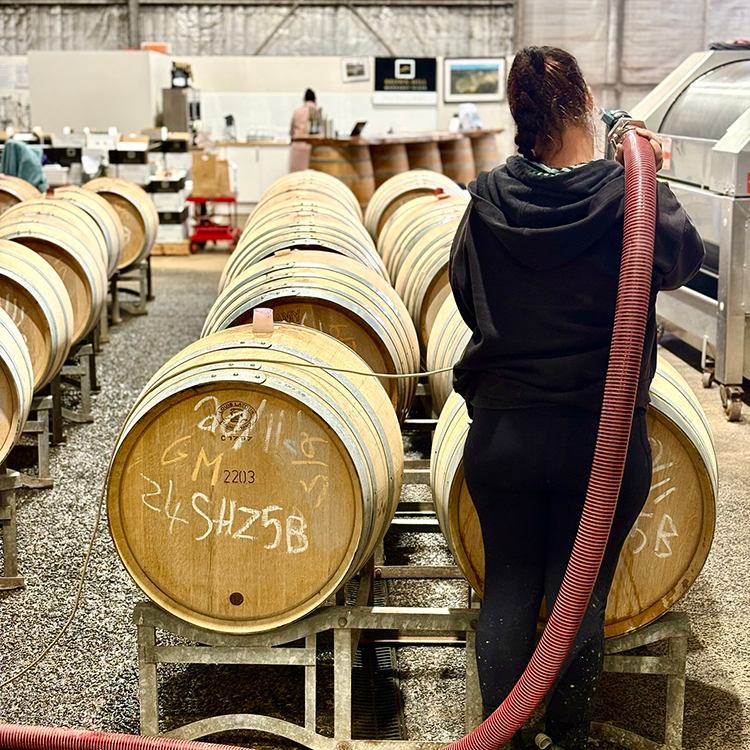
When exploring a famous wine region, it’s best not to be the designated driver so I opt to join a group on a full-day Harvest Tour. From coffee to chocolate, with a trifecta of winery visits in between, the tour is a sampling platter of the Margaret River region. I taste coffee brewed in various methods, cloudy sips of natural wine at the newly opened McHenry Hohnen wine bar, tart Sémillon from family-owned Brown Hill winery, and an unusual smoky Fumé Blanc from the aptly named country vineyard Woody Nook.
Venturing further south the next day I pull over by a bridge somewhere in the depths of Blackwood River National Park. I watch the glassy water slide past, grateful that this is not croc country. There is plenty of other wildlife in this part of rural Australia though. Just when I start to think that the landscapes look familiar and New Zealand-ish, I pass a paddock with a mob of muscular kangaroos, or a flock of black cockatoos swoops noisily over the road.
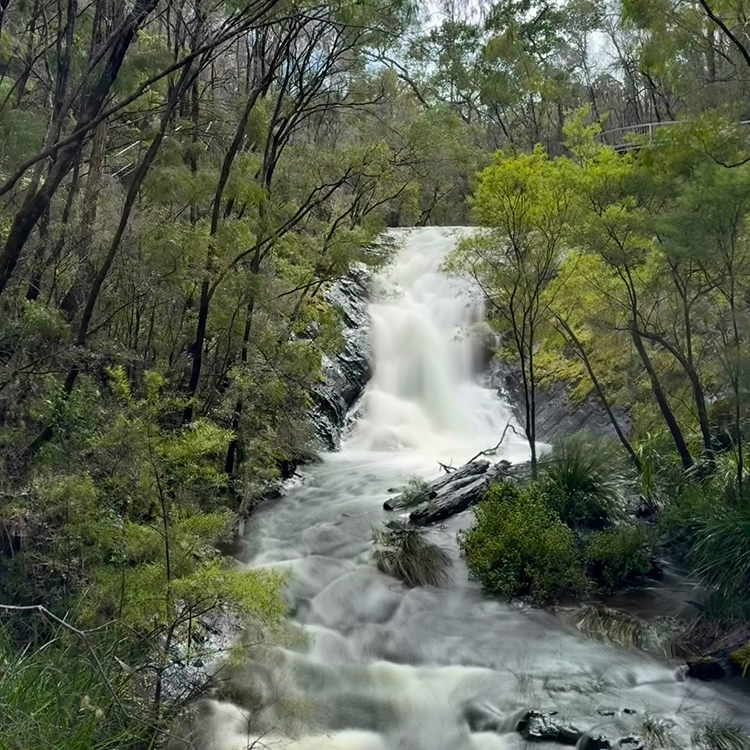
Beedelup Falls are pumping after the bout of rain. I take an easy stroll along boardwalks under more soaring eucalyptus trees, mocked by a cackling kookaburra perched in their heights.
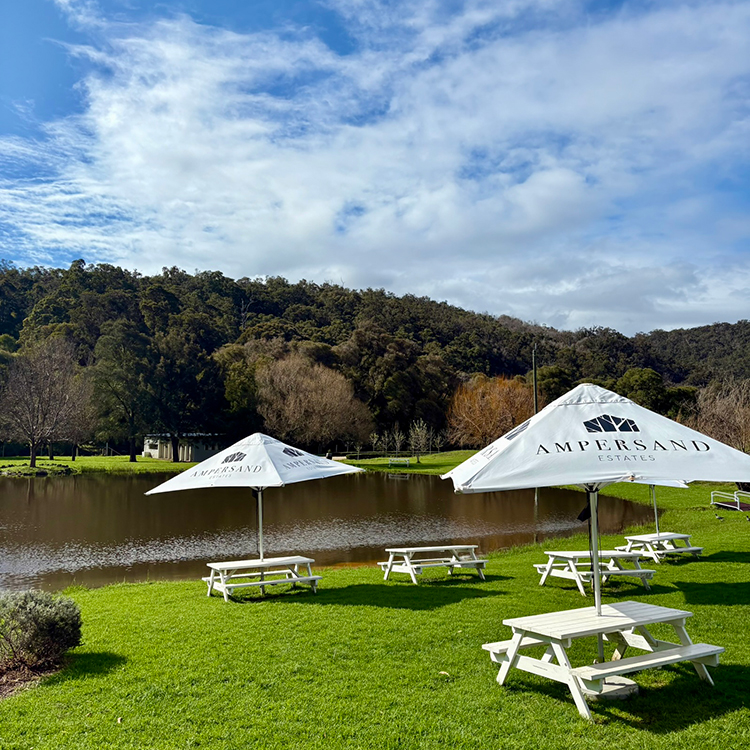
As I reach Ampersand Estate rain showers give way to a crisp spring afternoon and the vineyard glistens in the sunshine. At the cellar door, Estie guides me through a comprehensive tasting of Ampersand wines, including pinot noir-based bubbles, toasty chardonnay and a Bordeaux blend that evokes firesides and dark chocolate.
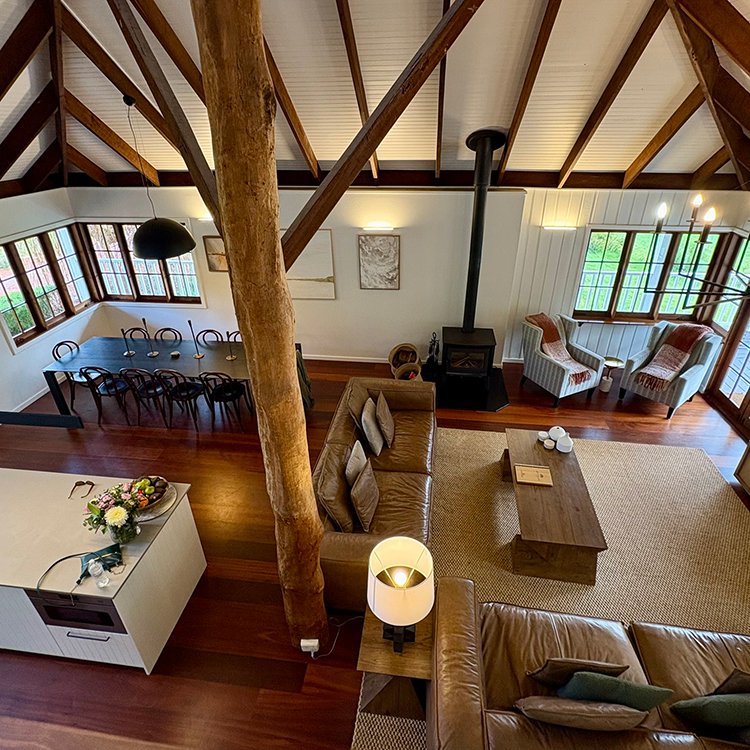
It’s lucky that I don’t have to drive anywhere; my accommodation for the night is a sprawling five-bedroom villa nestled between vines and a burbling stream. I wander through my digs, mouth agape, marvelling at the luxury of it all and trying to decide which of the king size beds I should sleep in. In the fridge I find a grazing platter of local delicacies weighing about 3kg. I only make a small dent in it before climbing into a plush bed, replete and grateful for the time spent exploring this beautiful part of Australia.
This story is from the Autumn 2026 issue of AA Directions magazine.