What you need to know about learning to drive
27 March 2025
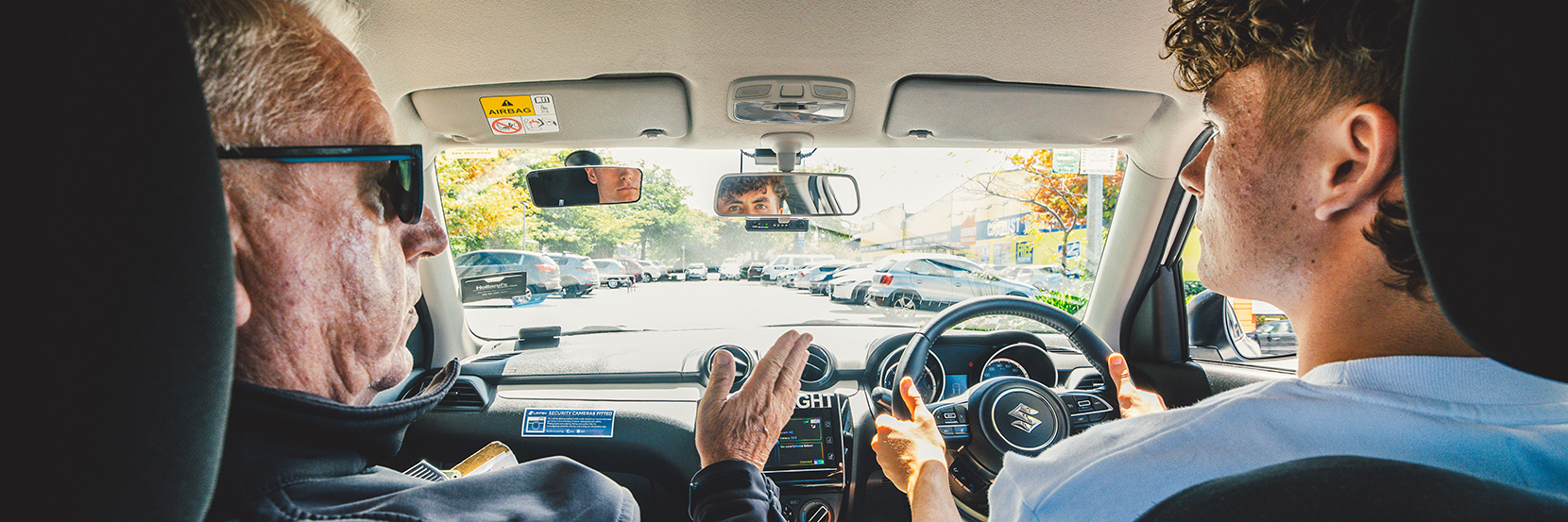
Kathy Catton goes behind the scenes of a driving lesson with AA Driving School.
Everything you need to know about the changes to to the Driver Licensing process in New Zealand.
Young drivers will face a very different path to getting their drivers’ licence from January 2027. The Government has confirmed that from next year:
For learners wanting to gain their restricted licence faster than 12 months, it will be possible to shorten that time by completing a certain number of supervised practice hours or a professional training course. The exact details of how this will work are still being developed.

The driving test to gain a full licence that has existed since 1987 will be removed, meaning people will only face one driving test on the roads – when they go for their restricted licence.
While this will be a radical change for New Zealand, almost all similar countries only have one driving test and it will reduce the costs of getting a full licence by $80.
Overall, the changes are likely to mean many learner drivers need to put in more time or effort before they can get their restricted licence. The AA hopes that is going to result in better prepared new drivers and ultimately fewer crashes.
“We researched many similar countries’ licensing systems and they all had only one driving test but lower crash rates than New Zealand,” says AA road safety spokesperson Dylan Thomsen.
“But what they also had was a requirement for minimum hours of practice or professional training in the learner period, so these changes are a step in that direction.
“The crash rates for young drivers in New Zealand are much worse than in most similar countries. One of the ways we can change that is by everyone taking learning to drive seriously and ensuring that young drivers develop more skills and experience when they are starting out.”
This story is from the Autumn 2026 issue of AA Directions magazine.