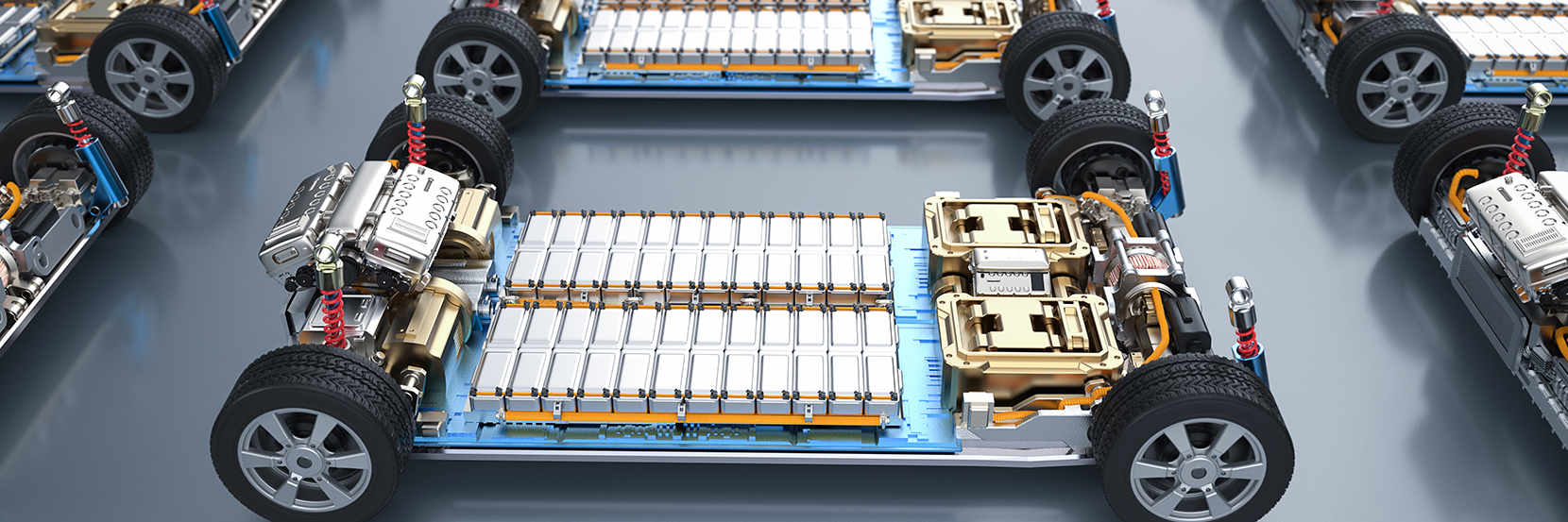
What happens to EV batteries at the end of their life?
07 April 2026
We investigate the problems and opportunities for EV battery recycling in New Zealand.
We explain what flush medians are and how to safely and effectively use them.
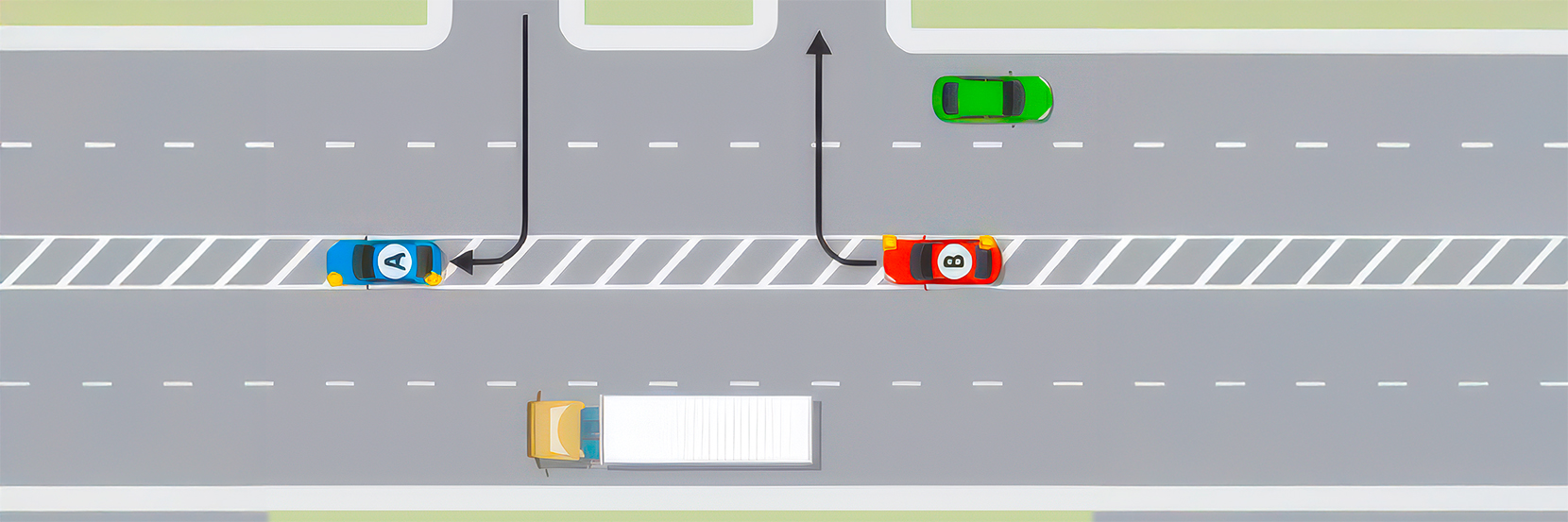
A flush median is the painted area with diagonal white lines located between opposing lanes of traffic. Its primary purpose is to provide a safe waiting area for vehicles turning right.
For example, when turning right from a main road into a driveway or side street, moving into the flush median allows following traffic to continue without being held up. Similarly, when turning right out of a side road onto a busy main road, you may enter the flush median and wait there until a safe gap appears. You must always give way to vehicles already travelling in the lane you intend to join.
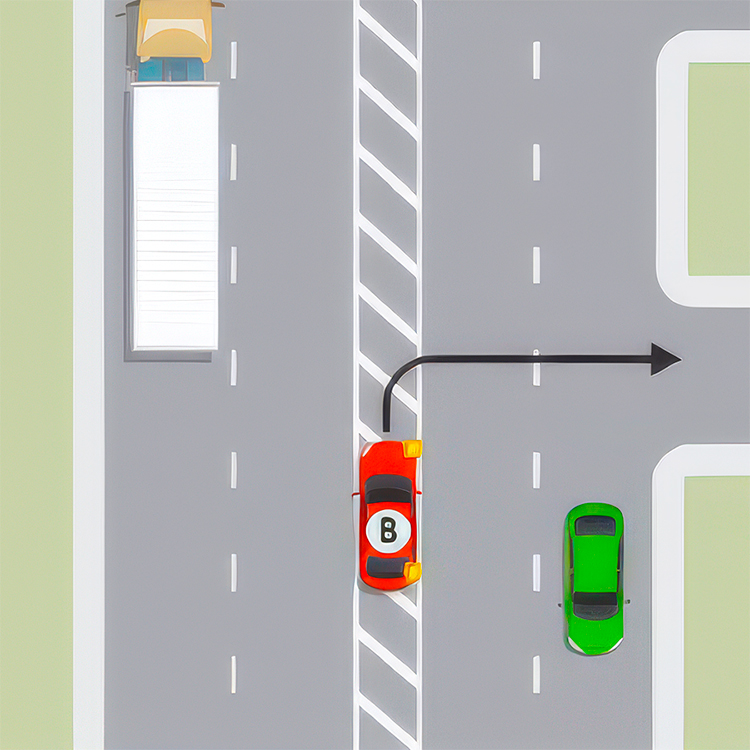
Good timing and positioning make a significant difference. As you slow for your turn, signal early and move smoothly into the median at a shallow angle, ensuring no part of your vehicle protrudes outside the painted area. This ensures you are not holding up traffic while moving into flush medians and allows following vehicles to continue safely and efficiently.
Check your mirrors and blind spots carefully – cyclists and motorcyclists may also use this space. Once in position, keep your wheels straight while waiting. This reduces the risk of being pushed into oncoming traffic if your vehicle is struck from behind.
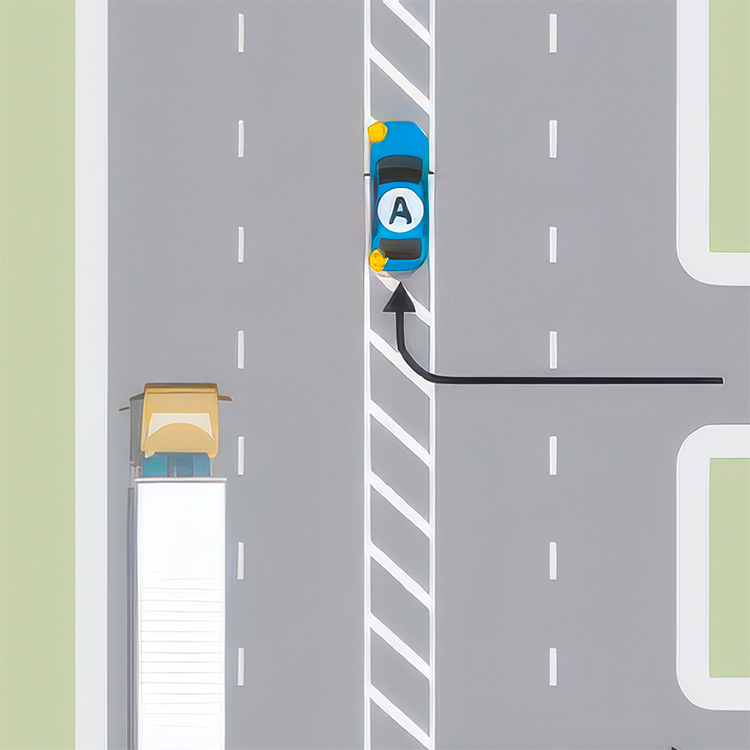
When it is safe to merge, indicate left, check your blind spot again, and accelerate confidently to match the flow of traffic.
The Road Code, published by Waka Kotahi NZ Transport Agency, emphasises that flush medians are shared safety spaces rather than traffic lanes. A little patience, clear signalling, and good judgement help ensure they function as intended.
This story is from the Autumn 2026 issue of AA Directions magazine.