What happens to EV batteries at the end of their life?
17 March 2026
We investigate the problems and opportunities for EV battery recycling in New Zealand.
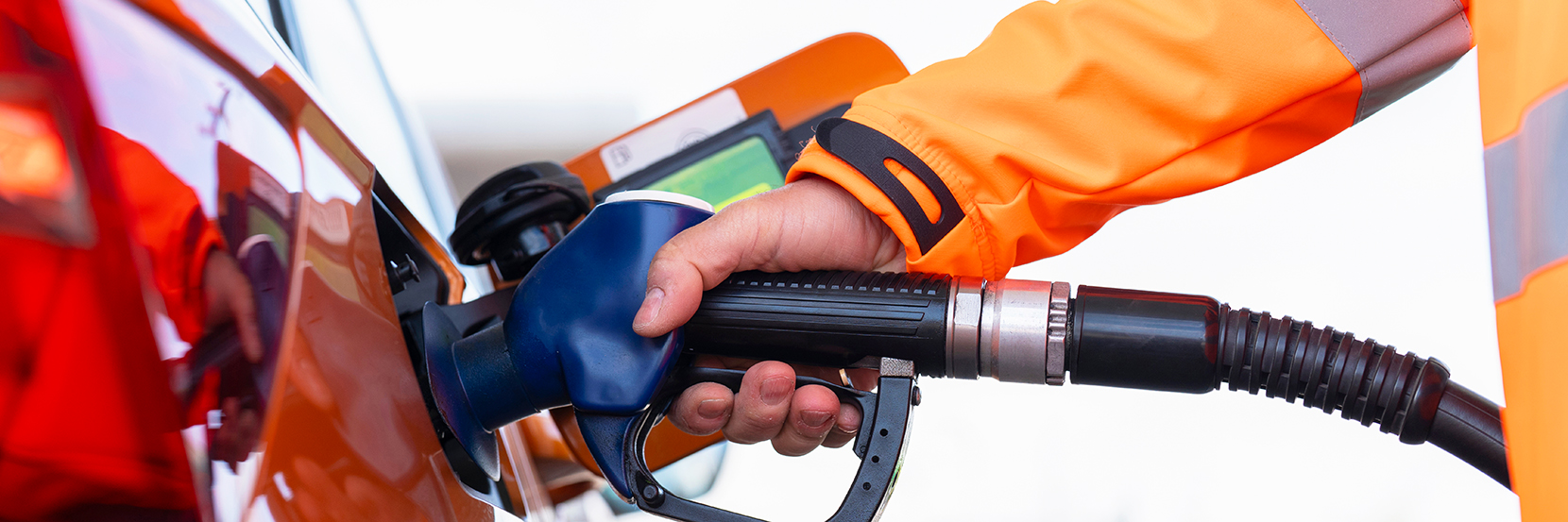
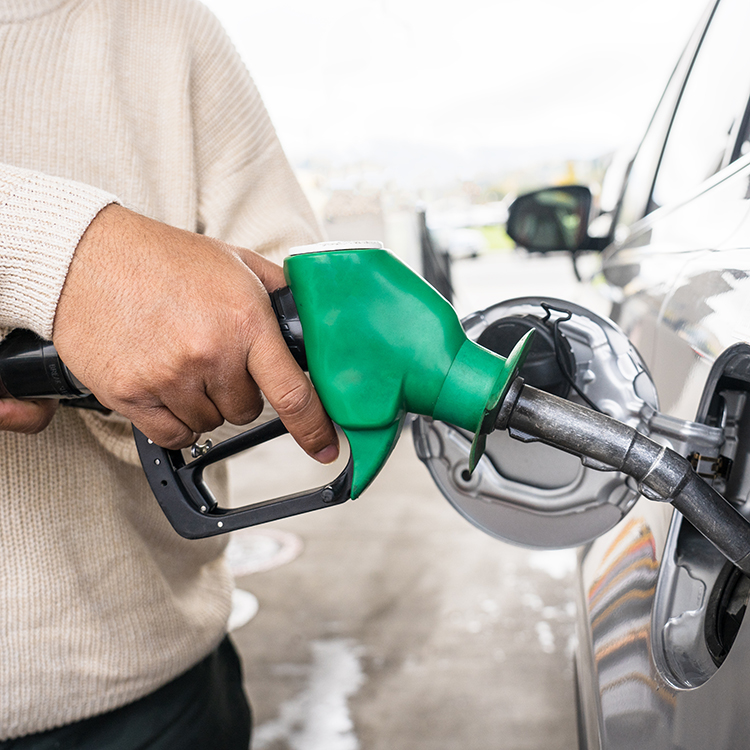
The high cost of fuel in New Zealand is starting to bite and many of us are feeling the impact every time we fill up.
However, in the same way that you turn off lights at home to reduce your power bill, there are practical steps we can all take to reduce the amount of fuel we use. These small changes add up and help make each fill go further.
The way we drive has a huge impact on fuel consumption. Driving economically uses less fuel and saves money. This doesn’t necessarily mean driving slowly, rather driving smoothly and keeping a constant speed where possible. Faster driving not only increases your risk on the road, it also means you use more fuel.
To help you drive more smoothly and conserve your fuel, make sure you scan the road ahead. Looking ahead allows you to anticipate slowing traffic, changing lights or lower speed limits, so you can ease off the accelerator early and use your vehicle’s momentum rather than relying on the brakes to slow you down. This technique is especially useful going uphill where you can use gravity to naturally slow the car down, reducing the need for braking.
We know that New Zealanders enjoy driving and love their cars, but fuel savings can come not just from how you drive, but also when. Of course, driving less often means using less fuel, but did you know that vehicles also use up to 20% more fuel when they're cold? Cutting down on unnecessary trips will help reduce your fuel usage.
A little love can go a long way when it comes to servicing your car. Regular servicing ensures your engine is running efficiently as it reduces internal friction and improves combustion, both of which improve fuel efficiency. Replacing engine oil, air and fuel filters and spark plugs can also improve fuel economy by 10-20%.
Tyre pressure and the wheel alignment also play an important role, as underinflated tyres or misaligned wheels both increase rolling resistance and fuel consumption.
Investment in car maintenance can translate into real savings at the fuel pump. Your local AA Auto Centre can handle your serving needs.
If your car isn’t due a service, AA Members can get two free 10‑Point Vehicle Checks each year which cover the essentials and make sure your car is running efficiently. For non-Members, these checks cost $19.
With competitive fuel discounting in some areas of the country, always take note of the price at the gas stations in your area as some are cheaper than others. Using apps like Gaspy can help you find lower cost fuel stations.
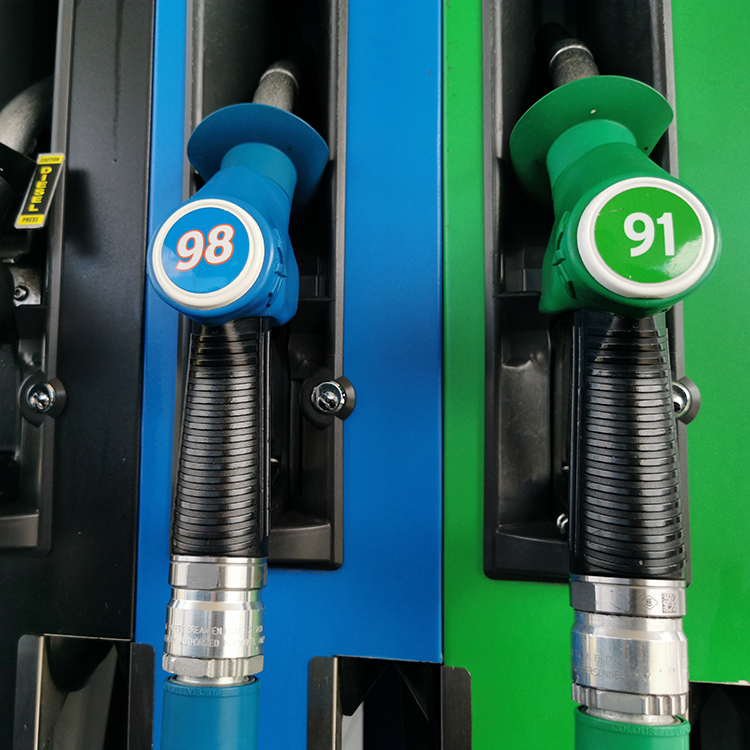
Do not be tempted to use a lower octane fuel than is intended for your car’s engine. For example, don’t use 91 Octane if your fuel cap says to use 95 Octane as this can seriously damage your engine and require costly repairs. If your fuel cap doesn’t state the recommend octane rating, consult your car’s manual or contact your local dealership.
The heavier the car, the harder the engine has to work, so removing unnecessary items can help reduce fuel costs. Keep essentials such as the spare wheel, a first aid kit and empty groceries bags, but store things like unused sports equipment, prams or other household items elsewhere if they are not being used. If your vehicle has roof racks and you don’t need them every day, removing them will help reduce drag and improve fuel economy.
Many modern vehicles include features that help conserve fuel. Using the Auto Stop/Start system pauses the engine while you are stationary so that the engine in not using fuel while idling.
Another important feature is ECO drive mode in most modern cars. ECO mode optimises overall performance to promote a smoother, more efficient driving style and help improve fuel economy.
Your car’s air conditioning system can increase fuel consumption by up to 10%, so turn off your air con when you don’t need it.
Choosing a more fuel-efficient vehicle will help you save money and reduce your CO2 emissions. This may mean upgrading your existing vehicle for a more modern one, changing to a hybrid or even making the leap into an EV.
.jpg)