
Are our highways getting safer?
03 March 2026
We share the results of an AA Research Foundation study into whether improvements on our most dangerous roads are working.

For two years in a row our road toll has dropped. Dylan Thomsen asks why.
New Zealand’s roads have never been safer. That's one way of looking at the big drop in road deaths in the last two years.
One of the common ways of comparing road safety between different places or periods of time is how many deaths there are for every 100,000 people in the population. With 273 people killed in crashes last year, that works out at 5.1 deaths per 100,000. You have to go back to 1923 to find a lower rate in New Zealand’s history. In that year the country had a population of 1.3m and a road toll of 59 deaths, but having a car was a novelty.
“The last two years have been historic milestones in terms of road deaths,” says the AA’s chief policy officer Simon Douglas.
“Before then we had been struggling to make any progress for about a decade.
“To put it into more real terms, New Zealand had one of its highest rates of road deaths through the late 1980s and if last year had the same rate of road deaths as back then, there would have been about 1,200 deaths instead of 273.

“That shows how much progress has been made over decades. The AA really hopes that New Zealand is entering a new era, leaving behind some of the highest rates of road deaths in the developed world.”
What’s behind the drop? The AA asked a range of people connected to road safety – Transport Minister Chris Bishop, experienced road safety engineer Fergus Tate, motorsport icon Greg Murphy and Caroline Perry, Director of the road safety charity Brake – for their perspectives on the improvement.
No one felt able to give a 100% certain explanation and all agreed a combination of factors would be at play, but there was agreement on some likely causes.
The Police have stepped up their focus on the roads in the last two years, and it appears to be delivering results. Almost everyone spoken to for this story mentioned this factor.
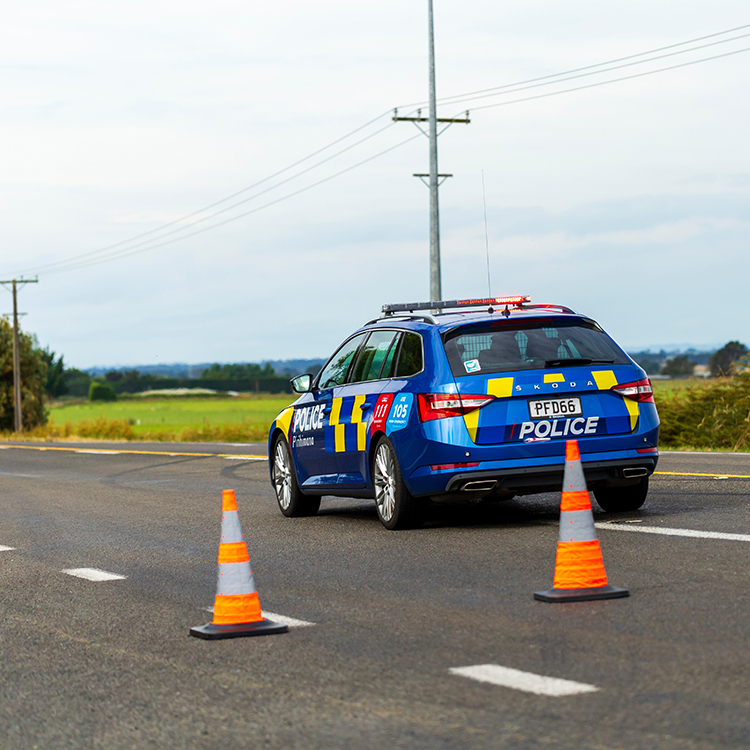
"High levels of road policing, particularly focused on inappropriate speed on rural roads, drink-driving checkpoints and safety camera activity are contributing to fewer deaths and serious injuries. We are also seeing reductions in crashes involving excessive speed and failure to wear restraints,” Chris Bishop says.
The official Police figures show how much enforcement has surged since 2023. More than four million tests for alcohol are now being done a year, up 32%. Officers were also on track to issue about 32% more speeding tickets than two years ago.
Fergus Tate and Greg Murphy both felt that the high cost of living could be having an impact.
“International and local research shows that tougher economic times like we've been experiencing usually leads to fewer serious crashes,” Fergus says.

The amount of driving doesn’t appear to have dropped – in fact there were more kilometres travelled in 2024 than ever before – but one theory is that there is less ‘risky’ driving. As people struggle to pay for both driving and entertainment, the number of people driving drunk or going for a joyride drops off.
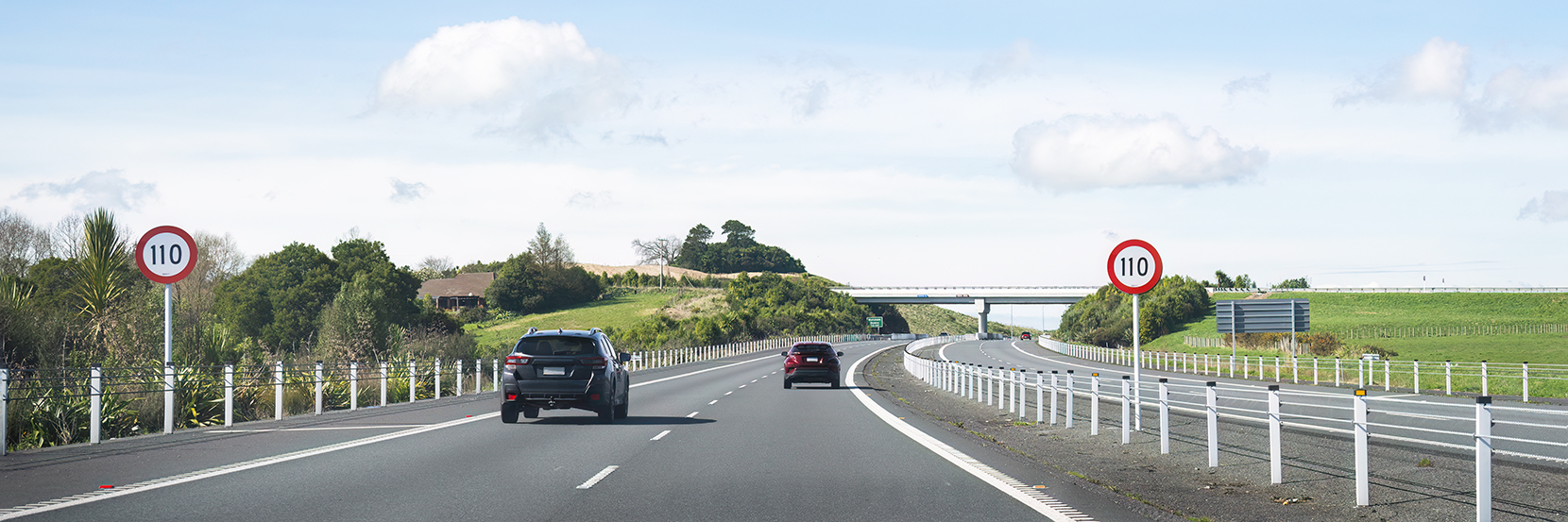
Another factor is better engineering of roads. While progress may be slow and concentrated in certain parts of the country, there have been big safety gains on New Zealand’s state highways over the last 20 years.
“We may be seeing the results of engineering, such as changes to road designs and the installation of median and side barriers,” Caroline Perry says.
Recent analysis from the AA Research Foundation backs that up. It found there were about 20 fewer fatal crashes each year on what, in the early 2000s, had been New Zealand’s highest risk highways. Many of these highways have either been replaced by new, much safer roads or had significant safety upgrades. The research showed major work delivered 28% reductions in severe crashes compared to 4% reductions where only minor upgrades had been made.
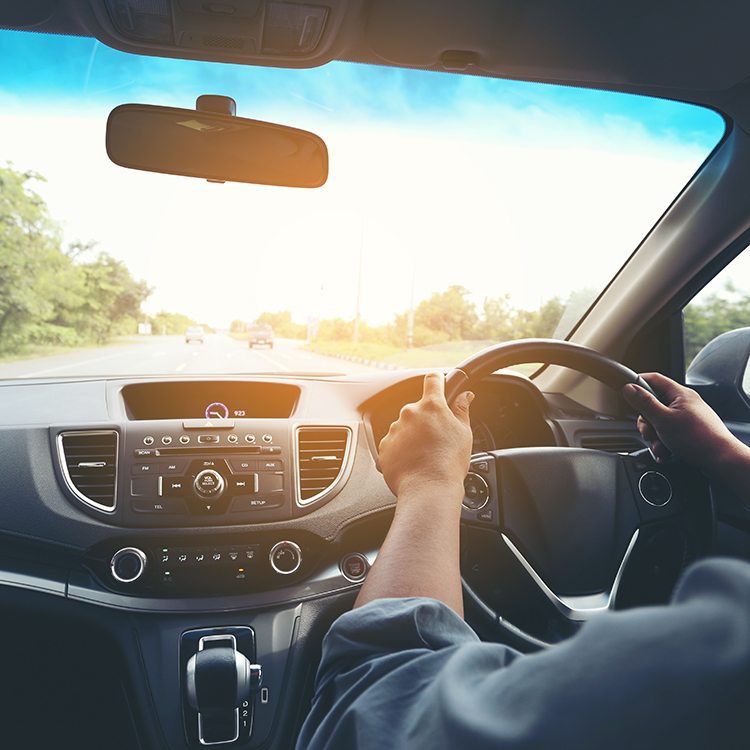
Modern vehicles are also more protective. Is that having an impact on our statistics?
New Zealanders drive older cars than most similar countries, with the average vehicle age in our fleet being close to 15 years. But that still means that the average New Zealand car now is a 2011 model. Safety features like electronic stability control, side airbags, emergency brake assist and more impact-absorbing vehicle frames are becoming the norm, and these can make a big difference in the consequences of a crash.
Because New Zealand has considerably older cars than many other developed countries, perhaps we are starting to see some of the harm reductions from crashes that other nations had years ago.
Greg Murphy pointed out that while there were fewer deaths in 2025, there were actually slightly more fatal crashes than in 2024; it will be months until data becomes available to show whether the numbers of serious injury crashes dropped, too. He felt it would take a deeper look into the data to really prove what was making a difference against things that could just have been good fortune.
But considering the substantial drop in road deaths, repeated for a second year, plus confirmation of more enforcement and the fact the number of highway crashes has reduced, it is surely more than luck. While a tough economy can have an impact, when Covid hit in 2020 there was a substantial drop in driving and major financial uncertainty – and the road toll that year was 319.
The AA is seeing the result as a sign we have turned a corner in road safety, that progress is being made.
Not that we can ever stop striving for improvement. Caroline Perry points out that while New Zealand’s rate of road deaths has hit a record low, it is still higher than Australia and many European countries.
As Chris Bishop states: “Every road death is a tragedy and every life saved matters.”
Everyone featured in this story shared the view that it is possible for New Zealand to improve road safety further, although views differed on what actions should be the next priorities.
“It wasn’t that long ago that many people thought New Zealand would never get its road toll below 300,” Simon Douglas says.
“But we have done it, and it’s entirely possible that we could get below 250 deaths in the near future and then less than 200 with more work from authorities and better attitudes and behaviour from people on the roads.”
This story is from the Autumn 2026 issue of AA Directions magazine.