What happens to EV batteries at the end of their life?
28 July 2026
We investigate the problems and opportunities for EV battery recycling in New Zealand.
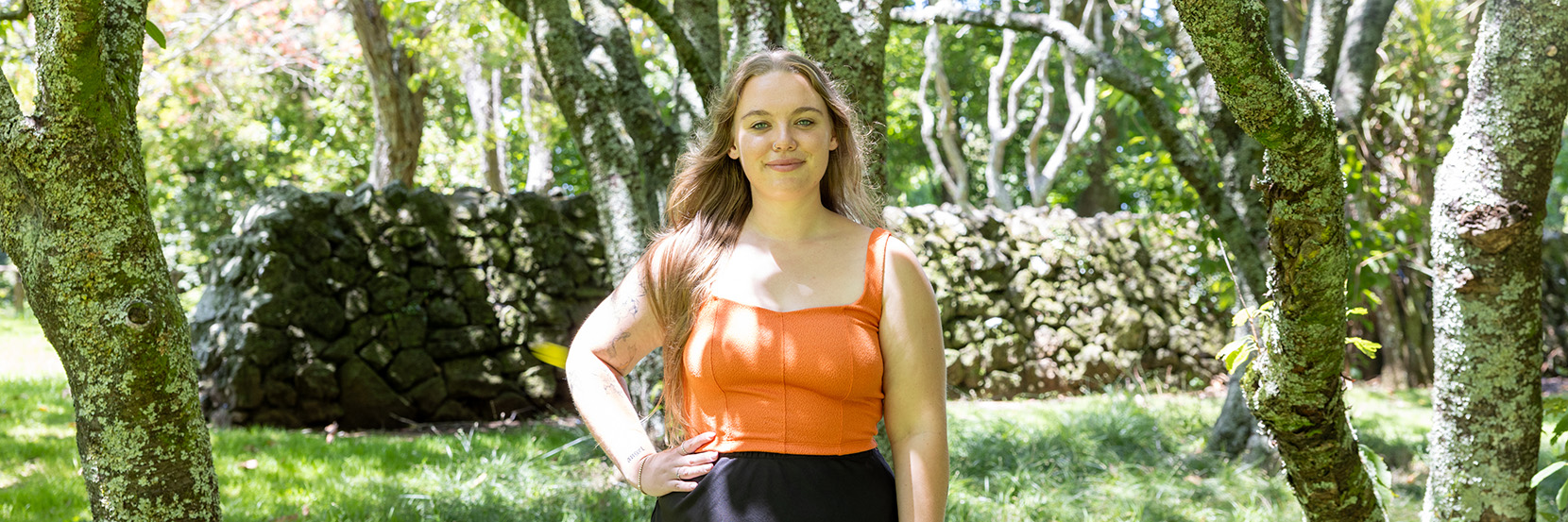
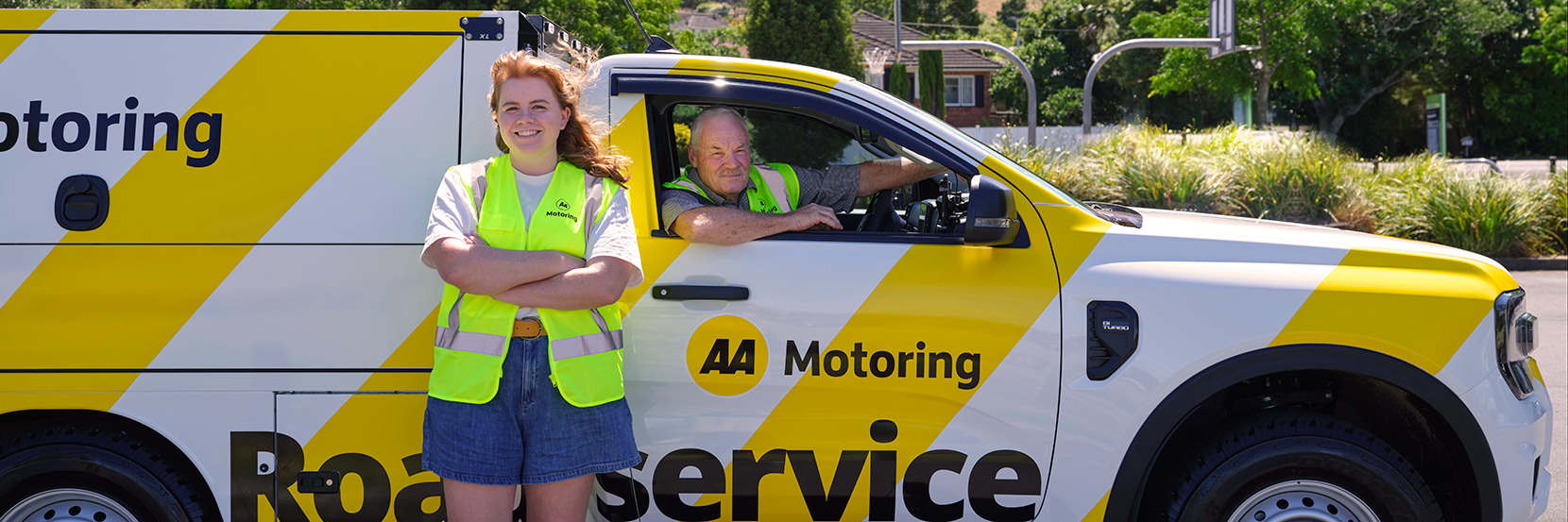
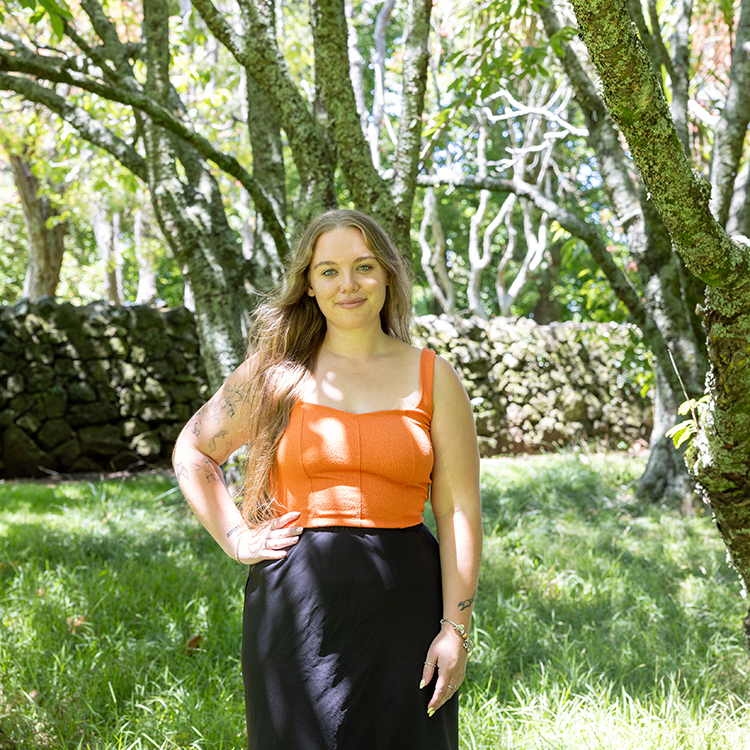
We chat with Emmerson Fletcher, Dispatch Team Manager about her role working behind the scenes for AA Roadservice.
How long have you been working at the AA?
I first started at the AA in 2016, although I left for a couple of years to work as the General Manager for a towing company, but came back to the AA. So, I have been with the AA for about eight years all up, always in dispatch.
Tell us about your role.
I'm the Dispatch Team Manager. The title probably doesn't highlight enough about the role. We have about 30 dispatchers and another team manager; we look after half each.
We work very closely AA Battery Service, the Mobility and Roadservice teams and the AA Contact Centre because dispatch is the middleman in between all of them.

What does a typical day look like for you?
We do a lot of monitoring of the live roadside work across the whole of New Zealand. We make sure the jobs are progressing, that the guys are on route and getting to Members within the advised timeframes. We double check the details coming from the Contact Centre to make sure that everything is clear and there’s enough information for our providers to get to them quickly. We are also responsible for Member delay updates. With our monitoring we’re able to see what’s going on and if we’re getting close to the estimated arrival time we’ll call the Member to apologize for any delay and give them an update. So, most calls that Members receive are from our dispatch team.
The main part is monitoring the workflow of the service.
If one area is getting particularly busy and there are limited Roadservice Officers nearby, we’ll bring on extra resources. The main thing is keeping those delays down for our Members.
What is a normal number of Roadservice jobs on the go at once?
At any one time we could have anywhere from 100 to 200 Members waiting at the same time for help to arrive, 200 being the higher volumes. On a normal day we would have about 70 to 120 waiting at the same time. In a week we’d do roughly 10,000 jobs.
A lot of our system is auto-allocated, but about 50% of our work is manual calls and dispatching.
We have between eight and ten dispatchers rostered on at any given time; they will all be managing multiple Roadservice jobs at once. They deal with inbound calls from the guys on the road, Members, and also making outbound calls to Members and providers like towing companies. It’s actually really complex.
How important is the dispatch team?
When new people start at the AA, a part of the journey is to sit with the dispatch team for an hour or two to get a better idea of how everything works behind the scenes. The general response is ‘oh my goodness’ when they see everything that’s going on on our screens.
How do you prioritise jobs that might be more urgent?
Whether the job comes through via a human (at the Contact Centre) or automatically, we have a priority system. Number one would be an emergency like a child locked in a vehicle. When something like that happens the whole team stops what they’re doing to ensure someone goes to that job ASAP. Then there are other reasons for urgency – maybe the Member is running late for an appointment or they have to pick up their kids – we have a colour-coded system on our screens so we can rank priority.
Have you had any funny incidents in your role?
We’ve had animals stuck in engine bays. In those cases we’re not just mechanical Roadservice, we put our SPCA hats on to extract mice or kittens. We’ve had Roadservice Officers travel for two and a half hours to help elderly Members who weren’t pushing the right button.
We have such a good relationship with the Roadservice Officers, so when funny things happen they like sharing them with us. They’ll call us back to have a laugh.
It doesn’t take long for the team to build a rapport with the Roadservice Officers around New Zealand. They’re all on first-name basis and they have their quirky greetings and chat. Even if they’ve never met in person and have no idea what they look like.
What do you enjoy most about your role?
It is different every day. Something funny might happen, or something drastic which even though it’s not that positive, it’s exciting. It’s fast-paced. We call ourselves the engine room of AA Roadservice because we keep things moving.
This story is from the Autumn 2026 issue of AA Directions magazine.