
Why are JDMs some of New Zealand's most loved vehicles?
03 March 2026
We explain what a JDM car is and why they're so significant in New Zealand's automotive history.
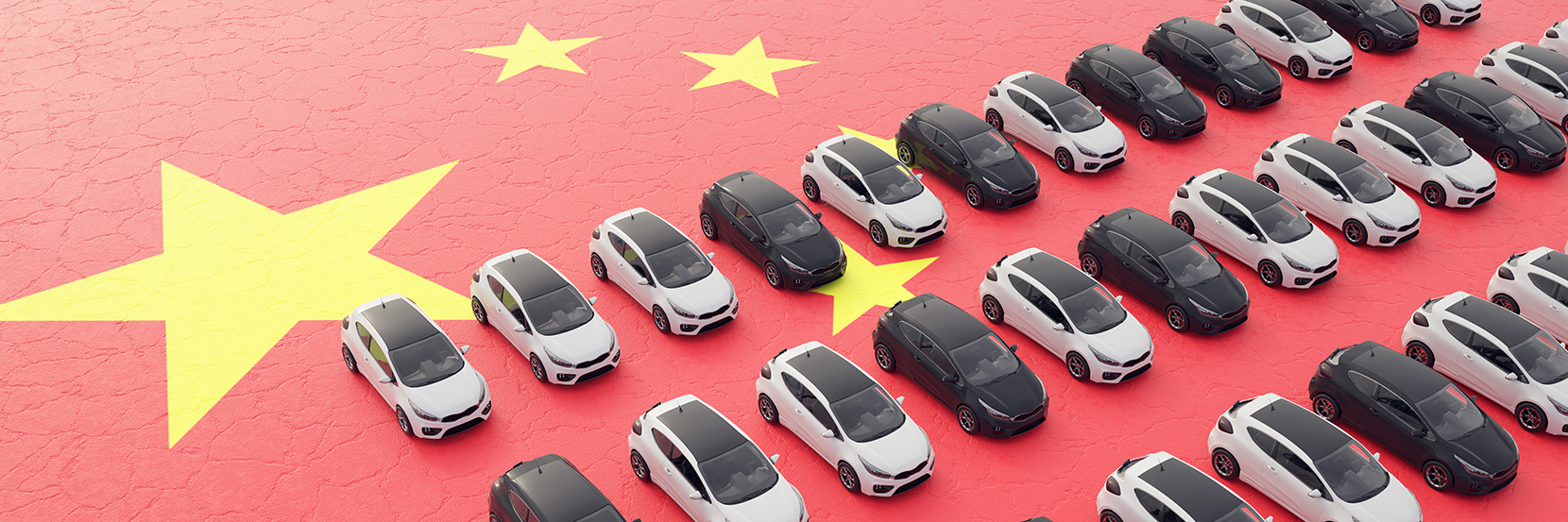
From BYD to GWM, we investigate the increasing number of Chinese car brands on New Zealand roads.
It was the 1980s – the days of big hair and big shoulder pads. My mum dropped me off at a friend’s house. His father was standing out front, arms crossed, glaring at our car. “Jap crap,” he muttered.
Fast forward to the 2000s, this time a car with a Korean badge. Again, I faced comments about a ‘strange new brand’ from a different country.
Today, Japanese and Korean car brands feel familiar, even local. Could the same happen with Chinese brands?
Five years ago, the Chinese automotive market trailed the rest of the world. Today it has surpassed the major manufacturers, exporting more cars than the USA, Germany, South Korea or Japan.
Chinese electric and hybrid technology has rapidly advanced. These vehicles (called New Energy Vehicles or NEVs in China) make up 35% of vehicle exports and half of sales within China. Last year, Chinese brand BYD overtook Tesla to become the biggest seller of EVs.

And so, it’s no surprise we’re seeing a rise in Chinese vehicles on New Zealand roads. While some countries have placed tariffs on Chinese imports, we have no domestic car manufacturing industry to protect and can benefit from the competition.
Anecdotally, some Chinese cars were seen to have a lower build quality, but improvements in their safety and drive characteristics have shifted this perception.
Warren Willmot, manager of BYD in New Zealand, acknowledges that historically some brands weren’t ready for market. “Now we are seeing brands with mature, technologically advanced products, bringing greater acceptance among both fleet and individual buyers,” he says.
Recently, safety authority ANCAP listed the safest vehicles per segment for 2025. Six of the seven listed were manufactured in China, including two from Chinese-headquartered brands. All but one were electric.
Many of these vehicles include technology and features as standard that are typically reserved for higher-priced trims. This value-for-money offering has bought a new level of competition to the market.
While it might seem that there’s a huge shift underway, it’s not quite the case in New Zealand. Chinese vehicles are gaining market share, but slowly.
Last year 15% of new vehicles in New Zealand were manufactured in China, up from 9% in 2021. Chinese-owned brands now account for 13.5% of the market, with the biggest players being MG, GWM, BYD and Chery.
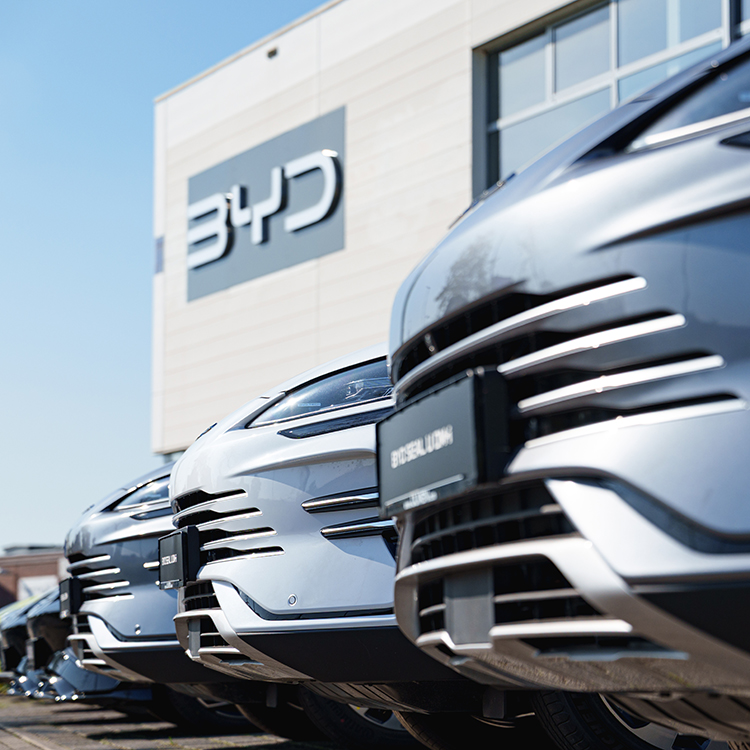
How many different makes and models can our market realistically support? While new vehicle purchases rose 8% in 2025, volumes remain below earlier years. We now have many more brands competing for a share of a market that is barely growing.
What’s a car buyer to do? With so much choice, it’s easy for decision fatigue to set in. Do you buy a car from a familiar brand, or do you opt for something relatively new? For some, this initial hesitancy gives way to compelling features and attractive pricing, regardless of country of origin.
No matter what the brand, it helps to follow the same plan as for any car purchase: research, ask questions, talk to friends, talk to dealers, take test drives, get advice from the AA. Check the warranty details.
What does long-term support and repair look like? Ask about the parts supply – is it reliable? How long will it take for new parts to be delivered if the vehicle was damaged in an accident? Is the brand attached to a strong dealer network? In the event of a brand leaving New Zealand, the local distributor is responsible for fulfilling warranty requirements under the Consumer Guarantees Act.
Brian Carr from Auto Distributors NZ recommends looking into who owns a brand, and its overseas track record. He notes that Leapmotor – a Chinese brand distributed by the company – is 20% owned by European carmaker Stellantis.
The future outlook for emerging brands in New Zealand is difficult to predict. However, if other markets are any indicator, many Chinese brands will grow in popularity. In Australia, sales of Chinese brands grew tenfold between 2019 and 2025, now accounting for 17% of the market. In Europe, sales of Chinese cars almost doubled last year, despite import tariffs.
For car buyers in New Zealand, this influx not only adds more buying options, it also raises the stakes for every vehicle brand. We are entering a significant new chapter in our car market.
This story is from the Autumn 2026 issue of AA Directions magazine.