
Q+A: Sarah Page, founder of the Kindness Collective
04 June 2026
We talk to Sarah Page about the work the Kindness Collective does to help New Zealanders struggling with the cost of living.
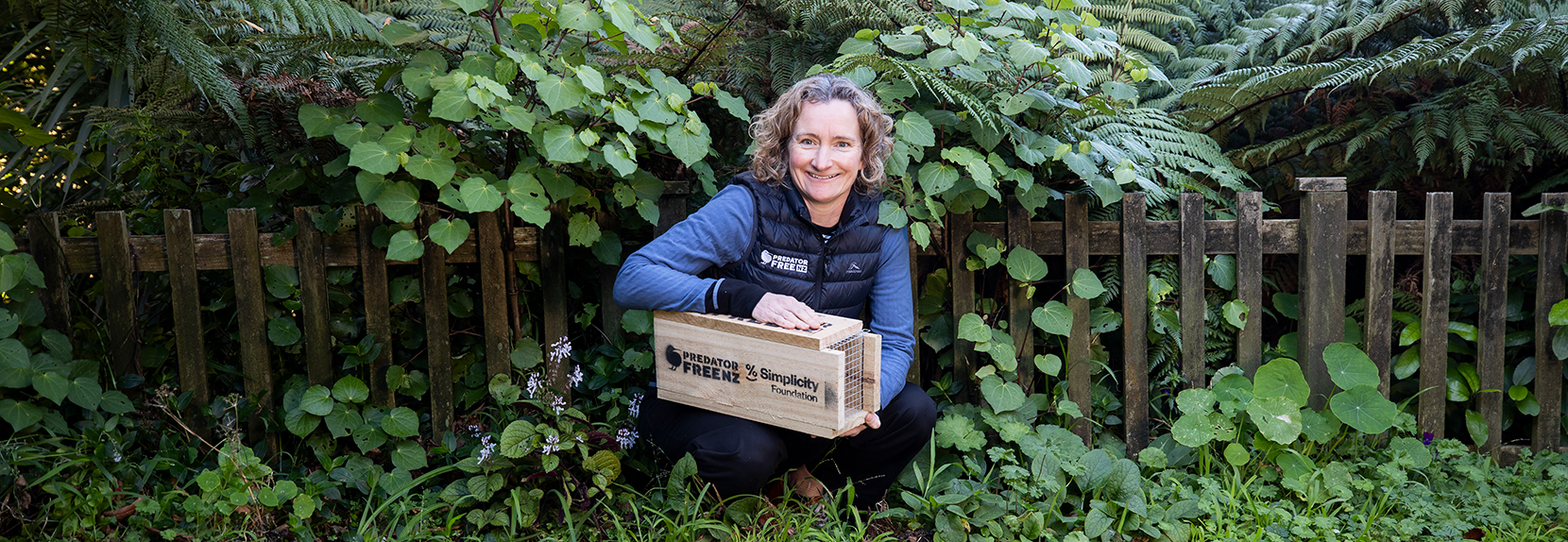
Jessi Morgan is the Chief Executive of Predator Free New Zealand, an organisation dedicated to ridding Aotearoa of pests.
What inspired you to get involved in caring for our whenua?
I grew up in a house bus, so as a family we spent a lot of time outdoors, exploring. As I got older, I enjoyed tramping, mountain biking and snowboarding; I’ve always had a connection to the outdoors.
It wasn’t until my late 20s that I really became aware of the plight of so many of our native species. I’d always loved our quirky and charismatic native birds and when I realised so many were in decline, I was shocked. Around the same time, birds began spilling over the predator-proof Zealandia fence in Wellington, so there were suddenly more tūī, kākā and kererū around the city, in our backyards and reserves.
Having not come from a conservation background (I’d previously spent 10 years in IT), I was surprised at how elitist it was. It was really for the ‘hardcore socks and sandal-wearing greenies’ and wasn’t appealing to the mainstream. I realised that if we wanted to make a difference, we needed to make involvement as accessible as possible.
How has the predator free movement evolved since it began in 2013?
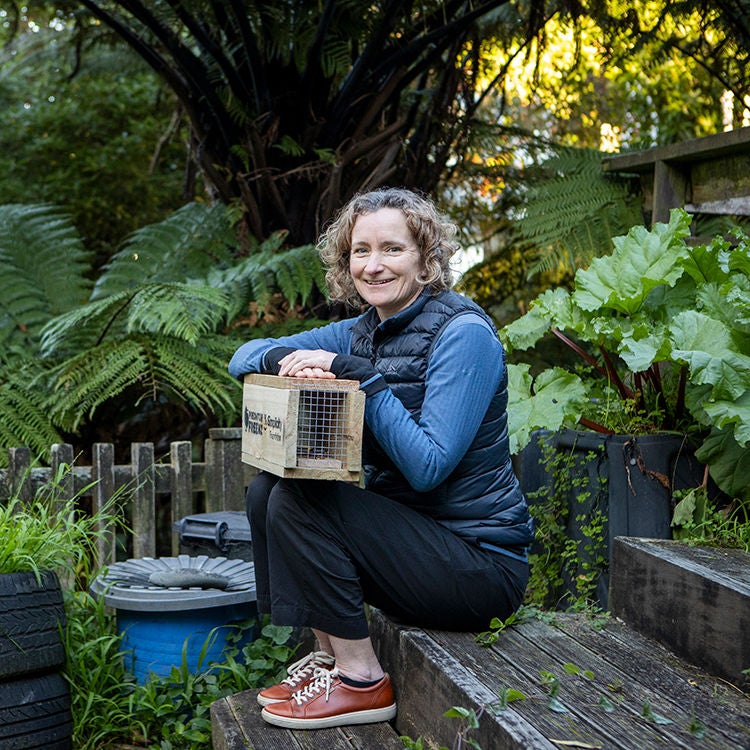
In around 2012, backyard trapping was becoming a thing in Wellington. I also started trapping in Waimapihi Reserve (then Polhill reserve) in Wellington’s Aro Valley, adjacent to Zealandia. Unlike in other areas, traps were put along existing tracks so they were easily accessible, and I could clear them with my young kids. Mountain bikers and walkers were, too, so it opened up involvement to a wider audience.
The movement becomes mainstream when participation is doable for anyone. You don’t have to spend the weekend clearing traps deep in the bush. You can put a trap in your backyard, keep your cat safe indoors, report a stoat sighting and support conservation-friendly policies at local levels.
What changes have you noticed over the last decade?
Ten years ago, predator control was mostly in the domain of the Department of Conservation, regional councils, farmers worried about tuberculosis [spread to stock through pests], and some dedicated volunteers checking traplines in the bush. A ‘predator free New Zealand’ was just an aspirational whisper from hardcore conservationists; something that was a bit of a pipedream.
That changed in 2016 with the Government’s initiative to eradicate possums, rats, stoats, ferrets and weasels from New Zealand by 2050. Today, the predator free movement is far more visible and encompasses all kinds of people, in just about every corner of Aotearoa. The backyard trapping movement has grown exponentially and today you’d be hard-pressed to find a town or suburb without a predator free group. One of the movement’s biggest successes to date, Predator Free Wellington – which has removed all predators from an entire urban peninsula – was built on the back of backyard traps and volunteers working in reserves.
What's the best way to start backyard trapping?
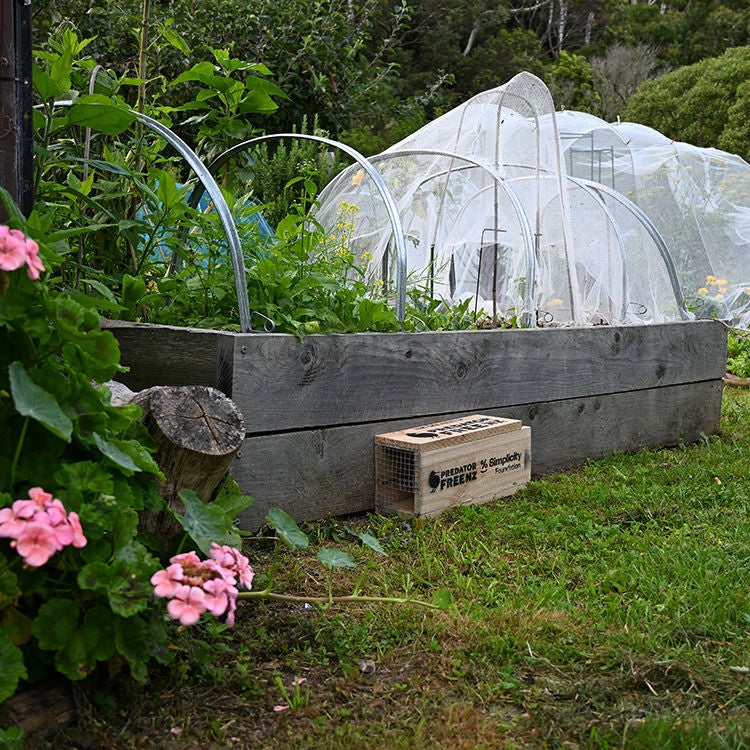
We recommend people do a little reconnaissance outside to see what predators are in their backyards, farm or lifestyle block. You might not see an actual rat, possum or stoat, but there are clues: poop, scratched trees, nibbled fruit. You can buy or make chew cards, basically little corflute squares smeared with peanut butter. Predator bite marks will help you identify what’s in your backyard. Most people start with rats, because every backyard has them. You can choose a trap that suits your preferences and budget.
The Victor Professional and T-Rex products are snap traps that go into a wooden tunnel. They are cheaper, and if you have a neighbourhood or community predator control group nearby, they might even provide them for free. There are higher spec options, too, including the self-resetting Goodnature trap. The key is not to overthink it. Start small and build from there.
Are there other benefits to backyard trapping, beyond protecting native wildlife?
Protecting your household from predators can save money and potentially lives. Rats will chew through wires and pipes, which can cause fires, floods and gas leaks. And most insurance providers don’t cover pest damage. Possums also damage your garden by eating citrus, feijoas and roses. Beyond that, research shows that people involved in conservation groups have better social connections.
Are there any misconceptions about trapping?
A common concern is safety around pets and kids. In practice, most backyard traps are designed with protective wooden tunnels that keep the trap out of reach of paws or hands. When set up correctly and placed in a sensible location, they are safe. People often underestimate how a single trap helps the wider predator free movement.
What are the roadblocks to reaching the predator free milestone?
There’s still a major gap between public support and long-term investment. New Zealanders are hugely supportive of the goal, but the amount of investment is still pretty low if we’re serious about achieving Predator Free 2050. Overstretched agencies, short-term funding, unpaid labour and oversubscribed funding grants hamper momentum. We need ongoing support and investment from politicians to make this happen. There’s also the sheer complexity of the landscape. New Zealand is made up of farms, cities, mountains, wetlands, islands and forests, and predators move differently through all of them. What works in one place doesn’t always work in another.
How do you hope people will see pest eradication in the future?
People have busy lives, so making predator control something we all do, like our recycling, is where we need to get to.
What do you enjoy most about your work?
The people. I believe that at its core, predator free is powered by people. There are so many great volunteers who care deeply and give generously. They don’t have any desire for personal gain; they just want to look after the special taonga that we have and protect it for future generations.
This story is from the Winter 2026 issue of AA Directions magazine.