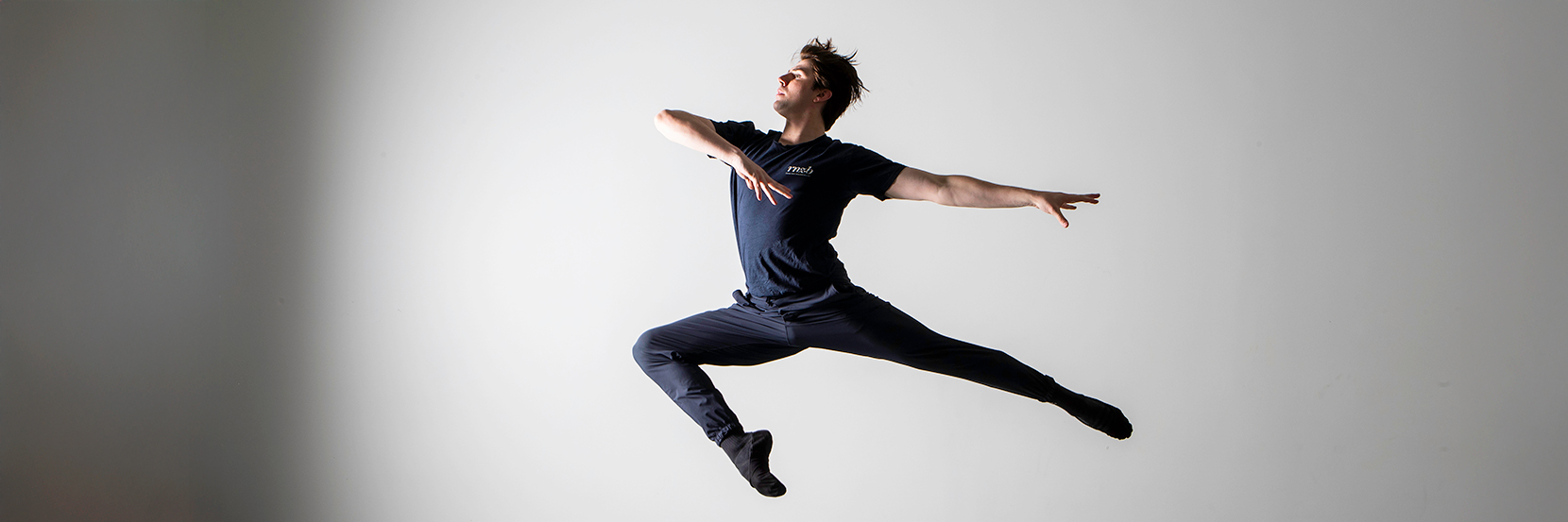
Behind the scenes at the Royal New Zealand Ballet
07 April 2026
We chat to Callahan Laird, Artist at the RNZB about what it takes to be a fulltime dancer.
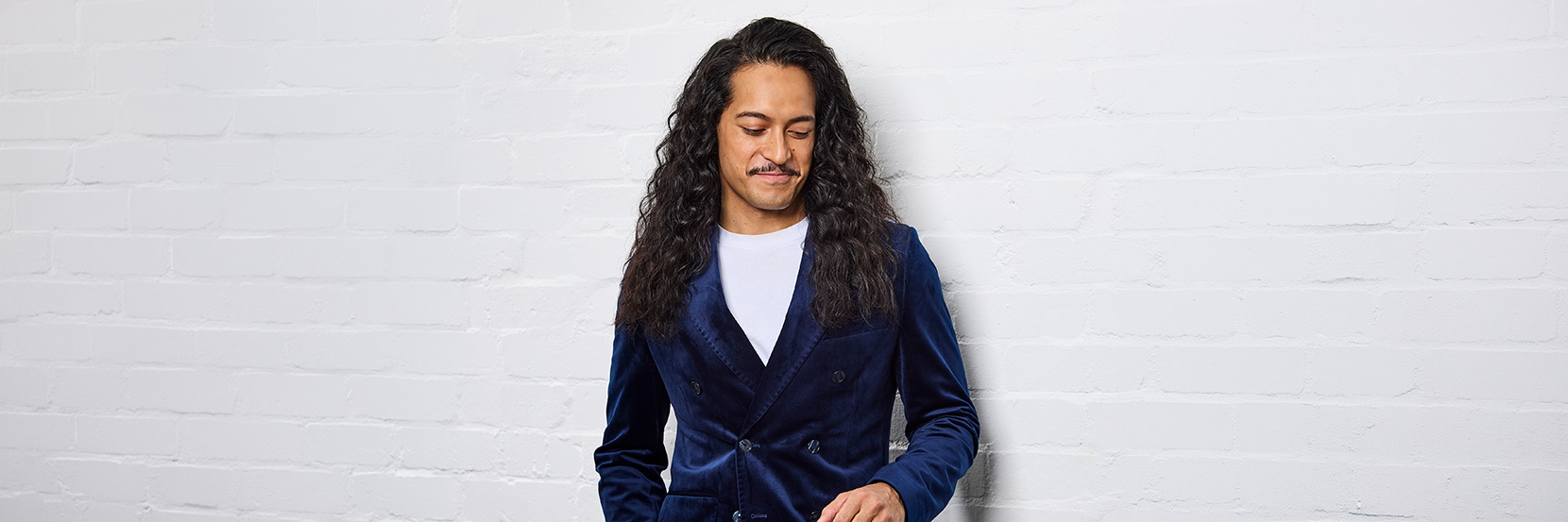
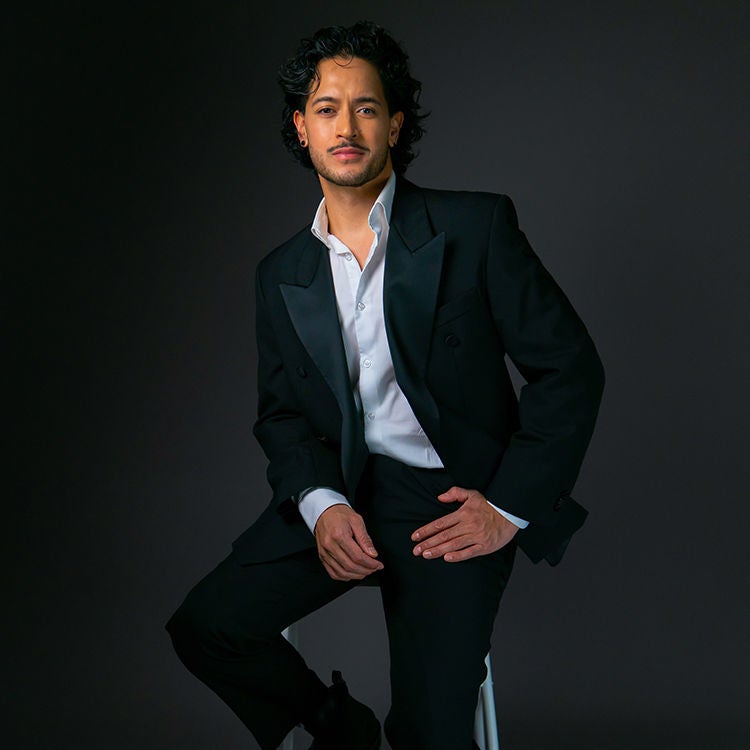
We chat with tenor Filipe Manu, starring in NZ Opera's The Pearl Fishers this September, about his operatic journey.
What made you pursue a career in opera singing?
There were a lot of important people that led me down this pretty unexpected path to opera. Mum, my brothers, my first singing coach Claire Caldwell, my first singing teacher Ian Campbell and the first Pasifika opera singer I ever saw perform live, Aivale Cole, to name a few. But none of this would have even been on my radar had Mum not submitted an application to Dilworth School, where I was given the life-changing gift of a free education.
What is your earliest memory of singing?
I was at primary school, probably about seven or eight years old, and I was given a solo line from Boyzone’s No Matter What as part of a choir performance. I was absolutely terrified largely because I couldn’t speak a word of English. That line was the most English anyone had ever heard come out of my mouth. Me included.
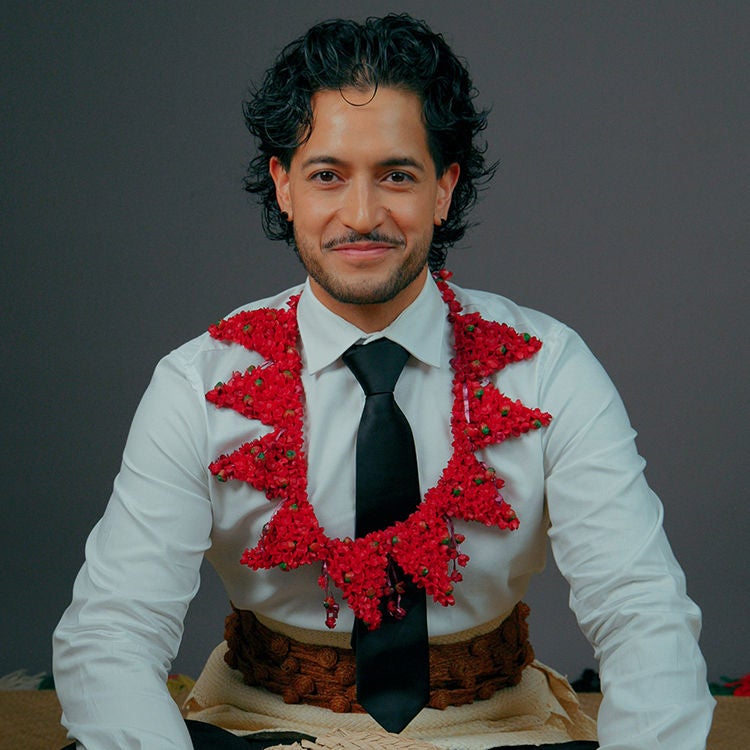
Tell us about your experience learning English?
Like anyone who has learned English as a second language (or even first), it’s probably much the same. It’s a difficult language and often seems to adhere only to the rule that it doesn’t adhere to any rules. When I first started primary school in Auckland, I didn’t speak or understand a single word of English. Tongan was the language spoken at home, while all my classmates spoke English fluently.
A teacher suggested to mum that she stop speaking Tongan to me at home and speak only English in the hope that it would improve my English quicker. Thankfully, that lasted all of about five minutes, because Mum’s English wasn’t much better than mine. I would have lost an important connection to my language, culture, mother tongue and relationship with my mum. What’s encouraging now is that there’s a much greater understanding of bilingualism and language development in children. We now recognise that children are perfectly capable of learning multiple languages simultaneously, and one language doesn’t need to come at the expense of another.
Describe your character in The Pearl Fishers.
Nadir is a beautiful role because he leads almost entirely with emotion and instinct. At the centre of the opera is this tension between loyalty, friendship, love and desire, and Nadir gets caught right in the middle of it alongside Zurga (Philip Rhodes) and Léïla (Madison Nonoa). He feels things very deeply and doesn’t really know how to hold back, which is probably what makes him both compelling and dangerous. There’s also something very open and lyrical about him, both dramatically and musically, which makes him very rewarding to sing.
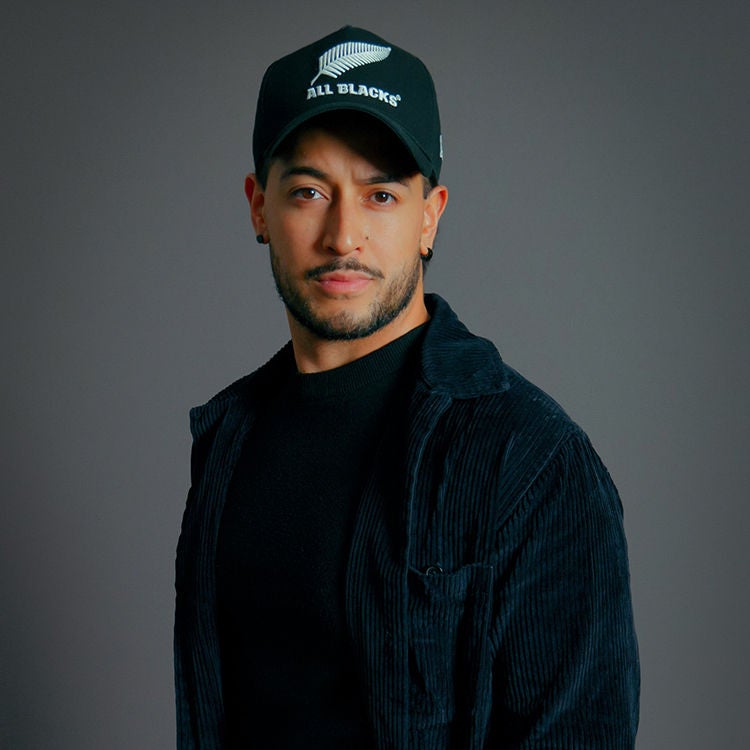
Are there any similarities between you and your character Nadir?
I think anyone who comes from a strong sense of family and community understands the tension between personal desire and responsibility to the people around you. Growing up in a Tongan family and within a pretty close community, those ideas of loyalty and collective responsibility were always very present, so I understand that side of Nadir. Thankfully, though, my life involves far fewer dramatic consequences.
How rigorous is training for opera performances?
Immensely, especially when learning a new role. The closest comparison I can think of is with elite athletes. You hear about boxers going into training camps for weeks on end, or tennis players working with different coaches on every aspect of their game: forehand, backhand, serve, movement, mentality. We do the same thing with every aspect of our performance.
Once a role confirmed, the preparation starts immediately: language coaching to get the text as close to native fluency as possible, rhythm and melody learning, repetition, vocal technical work, physical and vocal fitness, and trying to get all of that so deeply into your body that it becomes second nature.
Ideally, by the time you step on stage, you’re not consciously thinking about words or notes anymore. It should feel as natural as singing along to your favourite song while doing the dishes. And then, depending on the production, you might also be singing upside down, cartwheeling, backflipping, or doing something else that completely compromises the ideal body alignment for singing, all in the name of storytelling. And amongst all of that, I still try to live a normal life and not let it fly by in the process. It’s definitely not without its sacrifices!
How do you prepare your voice the day of a performance?
The game mode mentality starts hours before I even step foot in the theatre. What shape my voice is in on a particular day can completely change how I approach a performance. Unlike instrumentalists, singers can’t put the instrument back in its case at the end of the night. We walk around with it constantly, so at times we really are at the mercy of where our body and voice are at. When everything is working and we’re in good form, it’s one of the most freeing feelings imaginable. The opposite can be slightly less fun, and that’s when the mental side of the job really comes into play.
Are there many young people interested in pursuing opera singing careers today?
If we compare the number of opera singers coming out of New Zealand now to the era of Dame Kiri and Dame Malvina, then absolutely. There are more young Kiwi singers pursuing opera professionally now than ever before. There must be something in the water. Or the pies!
What is your top tip for someone who wants to sing opera professionally?
Cultivate mental fortitude and resilience. There isn’t a single opera singer, honestly probably not a single person in general, who hasn’t gone through hardship or a rough patch at some point. Dust yourself off, pick yourself up and try again.
When you’re not on stage, what are you most likely doing?
Something very normal. Coffee in hand, walking around a city with no real plan, catching up with mates, or recovering from the type of family BBQ that requires an immediate nap afterwards.
What is your dream for the world of opera?
If I were able to see the creation and performance of the world’s first opera entirely in Tongan, that would be pretty special.
Are you working on any exciting future performances?
I’m genuinely excited about everything coming up at the moment, but without sounding biased, performing back in New Zealand is always incredibly special.
Filipe Manu stars as Nadir in the 2026 season of The Pearl Fishers, a brand-new staging of renowned French composer Georges Bizet’s classic. Making its world premiere in Aotearoa with NZ Opera, performances will be held in Auckland and Christchurch in September and October.
AA Members receive a 15% discount on selected Adult tickets to NZ Opera productions when booking online with the AA promo code.
This story is from the Winter 2026 issue of AA Directions magazine.