Rise to the challenge: flourishing after adversity
14 September 2026
Shaun a former Police officer pivoted to developing a line of beverages after a shooting.
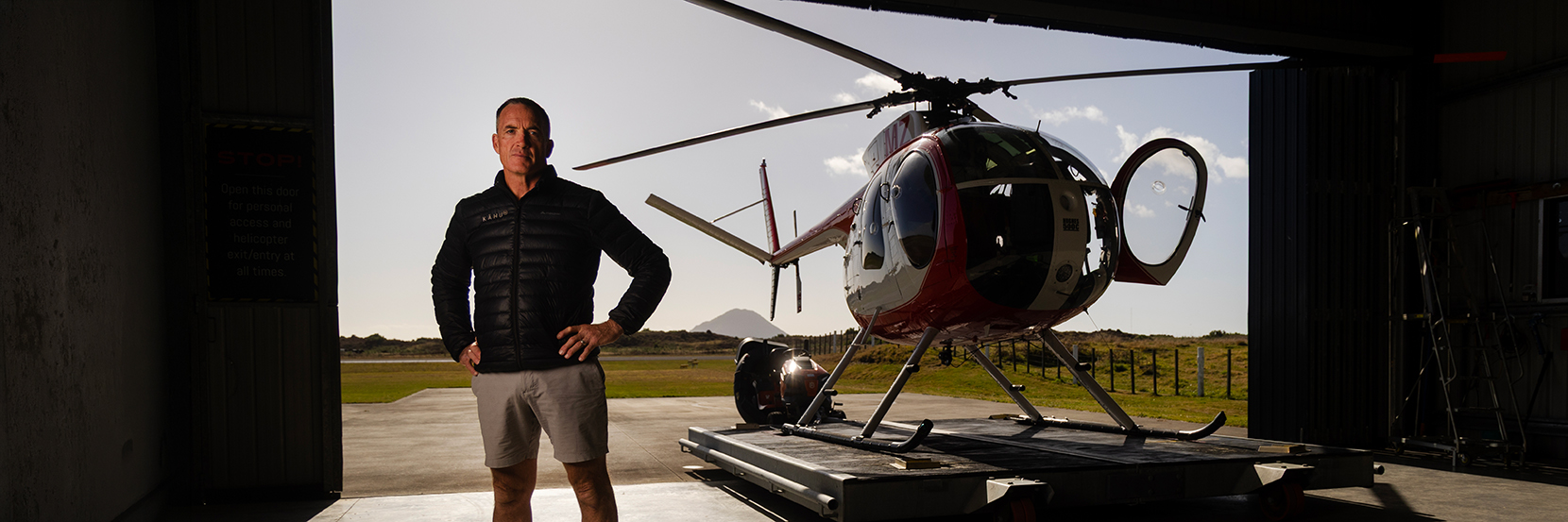
From a career in the SAS to his role in the Whakaari White Island eruption rescue, Mark Law shares his fascinating stories.
What made you join the military?
Grandad who lived next door to us had been to WWII; my other grandfather was a prisoner of war. Neither of them was big on chit chat, but I was always trying to dig up more stories from them. All the people I met who’d been in the army seemed to have interesting stories.
I always had a fascination with the Special Forces and the top end of soldiering. I thought those sorts of people were extraordinary.
Where were you deployed while in the SAS?
During my time with the SAS, New Zealand didn’t send any troops to war, but we did go to Australia, Malaysia and the Pacific Islands for training.
A highlight was being sent to Ecuador. During SAS training the toughest environment is the jungle. Six of us went along with the English SAS who were training with the Ecuadorian special forces. The coolest thing was coming across local tribespeople, just existing in the jungle.
When did you start flying?
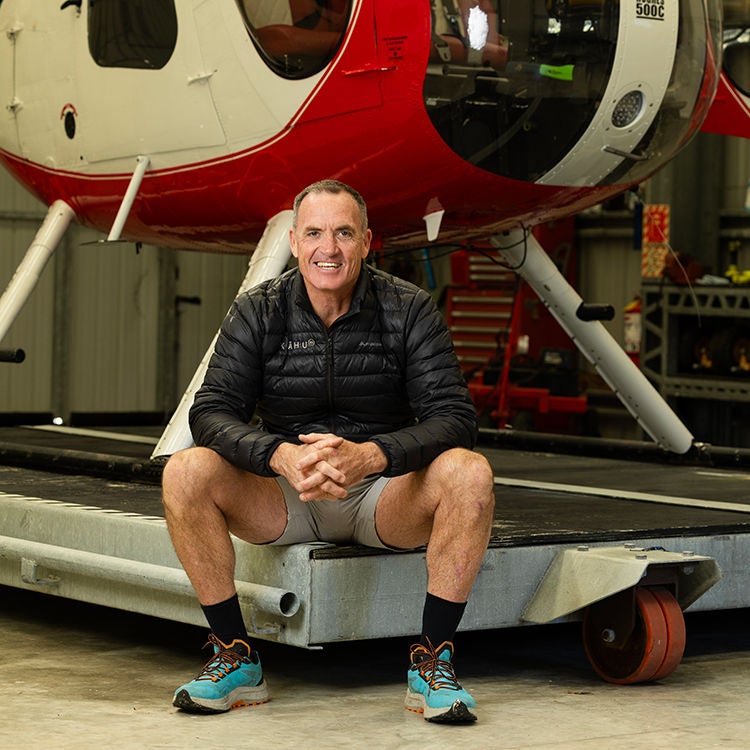
When I was growing up, Dad got into deer farming and part of that involved catching wild deer so he could build a herd, which he did with helicopter hunting. It was a small group of people doing a unique job with a huge amount of skill and risk.
I was about 22 when I started flying. When I was in the regiment, we were just down the road from the flight school at Ardmore. I had a Hilux, which I sold and used the cash to pay for my pilot’s licence.
What was your time like working in private security?
After the SAS I worked in private security for two years. The first year was in Angola during a full-on war supporting De Beers; I was looking after guys who were buying diamonds. We were flying cash to buying houses and bringing diamonds back. It was very lawless with lots of violence.
I’d spent the previous years working with groups of really capable guys, but it was suddenly just me, some guards I never trusted and a couple of expats. It was hard going. Especially since everyone knew we were moving a lot of diamonds and a lot of cash, so we were high profile targets.
Then I spent a year in Albania, which was in turmoil. People had been oppressed for so long it was difficult for them to trust anyone. One time we were down by the Greek border, scoping in case things turned to crap and we couldn’t get our expats out by the normal channels. I was in a little café, and my translator told me that the people there were saying it was the first time they’d ever seen a Westerner. This was in 1998.
What did you do when you came back to New Zealand?
I worked in Albania until I had enough cash to buy my own helicopter and come back to New Zealand. I set up the business that was initially called Bushland Helicopters, then Frontier and finally Kāhu, as it’s known today.
Tell us what happened with the Whakaari White Island eruption.
On the day of the eruption (December 9, 2019) I was driving down the Whakatāne coast, and I saw the dark plume. Then the phone calls started with people saying there’d been a significant eruption. Thankfully both of our bigger aircraft were in the hangar. We knew that another pilot was out on the island with a helicopter and we were initially just going to help him.
As I flew out to the island everything was grey. It looked like a ski field with a fresh dump of snow, everything was smooth. I circled around the crater and thought I saw a person lying on the ground.
What was your plan?
I soon picked out about 20 people, mostly in one area. Once I landed, I worked my way around, checking people’s airways, putting their gasmasks back on. It quickly became apparent that some people were already dead, some were dying, some were crying out for help, and there was still a lot of activity going on with the volcano. It was very loud.
At that point we heard from John, another pilot flying above, that no-one else was coming to help.
We managed to get 12 people off the island. We were going back for the last lot when we got stood down.
There were still eight people left on the island who had passed away.
We got back to Whakatāne and there were a whole bunch of helicopters and the Air Force, and you assume, being New Zealand, that these guys would go and get them. We at least thought people would talk to us to get information about where they could land on the island. But once it was determined that there was no one left alive the decision was made not to recover people.
We were really upset about the whole thing.
Despite being awarded the New Zealand Bravery Star for your efforts, Kāhu was subsequently investigated by WorkSafe New Zealand and fined for health and safety violations. How did that happen?
Their investigation (was for a period) three years prior to December 9, 2019 to the time of the eruption but never investigated anything else. We hadn’t had anyone on the island (when it erupted), but we were still lumped in with everyone else. They came up with a charge that, somehow, we’d failed to keep our staff safe and our visitors safe.
The saddest part was that the senior investigator for the aviation part of things could find no wrong with us. They submitted that, but it was overturned further up the chain.
The whole thing was a travesty.
Rather than pay the initial $3 million charge and risk losing your business, you opted to plead guilty in 2024 and were fined $196,000. Have you paid that?
No, I haven’t. The judge gave us five years to pay it off and I still haven’t paid a cent. It’s hard case; we got fined and the next day the collections department called and asked if I was ready to make the payment, and I said, “I don’t know about you, mate, but I don’t have $200,000 sitting in my back pocket!”
That’s when Ron (Crosby) came along and suggested we write a book to make some money to help pay the fine.
Do you have any regrets about going to Whakaari?
No. But I’ve got a big regret that I didn’t go back.
This story is from the Spring 2026 issue of AA Directions magazine.