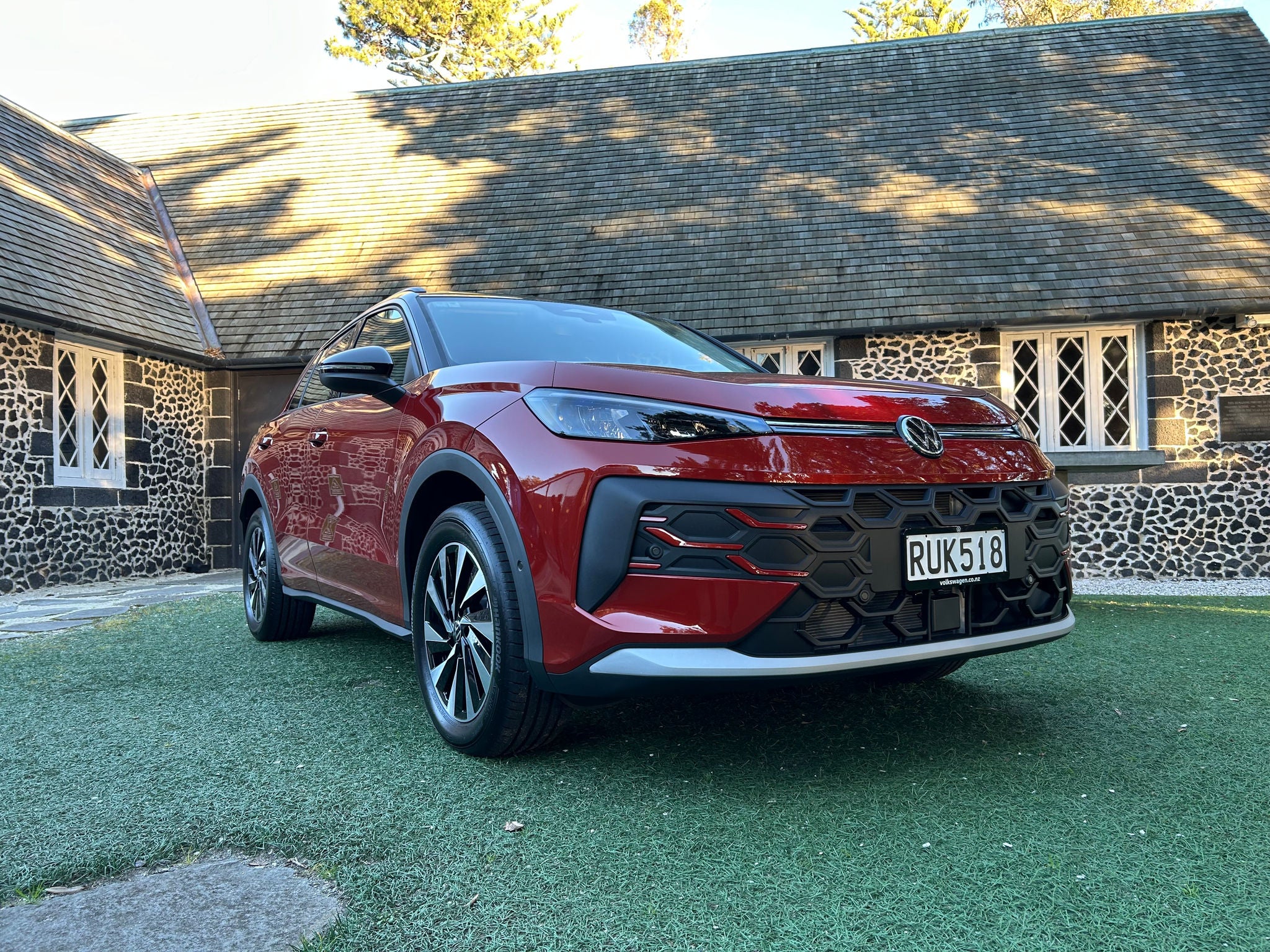
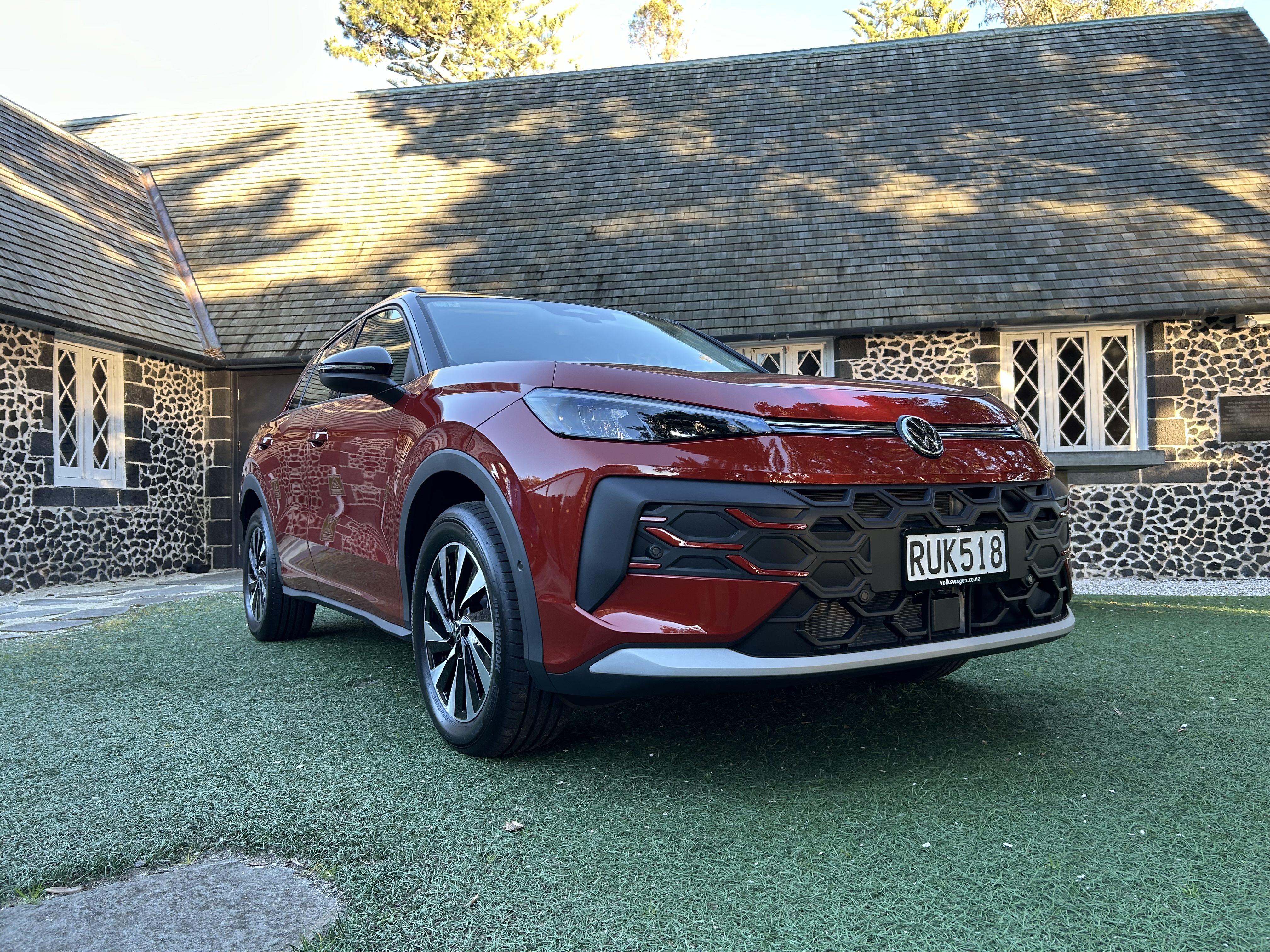
Front three-quarter view of a red Volkswagen SUV parked on a grassed area in front of a historic dark-stone building with a steep shingled roof and tall white-framed windows. The vehicle's grille, headlights, alloy wheels, and front license plate are clearly visible. Sunlight and tree shadows fall across the roof and the car, creating a bright outdoor setting.

2026 Volkswagen T-Roc Mild Hybrid 

Allister Wade

By Allister Wade
Allister Wade is AA Motoring’s Technical Support Lead, known for no-nonsense, real-world advice backed by over three decades in the motoring industry . A regular on radio and TV, he helps Kiwis make smarter calls about car care, safety, and what actually matters behind the wheel.

10 August 2026

The Volkswagen T-Roc is the SUV equivalent of the ever-popular Golf, combining European driving manners with everyday practicality. Now, Volkswagen has given the T-Roc a significant update for the New Zealand market, introducing the brand's first locally available mild-hybrid powertrain. The result is a more efficient compact SUV that feels familiar yet brings a new level of technology and refinement to the table.

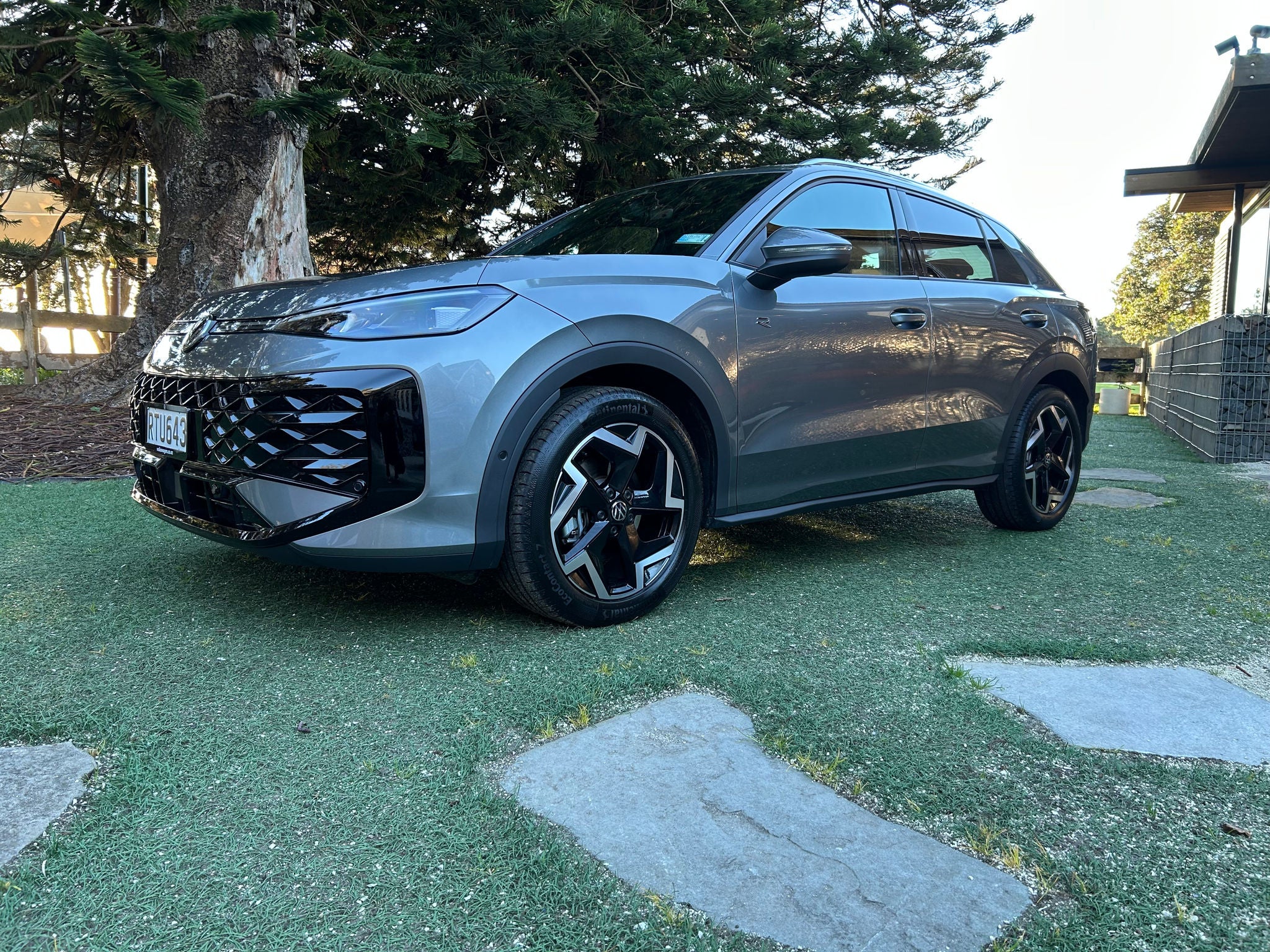
Front three-quarter view of a silver Volkswagen SUV parked on a grass-covered area beside large evergreen trees. The vehicle features a prominent black geometric grille, LED headlights, black alloy wheels, and tinted windows. Stone pavers are visible in the foreground, while a modern building and landscaped garden area appear in the background. The scene is lit by natural daylight, highlighting the SUV's metallic paint finish.
Silver Volkswagen SUV Displayed Outdoors Among Trees

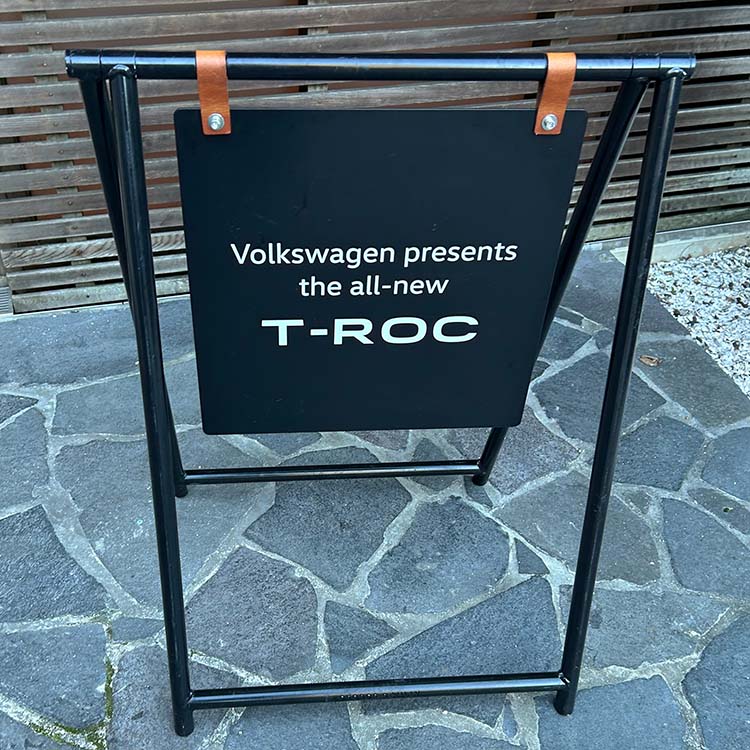
To launch the new model, Volkswagen chose Auckland's stylish Azabu restaurant in Mission Bay. Parked alongside the venue's impressive stone exterior, the T-Roc certainly made a statement. Whether that was an intentional play on the T-Roc name or not, it worked.

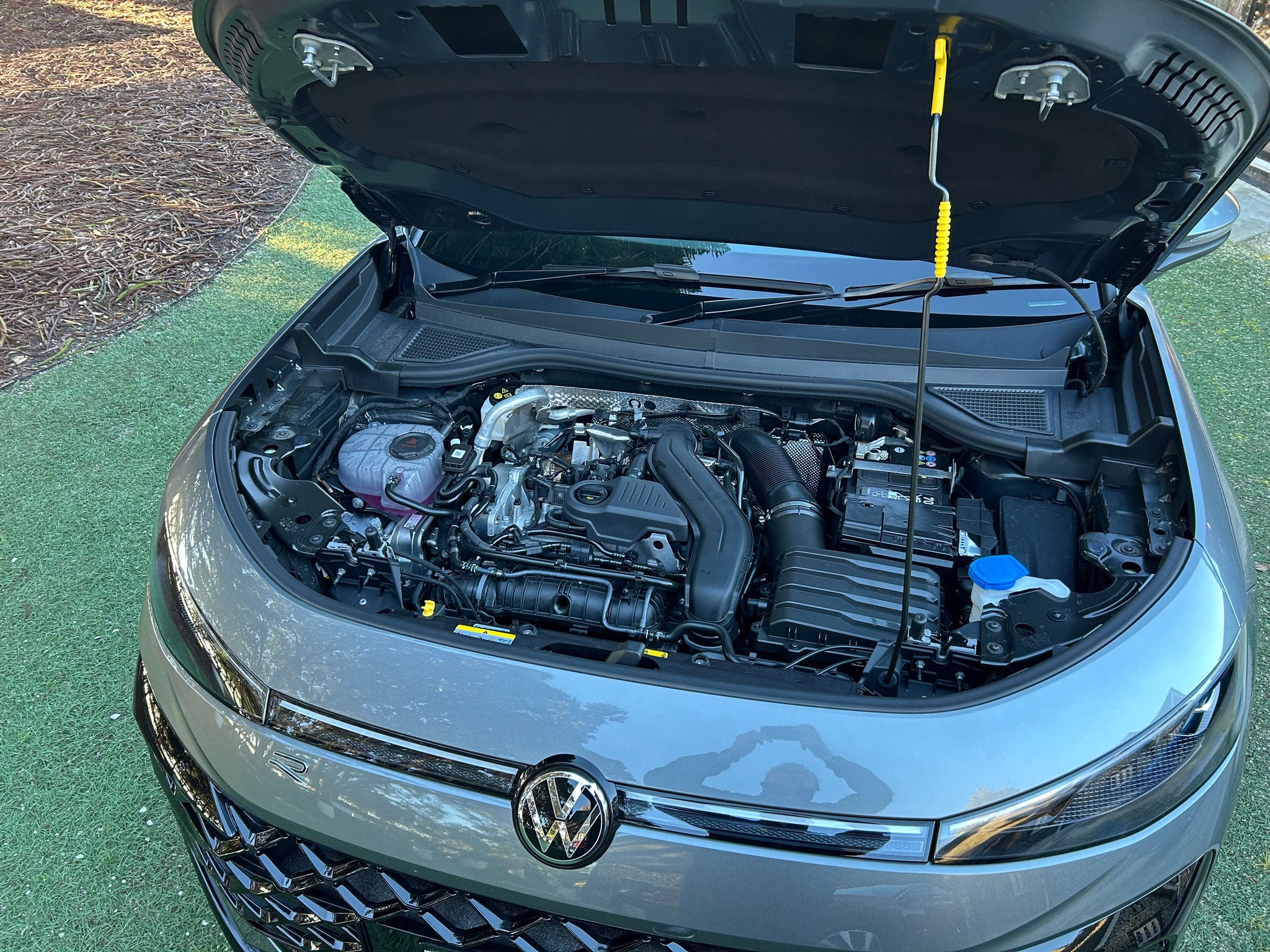
Setting off through Auckland's afternoon traffic towards Manukau quickly highlighted what Volkswagen's engineers have been working towards. The new 1.5-litre turbocharged four-cylinder engine is paired with a 48-volt Lithium-ion mild-hybrid system, allowing the vehicle to intelligently manage power delivery depending on driving conditions.

In heavy stop-start traffic, the technology is fascinating to observe. The engine switches seamlessly between four cylinders to two cylinders under lighter loads, and even entering a coasting mode where it effectively shuts down to save fuel. The transitions are almost unnoticeable, and the system constantly works in the background to maximize efficiency.

Under the bonnet sits Volkswagen's familiar 1,498cc turbocharged petrol engine, producing 110kW between 5,000-6,000rpm and 250Nm of torque from just 1,500rpm through to 3,500rpm. Power is delivered through Volkswagen's seven-speed DSG automatic transmission, driving the front wheels.

Volkswagen claims combined fuel consumption of just 5.6L/100km and CO₂ emissions of 126g/km, impressive figures for a practical family SUV. During urban driving, it's easy to see how the technology contributes to those numbers.

Performance is smooth and refined rather than exciting. The strong low-down torque means the T-Roc feels responsive around town and comfortable at motorway speeds.

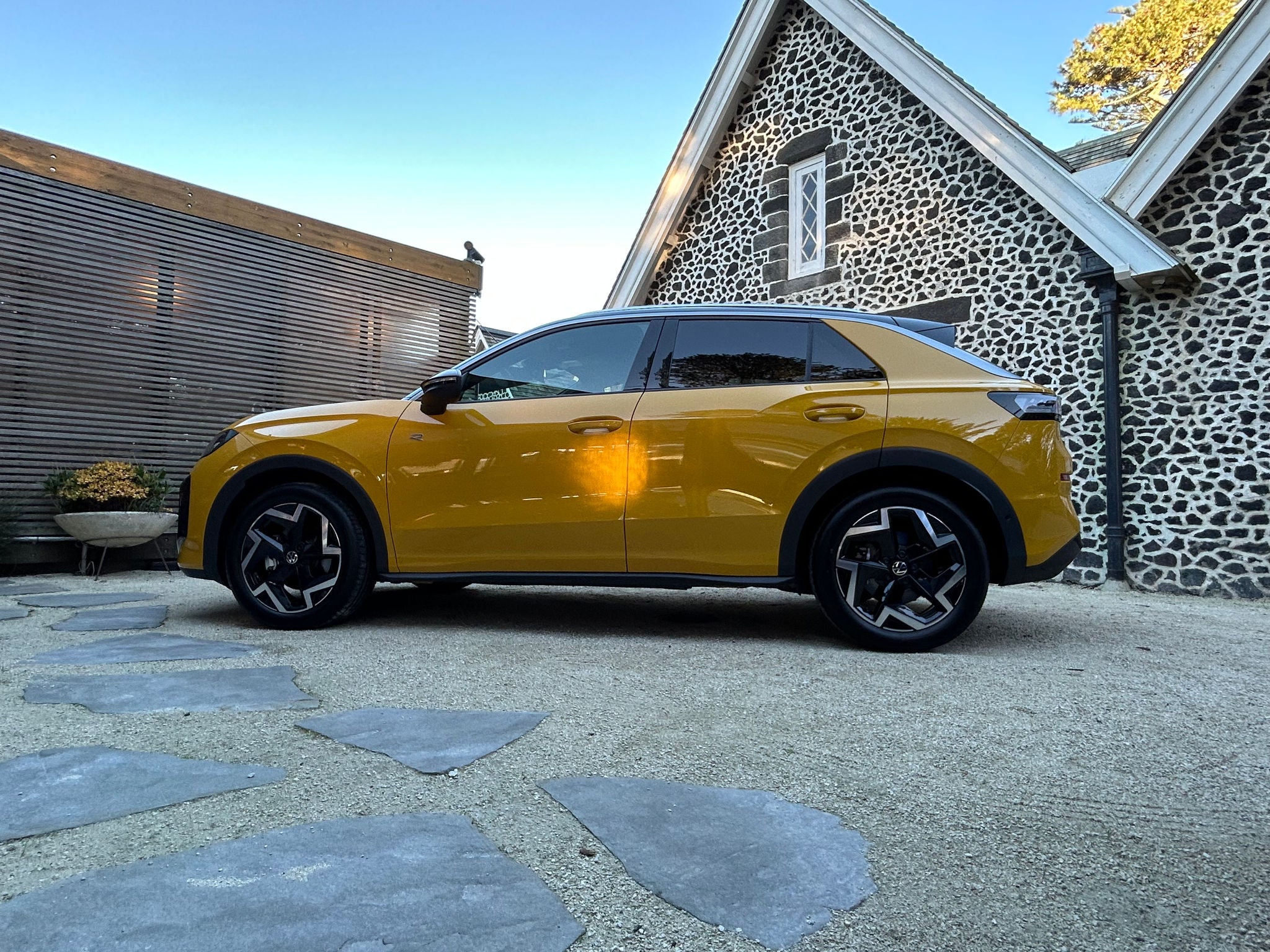
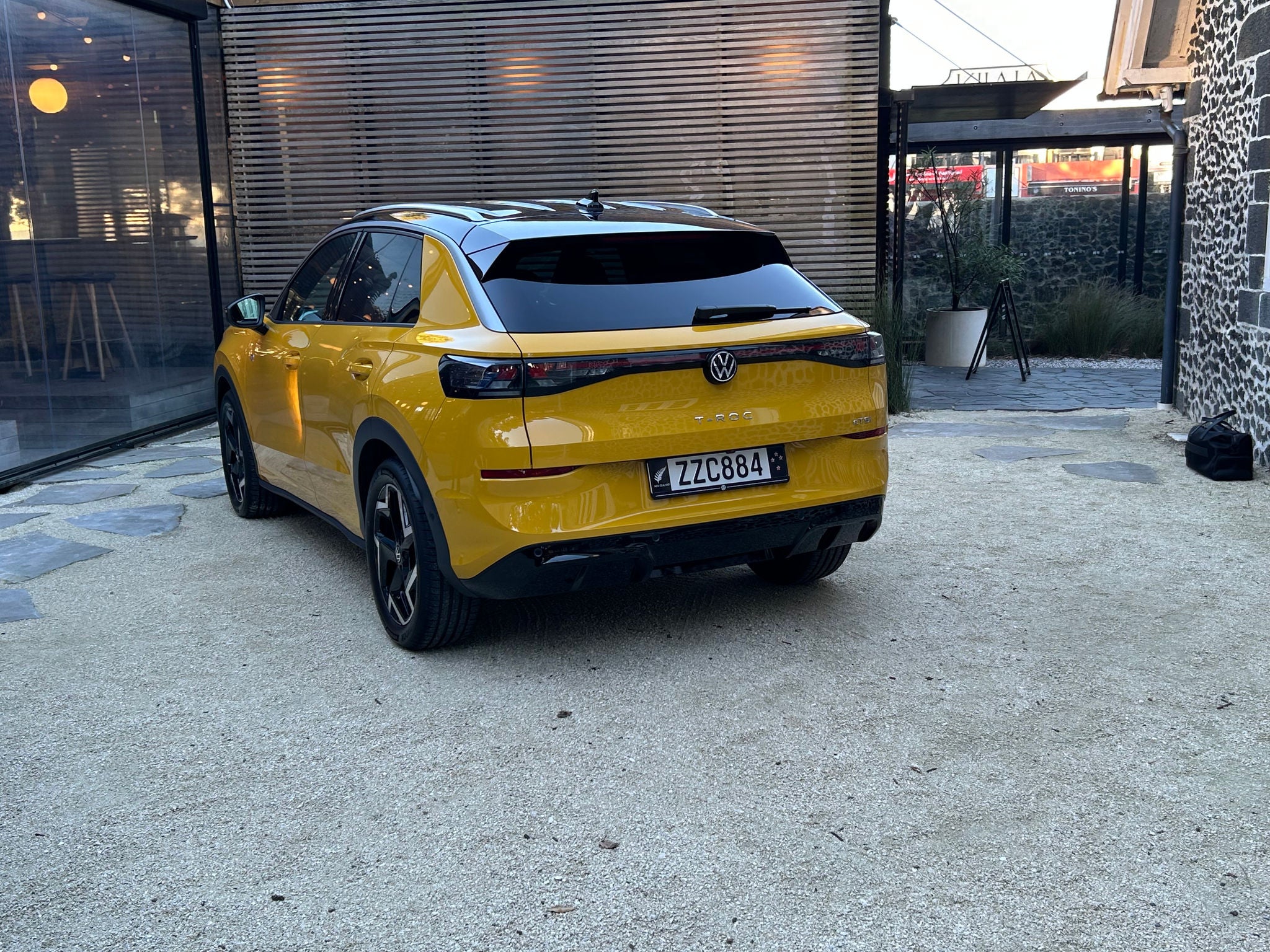
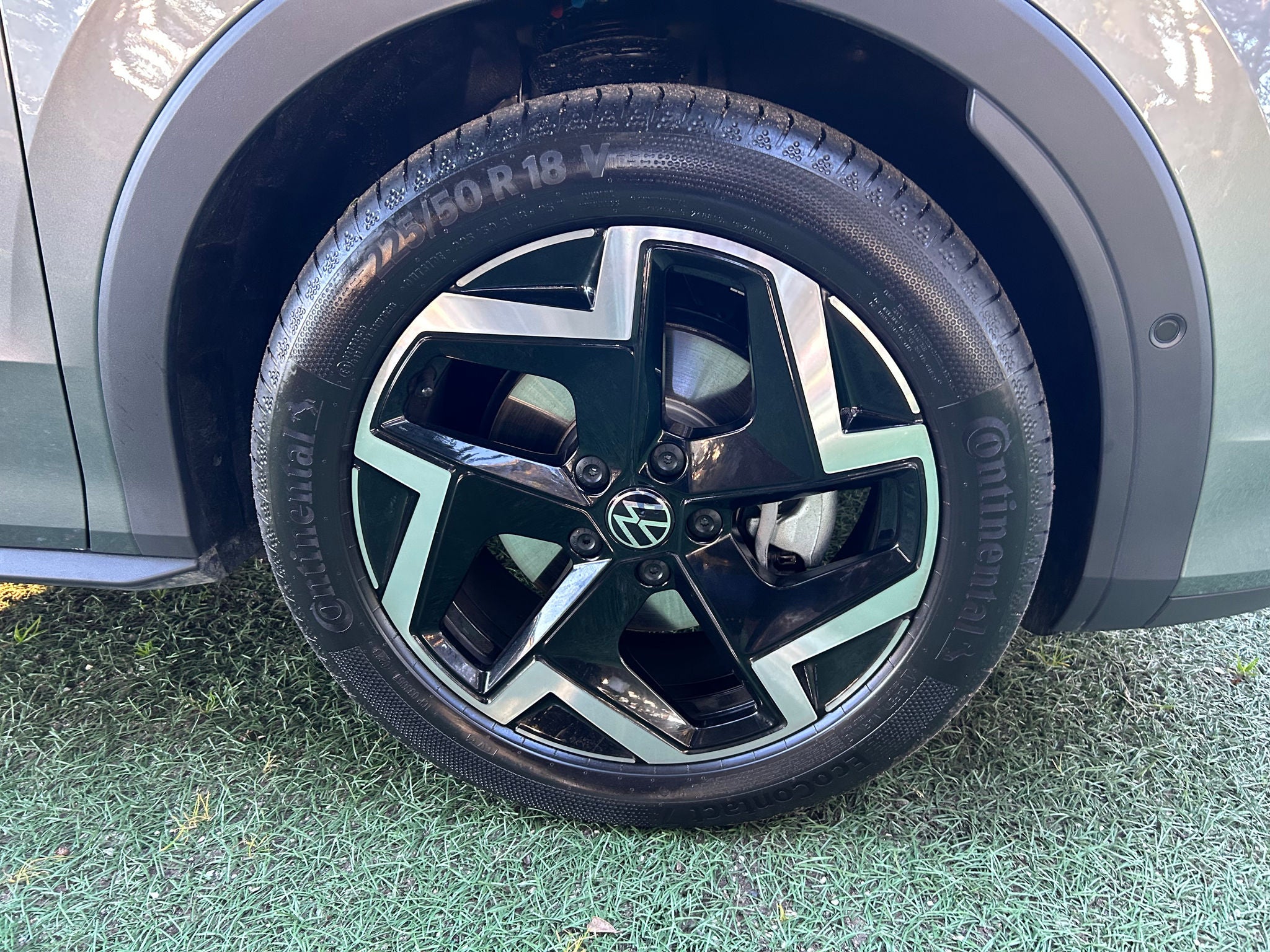
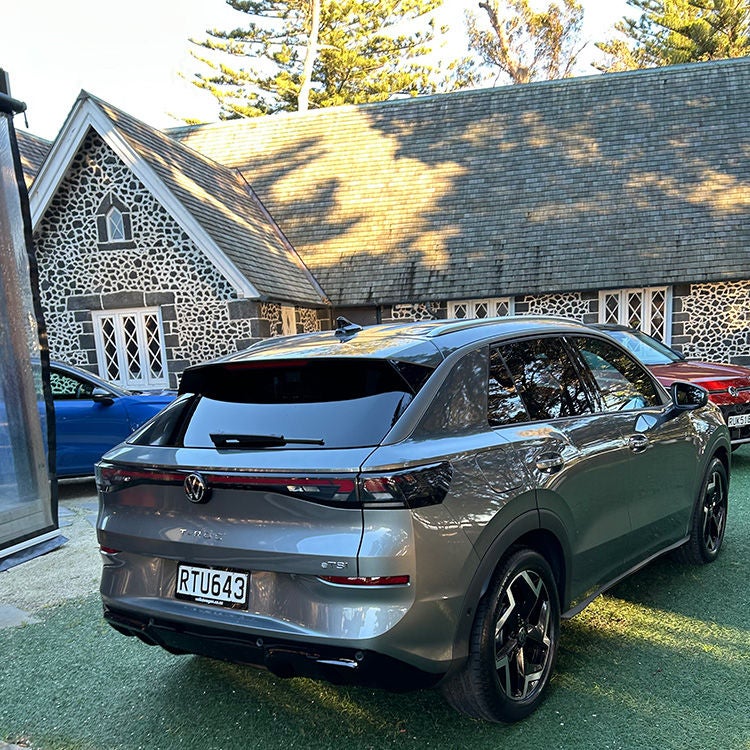
Visually, Volkswagen has given the new T-Roc a more confident appearance. The updated model is 12cm longer than its predecessor and features a cleaner front end design, distinctive bumpers, and stronger body lines that enhance its road presence. It looks more mature and premium than before, helping it stand out in an increasingly crowded SUV market.

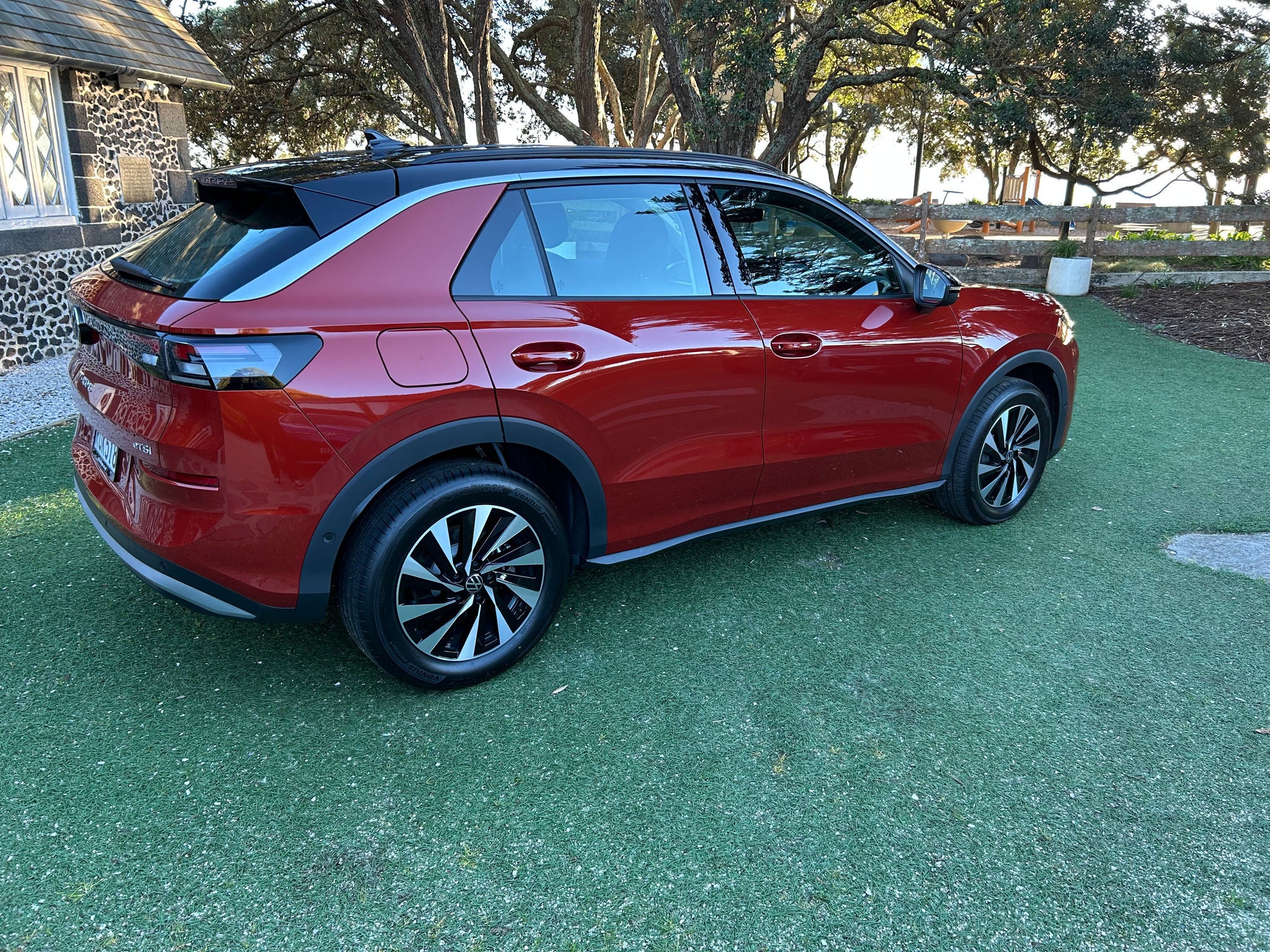
Buyers looking to add personality have plenty of colour choices available, including Wolf Grey Metallic, Flame Red Metallic, Celestial Blue Metallic, and the standout Canary Yellow. Optional contrasting black roof options further increase customisation possibilities but do come at a cost.

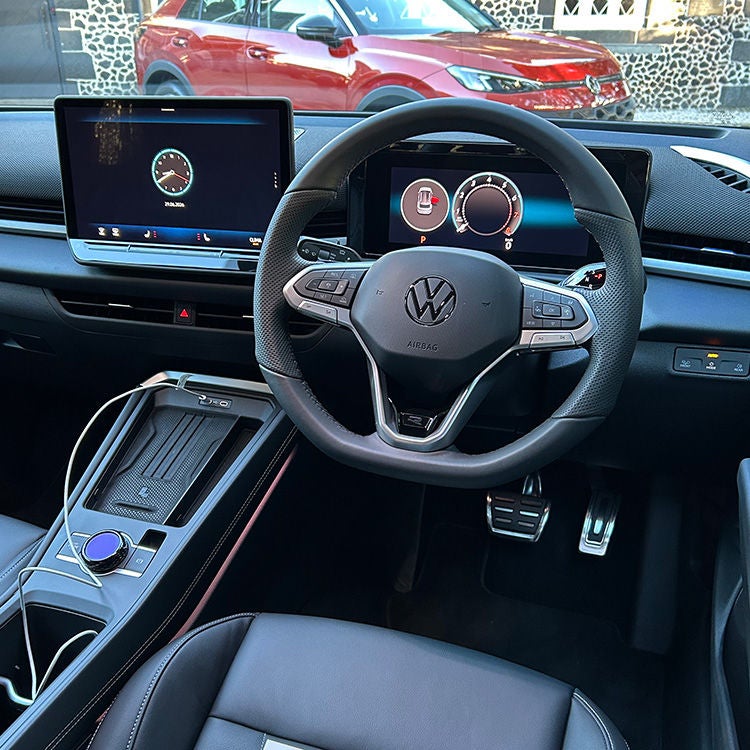
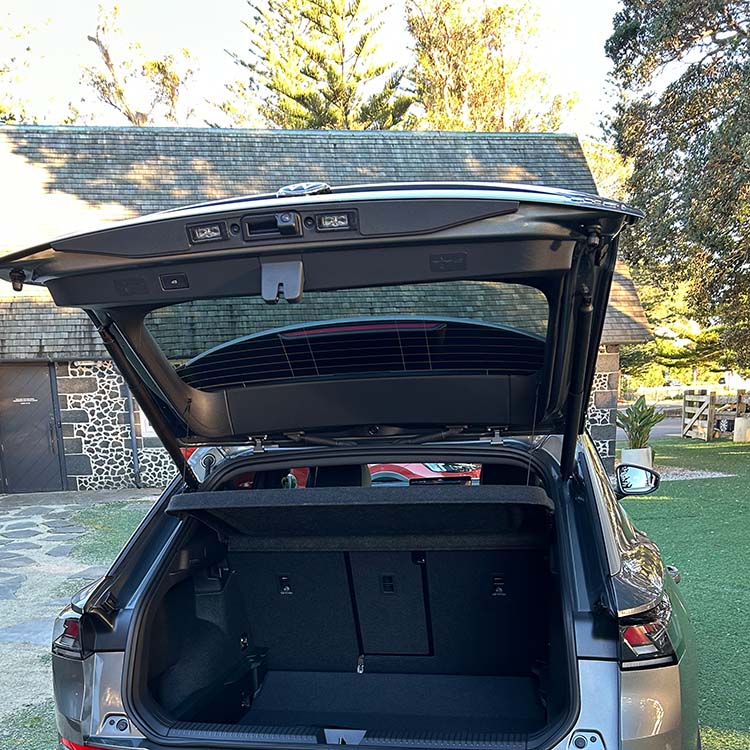
Inside, the cabin continues Volkswagen's reputation for solid build quality and sensible design. Passenger space feels generous, particularly in the rear, while luggage capacity is impressive for the segment. With the rear seats upright, the T-Roc offers 475 litres of cargo space. Fold the seats down and capacity expands to 1,350 litres, making it more than capable of handling family duties or weekend adventures.

Technology is another strong point. Dominating the dashboard is a 12.9-inch touchscreen infotainment system featuring Apple CarPlay, Android Auto and Volkswagen's new IDA voice assistant. Activated simply by saying "Hello IDA", the system can control navigation, phone functions, contacts and media settings. More impressively, it understands natural language commands. Tell the vehicle "I'm cold" and it can automatically adjust the climate control, making interaction feel far more intuitive than many competing systems.

Crossover SUV in front of wooded background

Volkswagen has also made strides in sustainability, incorporating up to 40kg of recycled materials into every T-Roc. It's a small but welcome step as manufacturers continue their journey towards more environmentally conscious production methods.

Ownership should provide peace of mind, with Volkswagen backing the T-Roc with a five-year or 150,000km mechanical warranty, whichever comes first, along with five years of Volkswagen Roadside Assistance.

Pricing starts at $53,990 for the T-Roc Life, while the T-Roc R-Line Launch Edition is priced from $65,990.

Verdict

The new T-Roc feels very much like a Golf that has gone to the gym. It retains the solid driving characteristics and quality feel Volkswagen is known for, while offering more space, a higher driving position and improved efficiency. The mild-hybrid technology works exceptionally well in everyday driving, although those seeking stronger performance may find it lacking a little punch.

Pros Cons
Spacious and practical interior Mild-hybrid powertrain lacks a little grunt
Excellent fuel efficiency Requires a minimum of 95 RON fuel
Refined and intelligent hybrid technology