What happens to EV batteries at the end of their life?
28 July 2026
We investigate the problems and opportunities for EV battery recycling in New Zealand.
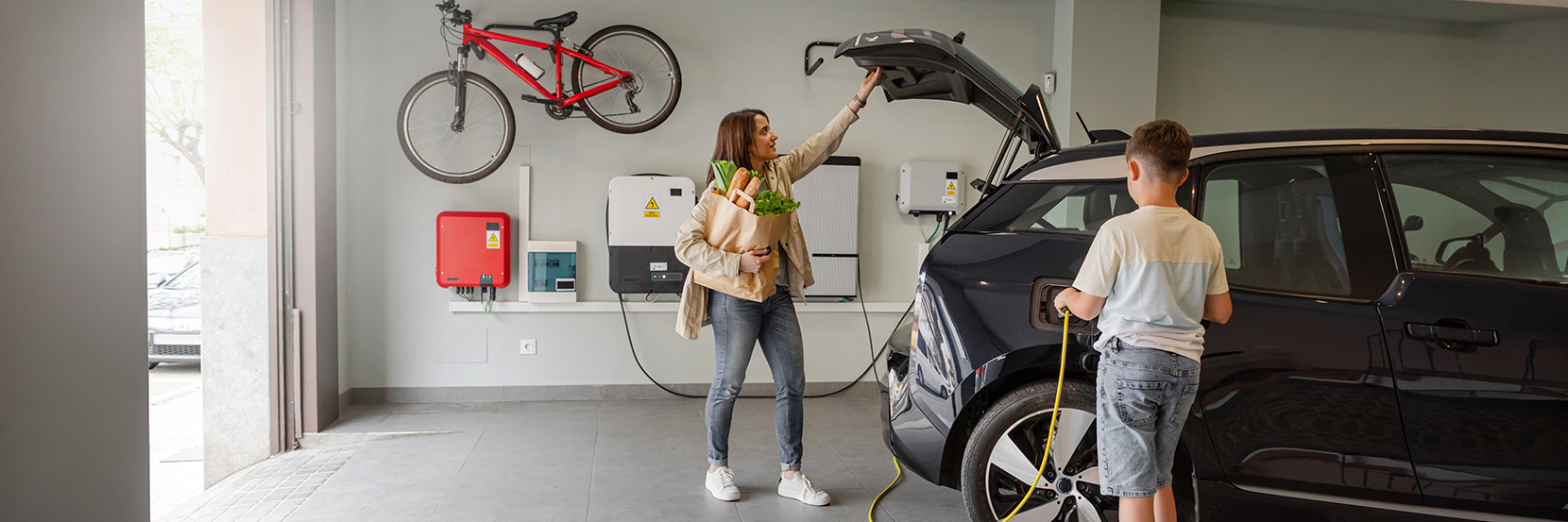
How much will owning an EV affect your power bill? James Foster of EVBD investigates.
If you buy an electric vehicle (EV) and charge it at home, what happens to your monthly power bill? Will you get a nasty surprise or can you predict power usage?
In most households, typical electricity use divides roughly into thirds: heating the house, heating water, and everything else (fridge, cooking, laundry, lighting). This is true for the majority of New Zealand households that use electric heating, however, a proportion use gas or a wood burner for heating.
If you have access to a standard household three-pin socket, you can also charge an EV at home.
Some back-of-the-envelope maths can provide an answer.
First, determine your per-unit energy price (tariff or rate). Electricity units are measured in kilowatt-hours (kWh). Look at your power bill and locate the price per kWh. It will be something like 36.2 c/kWh or $0.36/kWh.
Second, estimate how many kilometres you drive each month. Let’s say you drive 35km per day (around 1,000km per month).
Third, how much electricity will an EV consume per kilometre? Like any type of car, some models use more energy, some less. A hatchback or sedan uses less electricity than a large SUV. Rather than worrying about the finer details, use a rule of thumb: 5km per kWh.
EV energy consumption can vary substantially between summer and winter, open road and suburban driving. The 5km per kWh figure is conservative to account for these variations.
Now, the maths. If electricity costs $0.36 per kWh, and the EV does 5km per kWh, then each kilometre costs 7.2 cents (electricity price ÷ km per kWh). Our 1,000 km per month of EV driving will use $72 worth of electricity.
If you don’t currently use much power, this can be a big change (adding 200 kWh of usage per month). But if the EV replaced a petrol car, then it’s a shift in expenses.
There are two factors in predicting EV charging cost: the amount of kilometres you drive, and the unit price you pay for electricity.
Fortunately, there is flexibility around electricity prices. While changing power providers can be frustrating, getting an EV is the perfect time to review your supplier. Online tools like Billy use your previous usage to predict the lowest-price power plans. However, once you get an EV the way you use power might change.
Most EVs can be programmed to charge at any time, taking advantage of time-of-use power plans. These plans apply different rates depending on the time of day, with night rates often being half price. Programme your EV to start charging when your half-price rate kicks in (typically 9pm or later). It doesn’t matter when you plug in; it won’t charge until the scheduled time.
Many dishwashers and dryers also have delayed starts. Cut costs further by installing a hot water timer and avoid heating your water during expensive daytime or peak rates.
Solar installations in New Zealand have doubled in the last four years. Solar panels feed power into your home switchboard, meaning any EV can be charged from solar. The car must be present during sunlight hours so for some this may only leave weekends for solar charging.
The median price of an installed solar system is $15,000. This is a big capital outlay but, in context, it’s 1.7% of the average New Zealand house price. Solar has allowed some EV owners to have very low charging costs during summer – and the system acts as a hedge against future power price rises.
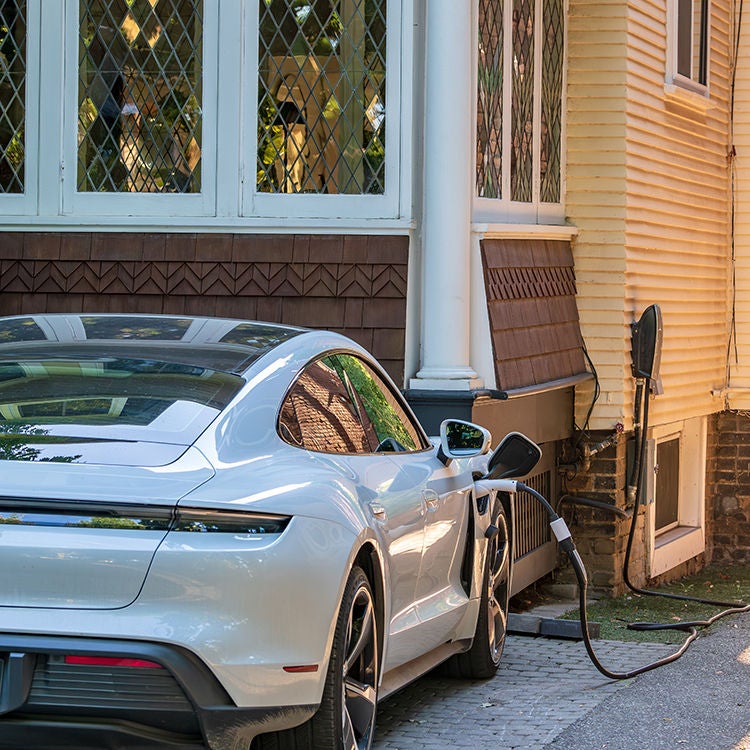
Wall-mounted chargers (installed in a garage, outside wall or pedestal) include features like home overload protection, faster charging, and scheduled charging – compatible with any EV.
Some chargers include a solar matching feature. Charging speed varies depending on how much sun is available, using as little grid electricity as possible.
Between power retailers, chargers and solar, there’s a lot to consider. Shifting from a petrol car to one with a plug can seem daunting but for most owners, plugging in becomes normal very quickly.
EV charging makes up a big portion of household electricity consumption, but with planning and research, the impact can be managed. It takes some experimentation, and possibly a change of power providers, but may also lead to savings in how you use power overall.
This story is from the Winter 2026 issue of AA Directions magazine.