
WoF rule changes: what you need to know
21 September 2026
The WoF rules in New Zealand are changing. We explain what this means for you.

We explain how New Zealand's fuel supply chain works and how we can manage the impact caused by global conflict.
New Zealanders have become used to fuel prices rising and falling with global events, but the recent spike feels sharper and more unsettling than most. The reason lies well beyond our shores – in geopolitics, global supply chains, and the unique way fuel pricing works its way to the pump.
Around 20% of the world’s oil supply normally passes through the Strait of Hormuz, a narrow shipping lane between Iran and the Gulf states. The recent conflict involving Iran, and the closure of the strait, removed around 15 million barrels per day from global supply almost overnight.
For New Zealand motorists, the impact is indirect but real. We don’t buy crude oil straight from the Middle East, but the shock travels rapidly through global markets. When such a large share of supply is disrupted, prices rise everywhere as buyers compete for alternative barrels. Fuel is a globally traded commodity, and no country is immune to that price signal.
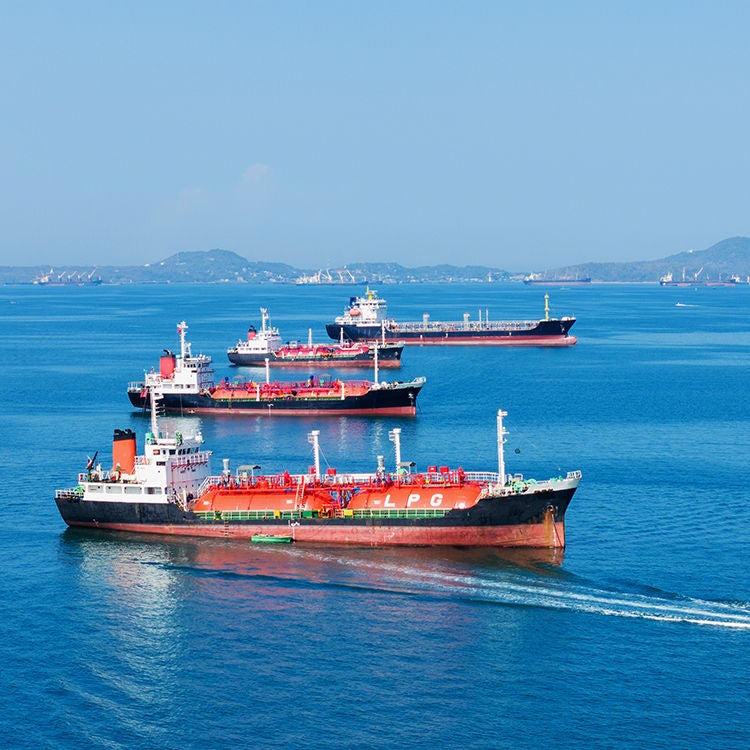
New Zealand’s fuel supply chain comes primarily via Asia. Most of our petrol, diesel and jet fuel is imported as finished product from regional refining hubs as we no longer refine locally. Current supply sources include:
Marsden Point, now an import terminal rather than a refinery, handles around 40% of the country’s fuel supply, with diesel cargoes arriving every four to five days in normal times.
This diversity provides resilience, but those Asian refineries are themselves heavily exposed to Middle Eastern crude. When Hormuz supply is disrupted, Asian refiners feel the shock first – and so do countries like New Zealand that rely on them.
To a degree, yes – but only temporarily. Asian refiners can adjust cargo flows, tap alternative crude sources, and draw down inventories. That flexibility helps avoid physical shortages, which is why fuel has remained available in New Zealand.
However, it does not shield us from price increases. Asian spot markets, particularly Singapore, act as the pricing benchmark for New Zealand fuel. When demand surges and supply tightens, prices rise quickly. The market’s job is to ration scarce supply through higher prices, and it does that very efficiently.
In short: diversification protects availability more than affordability.

Fuel security is not just about volumes in tanks, it’s about who needs fuel the most.
New Zealand operates a deregulated fuel market, but importers must meet Minimum Stockholding Obligations (MSO), ensuring several weeks of cover for petrol, diesel and jet fuel. At the national level, the Government also meets its International Energy Agency (IEA) obligation to hold 90 days of net oil imports, partly through offshore stock “tickets”.
In a severe supply disruption, priority would go to critical services:
Consumers feel this system mainly through price rather than rationing. High prices discourage non‑essential use and help keep fuel available where it is most needed.
Diesel prices have surged far more sharply than petrol. In early April, Singapore diesel prices briefly quadrupled, reaching more than US$350 per barrel, while petrol rose much less dramatically.
There are several reasons:
When supply is tight, diesel is bid up first – and hardest.
Many drivers notice that fuel prices seem to rocket up overnight, but drift down painfully slowly. This isn’t just perception.
Fuel sold in New Zealand today was typically purchased weeks earlier, often at then‑current international prices. When prices spike, new (more expensive) cargoes replace cheaper stock quickly, pushing pump prices up fast. When global prices fall, retailers must first work through higher‑priced inventory already in the system.
The result is fast upward price movement and slower downward adjustment – a classic lag effect in commodity markets.
The IEA has responded with its largest ever coordinated stock release – 400 million barrels – to stabilise markets and buy time for supply chains to adjust. That action helps prevent shortages, but it cannot instantly reverse high prices.
Fuel prices will ultimately depend on whether geopolitical tensions ease and whether global supply routes normalise. Until then, New Zealanders are likely to face continued price volatility, especially for diesel.
The key reassurance is this: supply remains secure, even if it is expensive. The global fuel system is under strain, but it is still functioning – and that is exactly what those high prices are warning us about.
You can now get a better understanding of how much your road trips cost with AA’s new Trip Tracker function.
Built into the recently launched AA app, the Trip Tracker shows how long your journey will take as well as a cost estimate based on your vehicle details and the current fuel or electric charging price.
Escalating fuel prices are prompting Kiwi to consider the cost of every car trip, as well as distance and time. Using the Trip Tracker can help you understand how much your trip to the store or across town will cost and evaluate alternatives.
Simply input your journey from point A to point B, your number plate and which fuel you use into the Trip Tracker. There is an option to adjust the price of fuel based off your local service station or use the average price within the app.
For EV drivers, the app shows the average price per kW of electricity available at charging stations.
Trip Tracker also advises the average carbon emissions for your journey, giving you insights to support a lower emission lifestyle.
Trip Tracker is available on the new AA app, now free to download from the App Store and Google Play store.
This story is from the Winter 2026 issue of AA Directions magazine.