Road rules: what is a sharrow?
11 November 2026
We explain what sharrow road icons mean and how you should use them when driving.
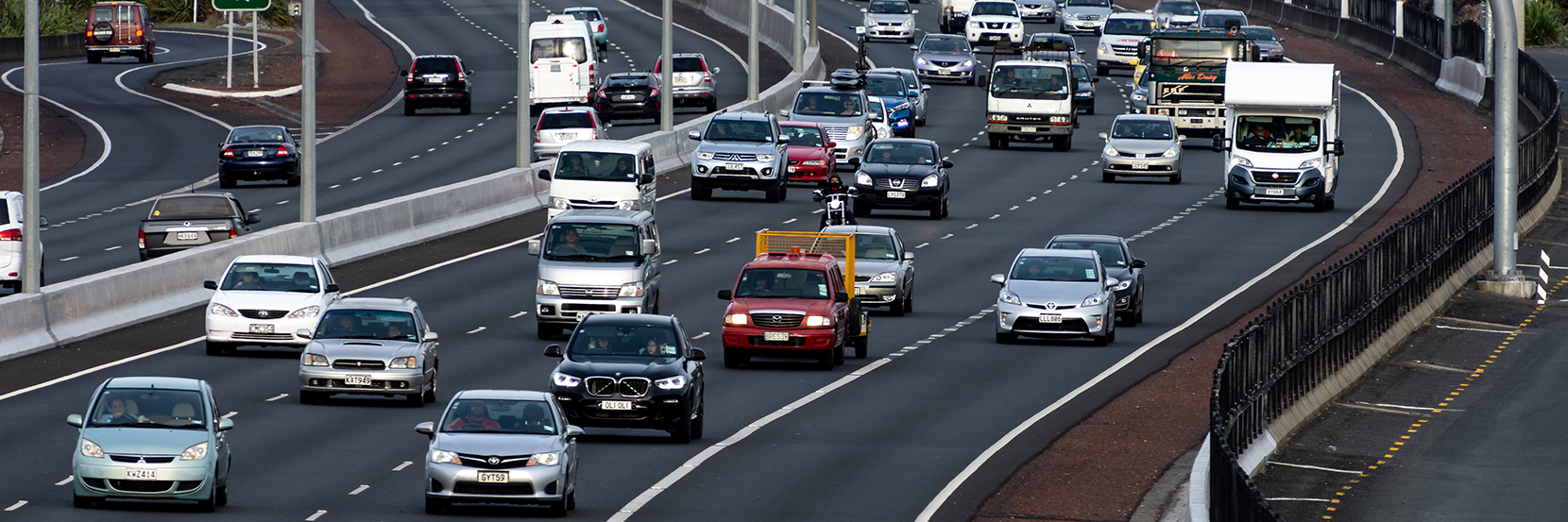
A slow driver in the right-hand lane can test anyone’s patience, but the wrong response can create a safety risk. We explain the road rules around overtaking, including keeping left unless passing, safe following distances and legal passing manoeuvres. Small driving decisions can influence traffic flow, reduce conflict and help prevent avoidable crashes on busy roads.
Two cars are travelling along a multi-lane motorway. One driver remains in the right-hand lane, more slowly than surrounding traffic, despite having room to move into the left-hand lane. Behind, another driver is becoming increasingly frustrated.
“Why won’t they move over?”
Up ahead, the slow driver thinks: “Why are they so close? I’m not moving for someone driving like that.”
Neither driver knows what the other is thinking. Yet their next decision could turn an everyday frustration into a dangerous encounter.
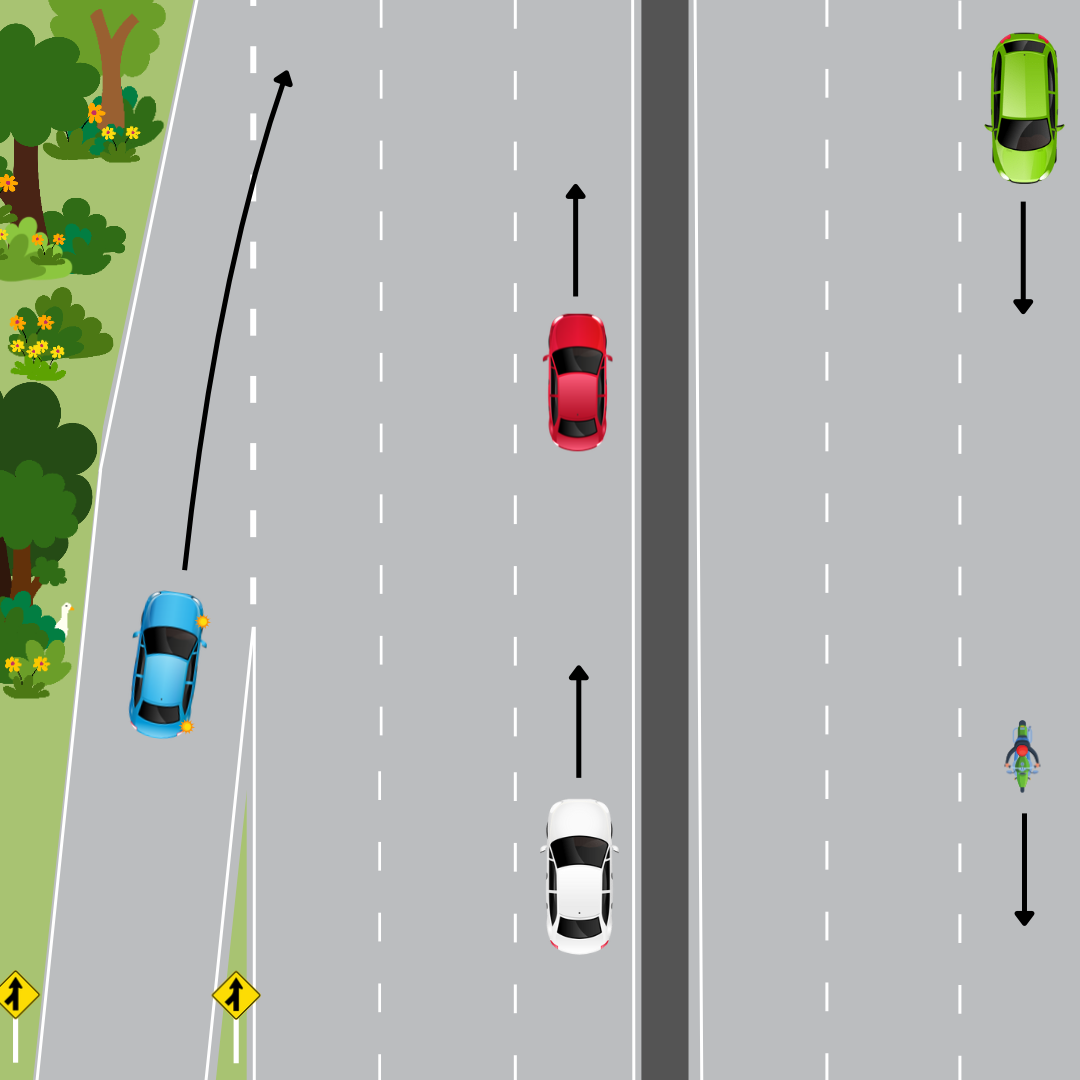
Perhaps this driver has finished overtaking and forgotten to move back. Perhaps they feel more comfortable in the right-hand lane or believe that travelling at the speed limit means they can stay there.
NZTA’s motorway guidance is to keep left unless passing. The right-hand lane is not a ‘fast lane’ that permits speeding and driving within the speed limit does not remove the need for appropriate lane use.
When the driver notices the car behind, there is an opportunity to reduce the tension: look ahead, check mirrors, signal, check the blind spot and move to the left when a safe gap is available.
What could make matters worse? Deliberately staying alongside another vehicle to prevent passing. Accelerating when the following driver tries to overtake. Braking to ‘teach them a lesson’. Or moving left abruptly without checking whether the other driver has already entered that lane.
The aim should be to create space and predictability. Nobody needs to win the encounter.
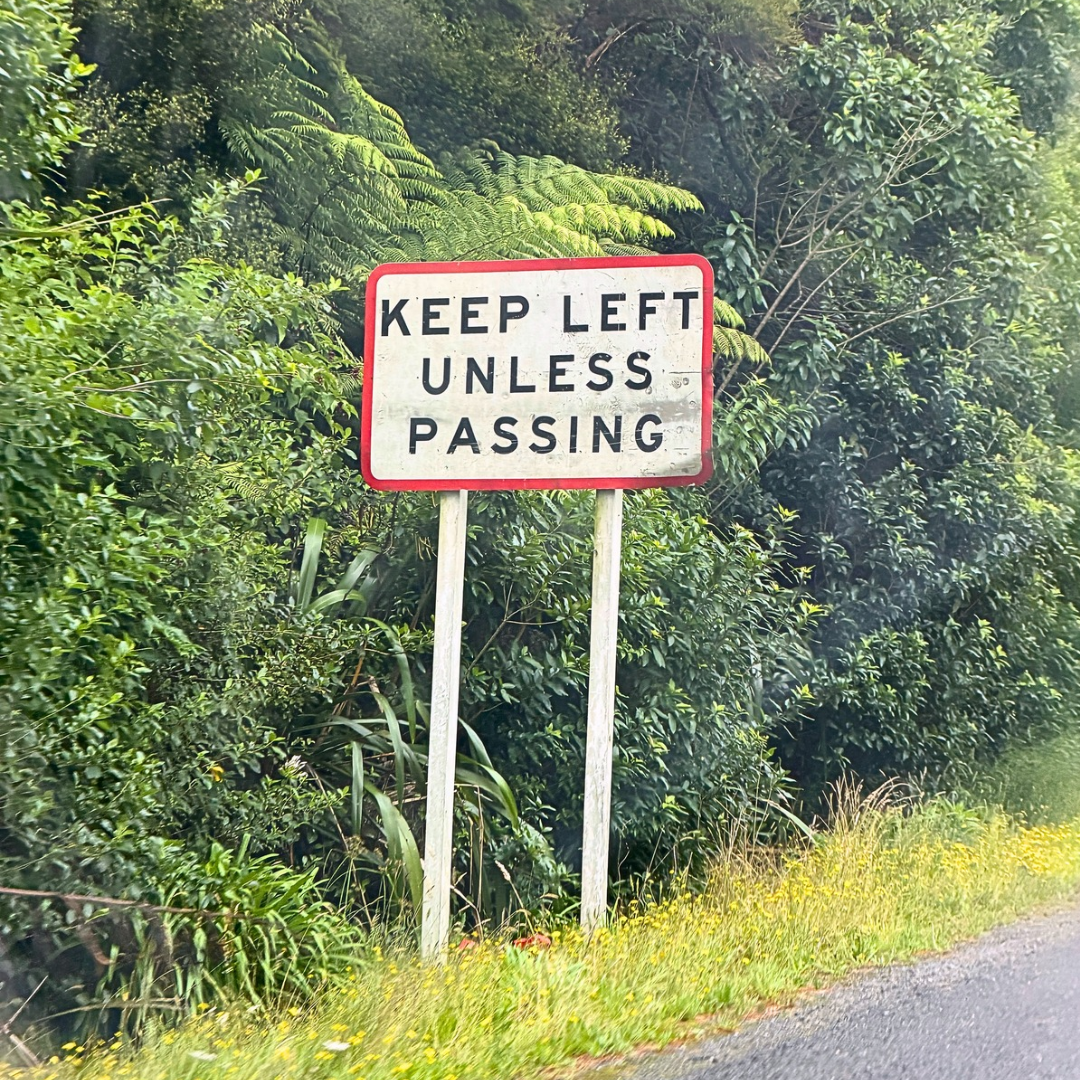
Frustration may be understandable, but it does not justify tailgating, speeding or aggressive manoeuvres.
Closing the gap reduces the time available to react if the vehicle ahead brakes. It can also make the leading driver feel pressured, increasing the chance of a hurried decision. NZTA recommends at least a two-second following gap in good conditions, increasing to four seconds in wet or slippery conditions.
The following driver might dart into the left lane, accelerate past and cut back sharply. Passing on the left can be permitted in New Zealand where there are two or more lanes travelling in the same direction and the manoeuvre can be completed safely. But an impatient lane change, inadequate gap or excessive speed can make that pass dangerous.
A safer response starts with easing back. Keep watching the wider traffic picture, allow time for the driver ahead to move and wait for a safe opportunity. Their poor lane choice does not require an immediate response.
Imagine both drivers moving left at the same moment: one finally returning to the left lane, the other attempting to pass. Add a missed blind spot check and a small gap, and their paths could collide.
Either driver can help interrupt that sequence. The leading driver can check carefully and move left safely. The following driver can hold back and give them room.
Ask yourself: “What can I do now to make this safer?” This shifts your attention from another person’s mistake to the choices within your own control.
It takes two to tango—but crashes do not always require mistakes from both drivers. In this encounter, however, matching frustration with retaliation increases the danger. One calm decision can reduce it.
You cannot control the other driver. You can control the space you leave, the checks you make and the response you choose.