
Road rules: when do you need to give way?
17 September 2026
Generally, we have to give way to traffic on our right. Here are three separate give way scenarios to test your knowledge of road rules.

We explain what sharrow road icons mean and how you should use them when driving.
As road environments evolve, markings to support safer and more predictable interactions between motorists and cyclists are appearing.
Sharrows featuring a bicycle symbol combined with chevron-style arrows indicate a shared roading environment, where cyclists and motor vehicles may use the same lane space. They are typically used where a dedicated cycle lane is not practical, but cycling remains an important and legitimate mode of transport.
The purpose of sharrow markings is to communicate that the carriageway is a shared space and that cyclists may need to position themselves within the lane to travel safely. While the marking itself is advisory in nature, it reinforces expected awareness and considerate behaviour from all road users.
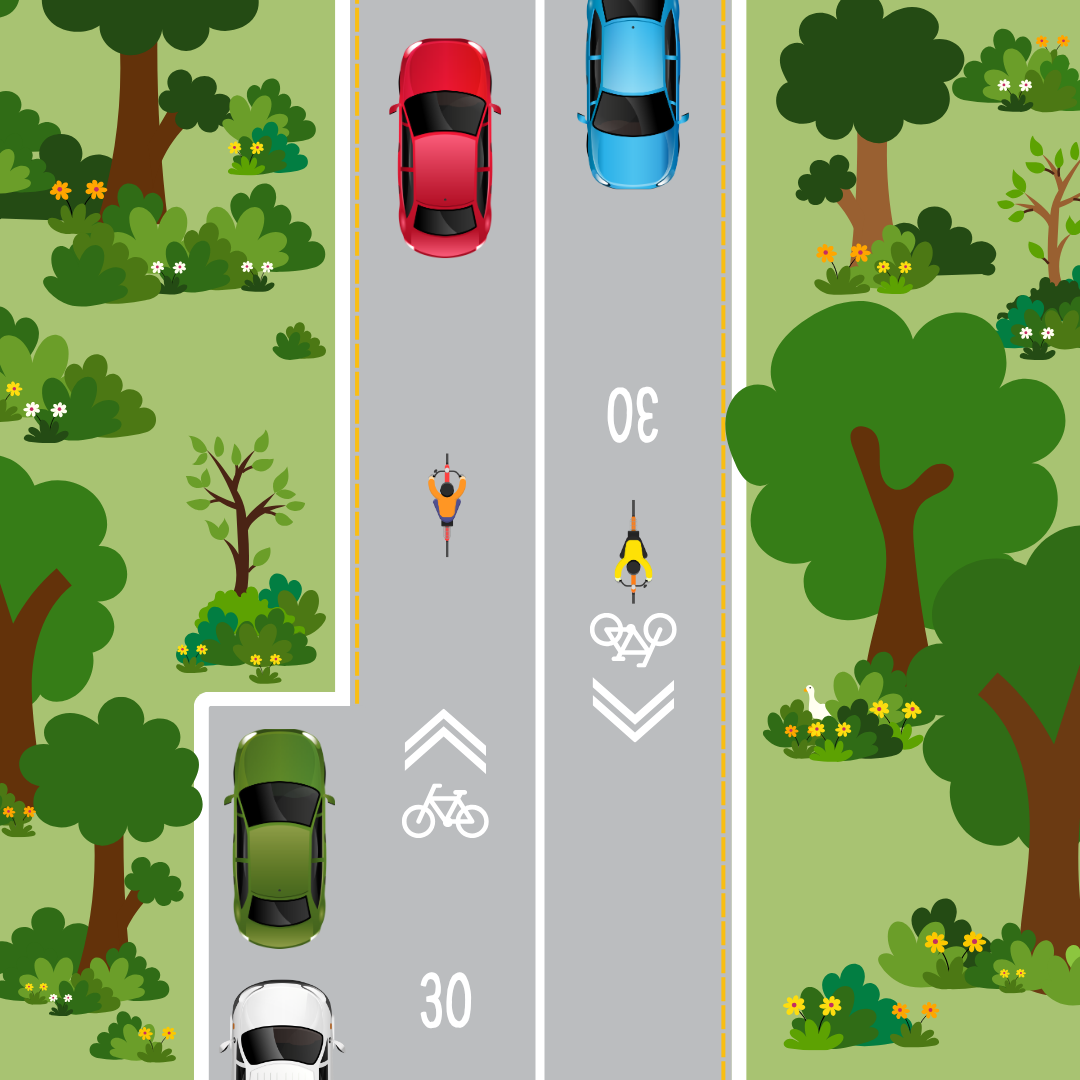
Sharrows help:
It’s important to understand that the marking is only part of the equation; safe behaviour around cyclists is what ultimately determines safety outcomes.

In sharrow-marked environments, drivers should expect cyclists to be present and adjust their driving accordingly. Cyclists may need to take a more central lane position at times to avoid hazards or maintain safe positioning. This should be anticipated as normal road behaviour rather than treated as an exception.
When travelling in these areas, drivers should:
In some situations, the safest option may be to wait behind cyclists until a suitable opportunity to pass becomes available. Patience and judgement are key factors in shared lane environments.
Ultimately, sharrows reinforce the principle that roads are shared spaces requiring mutual awareness and respect. Safety depends not only on understanding road markings, but also on the ability of all road users to anticipate others and respond appropriately.
This story is from the Spring 2026 issue of AA Directions magazine.