


New Zealand Driver Licensing system changes
29 July 2026
Everything you need to know about the changes to to the Driver Licensing process in New Zealand.

The WoF rules in New Zealand are changing. We explain what this means for you.
From November 2026, the biggest revision of the Warrant of Fitness (WoF) rules in decades will come into effect, changing how often most vehicles in New Zealand will need an inspection.
Rolling out on November 1, 2026, and with further changes coming on November 1, 2027, the main change will see longer gaps between inspections for most light vehicles. The aim is to reduce time and cost for motorists by creating more time between WoFs for vehicles under 15 years old.
New vehicles
Vehicles aged 4–14 years
This means that, over time, vehicles between four and 14 years old will only need a WoF every two years.
Older vehicles and motorcycles
Rental vehicles

WoF and Certificate of Fitness (CoF) – which is the separate safety inspection for commercial, heavy, and passenger-service vehicles such as buses and large freight trucks inspections will be expanded to include basic checks of certain Advanced Driver Assistance Systems (ADAS), such as:
Inspectors will check for warning lights related to these systems, rather than testing their full operation.
Alongside this, the Government plans to:
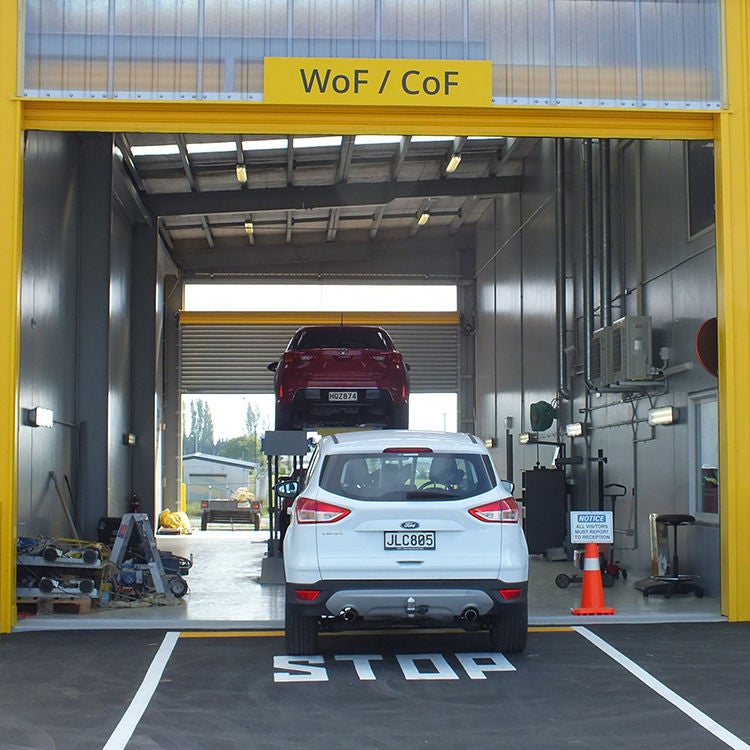
For many people, particularly those with newer vehicles, moving to two‑yearly inspections will feel like a sensible, low‑risk change that will make car ownership simpler.
When the AA surveyed Members, views were evenly split between those in favour of less frequent inspections and those against it.
We recognise that many Members will welcome less time spent booking and attending inspections, however, vehicle owners will need to become more vigilant.
Longer gaps between WoFs mean drivers will need to take more responsibility for monitoring their vehicle’s condition – checking tyres, brakes and warning lights, and acting early if something doesn’t feel or sound right.
From November 1, 2026, the fine for operating a vehicle with a WoF expired by more than two months will increase from $200 to $350. The fine for non‑compliant wheels and tyres will also increase from $150 to $350 and up to $1,000 (maximum court‑ordered fine).
The AA is cautious about extending the first WoF for new vehicles to four years, as a vehicle’s age does not necessarily reflect how far it has been driven, its condition or how it has been maintained.
The AA is also wary of inspections of safety technology relying mainly on warning lights rather than more comprehensive system checks.
These are significant changes that put the frequency of inspections in New Zealand more in line with other countries. The AA hopes that it does not lead to fewer safe cars on the road; it will be vital that the Government monitors the real-world impacts closely to make sure safety stays strong.