Home profile: how to buy a first home
21 September 2026
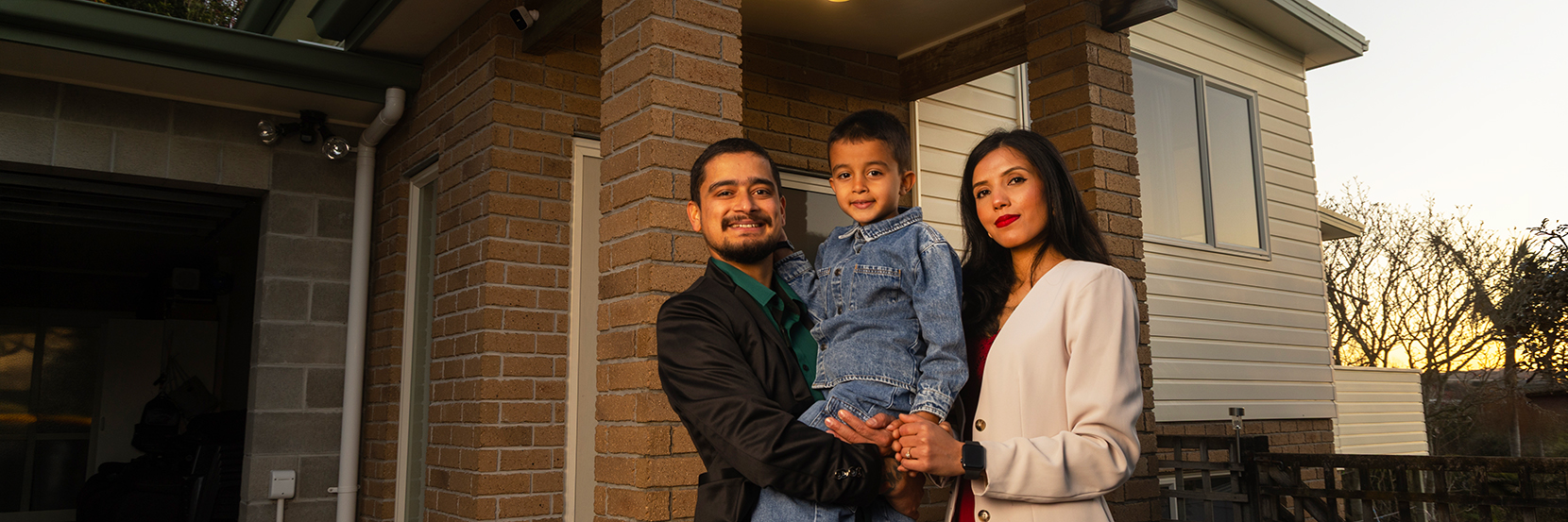
Madan Sapkota shares his journey to purchasing his first home.
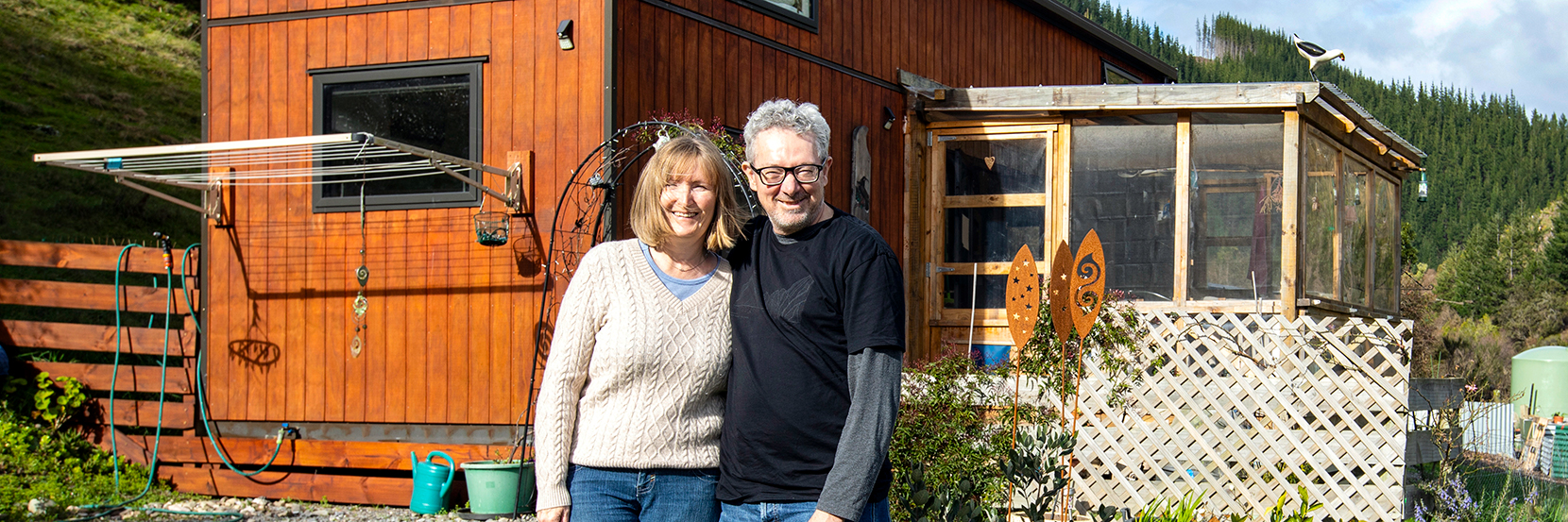
Theresa and Alex opted to downsize to a tiny house to alleviate financial stress.
Theresa Kidd loves cooking. “I tend to cook like the army is about to join us,” she laughs. At a recent dinner party, places were set for eight people. Nothing unusual there you might think… until you realise hers and husband Alex’s house is a 3m-by-12m tiny home.
The galley kitchen is just big enough for them both – as long as their arms aren’t outstretched – and joining them in the space might also be spoodle Eiru and black cat Dixie, who often observes from the balcony above.
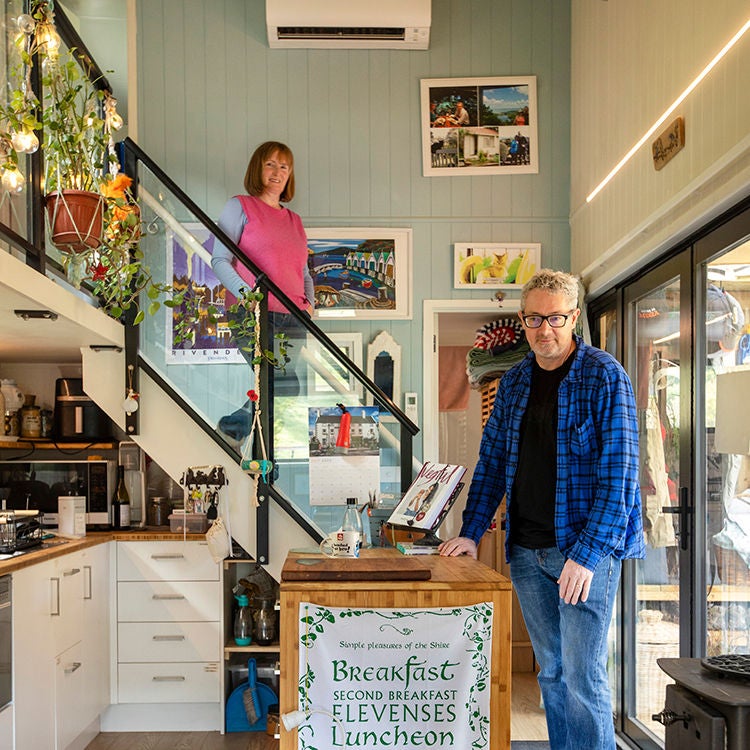
At six foot two inches tall, Alex could easily have dismissed his wife’s idea three years ago of buying such a compact property, especially since he doesn’t like confined spaces. To her amazement though, he agreed, realising it would help relieve a significant financial burden.
“I told him I’d had this mad idea, and explained the figures I’d put together,” says Theresa, an educator for a charity and former paramedic. “I couldn’t believe it when he said ‘I think you’re onto something here!’
“At the time we were renting a three-bedroom house but didn’t want to stay in the rental market. The insecurity and rent increases made me feel quite unsettled, and I didn’t enjoy the intrusion of someone coming every three months for inspections. So, I looked at what it would cost if we bought an equivalent place and realised we’d still be paying off a mortgage in our 80s. In comparison, if we went for a tiny home, we’d have finished paying it off at 60, and still have an asset.”
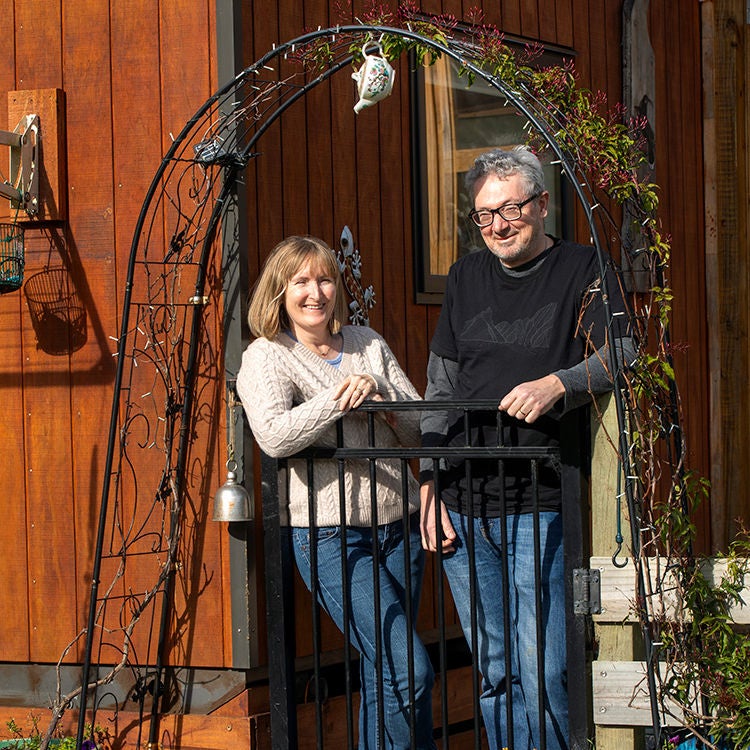
They knew downsizing would be challenging but the decision to go ahead was largely driven by being caught out financially following the collapse of the housing market in Ireland, where they’d emigrated from in 2016. They’d been left with significant negative equity and were still absorbing the financial loss.
The couple, now both in their 50s and loving Kiwi life, agreed the solution to buying their own home and gaining financial security was to mindfully downsize to a tiny home.
They used a small inheritance towards the cost of having their own built, and made adaptations to the showhome they viewed, to make it work for them, including switching the lounge to one side rather than a central position so it could be used as a multipurpose space. In the bathroom they opted for a smaller shower so it could also incorporate a laundry and also their wardrobe, rather than having it in their bedroom upstairs. Appliances were carefully chosen for low power usage, as well as the ability to fit in smaller spaces.
“Ruru Tiny Homes was very flexible but one of the other things we liked about the company is that they use as many local resources as possible, including their tradespeople,” Theresa says.
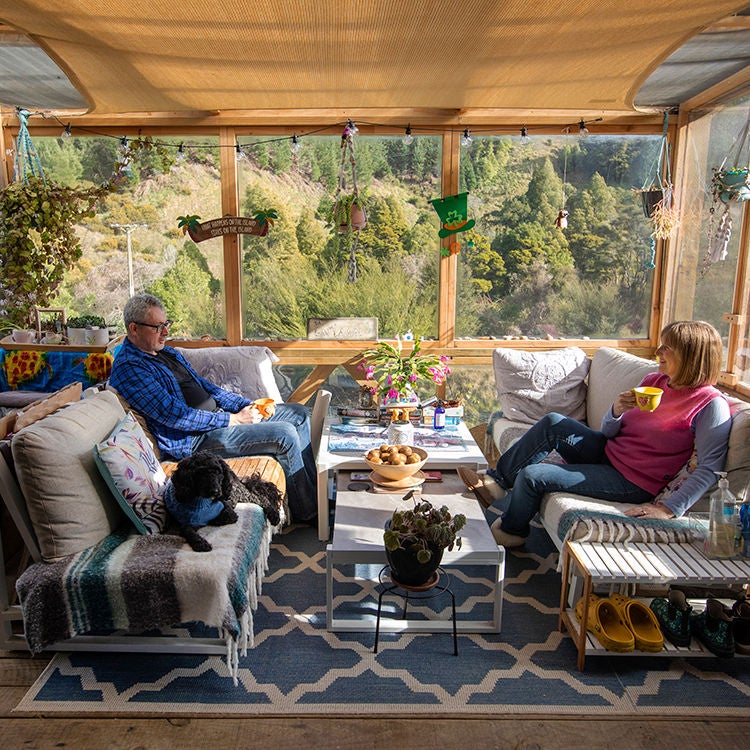
On their plot near Richmond in Tasman they’ve also put up a shed for overspill storage, raised veggie patches, and a deck and sunroom. They found space on which to locate the two-bedroomed, double-glazed, fully insulated property thanks to Ruru supplying names of landowners happy to consider accommodating small dwellings.
Downsizing did mean compromises. A number of Theresa’s prized plants, parts of the lounge suite and a beautiful rimu dining table and chairs all needed to be rehomed.
“Yes, there are compromises, most definitely,” Theresa says. “While I was quite pragmatic about it, Alex found it tricky. He would have loved to have held on to everything, but I was of the opinion that we didn't want to pay to store things, because we wanted to use the money to clear our debt.”
An added financial bonus is the reduced costs of heating and maintaining such a compact property.
With a swimming hole just a stone’s throw away, and surrounded by native bush, forestry and paddocks grazed by sheep, they’re both loving not just the surroundings, but the ability to live in their own place without the extra stress of significant debt.
“People are usually surprised at how big it feels inside,” says Alex, a nurse in community mental health.
“The kitchen in the place we rented before this was probably bigger than the entire footprint of our home now, but the way it’s been designed makes it feel spacious.”
There’s even room for Theresa, who works from home, to have a small office in the spare bedroom upstairs.
“Sometimes it's adversity that helps you achieve goals that you never knew you had,” Theresa says. “Going through all that has made me much smarter with money and really appreciate our beautiful home; we would never have had an opportunity to live somewhere like this if we hadn’t gone through all that stress and heartache.”
This story is from the Spring 2026 issue of AA Directions magazine.