
A TranzAlpine train journey: luxury in Scenic Plus
31 August 2026
Cross the South Island on the TranzAlpine, one of the most beautiful train journeys in the world.
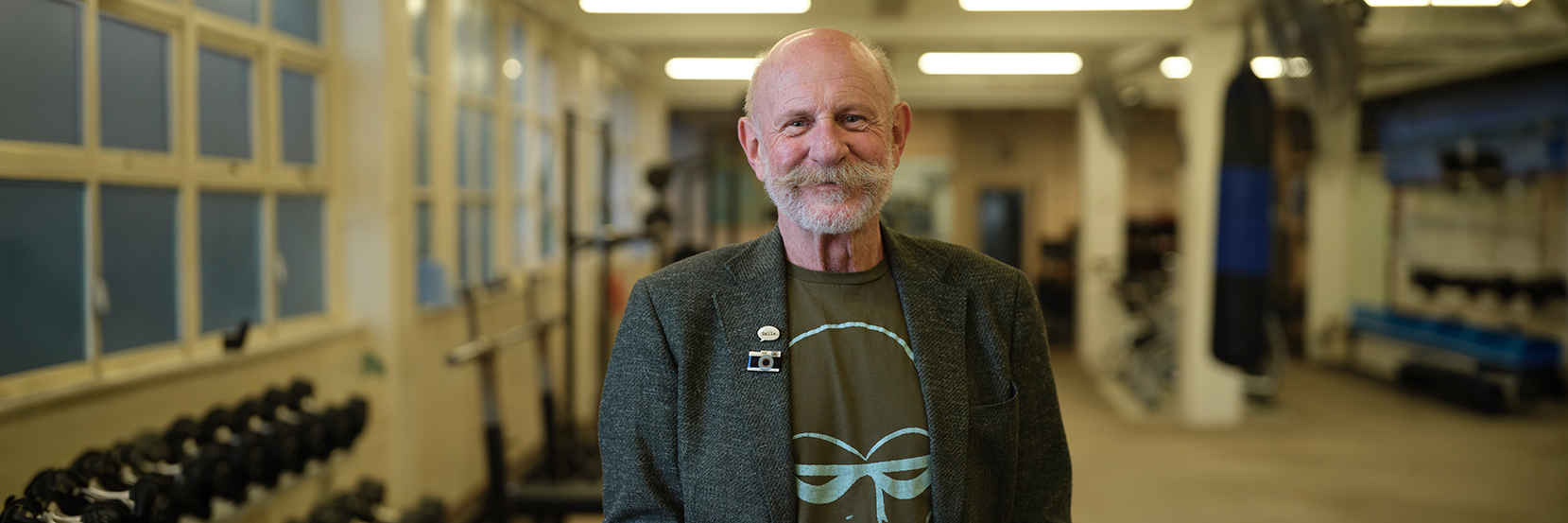
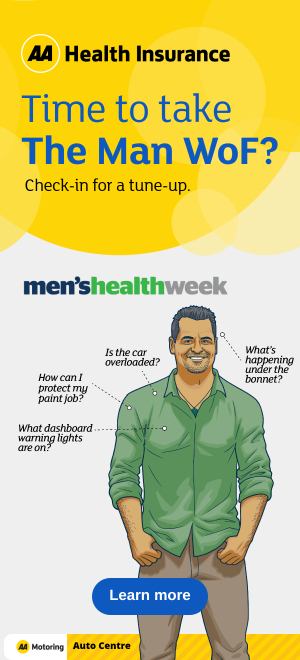
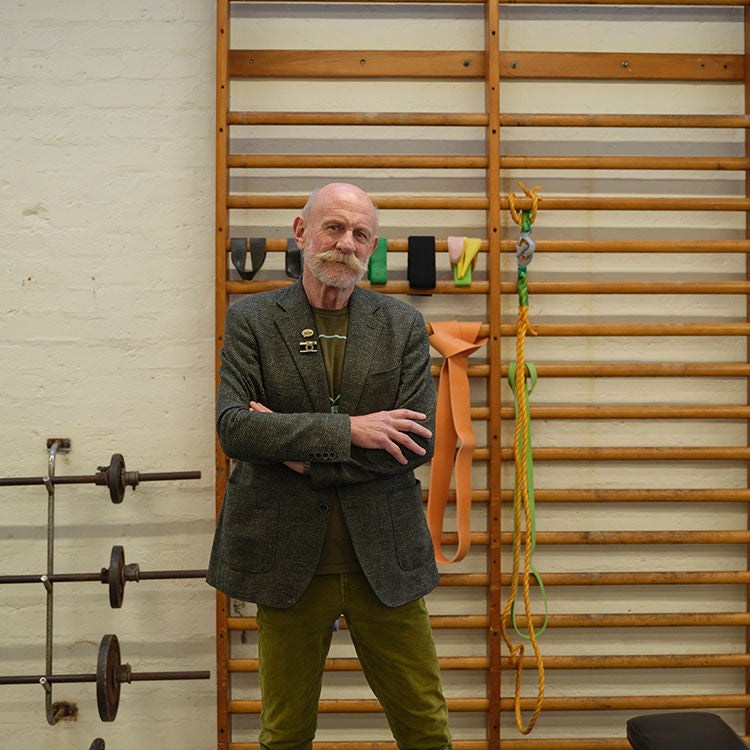
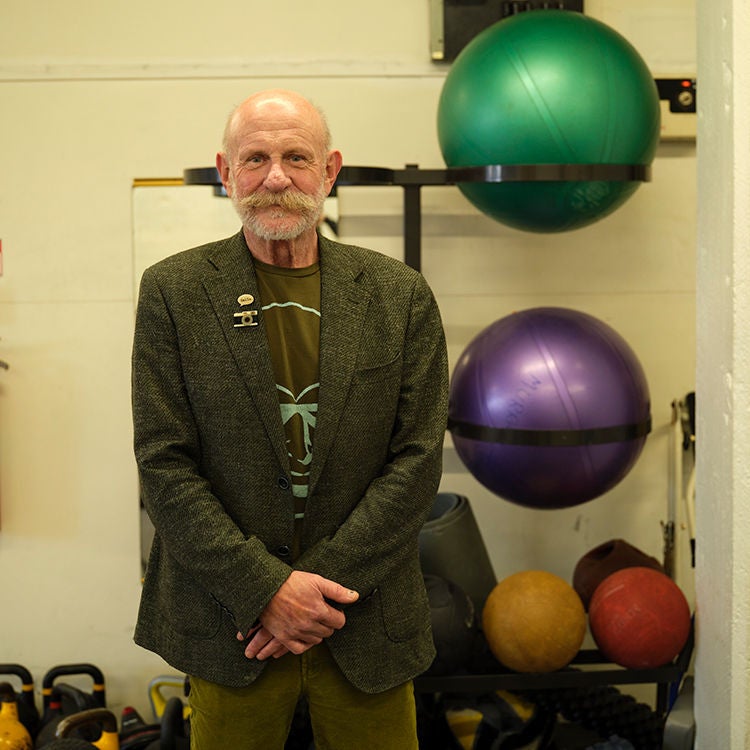
Mark Sainsbury is a journalist, broadcaster and Director of Men’s Health Week in New Zealand – a global awareness campaign designed to spark conversations about men’s wellbeing.
How did you get involved with Men’s Health Week?
I fell into it about eight years ago with my friend Tim Green. He was working on a Men’s Health Week campaign run by some guys out of Aussie who wanted to get out of the business. We saw how important it was, so we took it on. We bought them out, but the reality is we don’t actually earn any money from this, in fact we often end up topping it up ourselves!
Why is Men’s Health Week important?
Some of the stats around men’s health are just awful. We don’t want to be alarmist, but the reality is that nearly half of Māori men will not get superannuation: they’ll die before the age of 65. For Polynesian men it’s not quite that bad, but it’s not far off.
In general, men can be terrible at putting things off. They think: ‘just take a concrete pill and it’ll all be good.’ In the past it was maybe perceived as a bit of a weakness to even go to the doctor. But I think those attitudes are slowly changing.
Why do you think men have a reluctance to prioritise their health?
There’s often an attitude of ‘if you don’t go, you won’t find out anything bad.’ We tend to procrastinate. We’re not as used to regular medical examinations as women are; we find it invasive and embarrassing. But we need to get over that.
What are some of the challenges you’ve faced when raising awareness for men’s health issues?
Initially, some perceptions about what we were doing were a bit tricky. We’ve had people asking, ‘so are you saying that women get more medical care than men?’ But we applaud every measure taken to look after women’s health, we’re not saying ‘cut back theirs to make ours better.’ It’s not a competition!
How do you persuade men to take more of an interest in their health?
We realised that the ‘gently does it’ campaign approach seems to work with guys. Our whole attitude is about gentle persuasion and raising awareness. We don’t rattle a tin and ask for money; it’s not hectoring or lecturing – that simply does not work.
Another big component is to involve women. So often women will be the ones who know that a man hasn’t been to the doctor but needs to go and will be the one encouraging him.
This year, the campaign is ‘shoulder to shoulder.’ What we’ve realised is that guys, when they’re standing next to each other working at a bench or at the rugby, or going for a walk, talk much more easily than when they’re looking at each other in the face. Direct gazes can be intimidating or seen as a threat, all that stuff is primal, so people are much more likely to confide in someone or talk about sensitive topics when they’re shoulder to shoulder with them.
What have you learned about your own health through your involvement with Men’s Health Week?
You’ve got to take charge of yourself. I’d been on blood pressure medication and stuff like that in the past. But by basically cutting back on how much I ate and cutting back on alcohol, over a period of time I ended up losing a reasonable amount of weight. So now I’m off the blood pressure pills. You can actually make a difference through small changes.
What are your top tips for men who might want to improve their health?
Take the quiz. The quiz is set up not only as a checklist, but also to flag things that men may not have even thought about. There are so many little things you can do to improve your health. Walk up one flight of stairs rather than taking the lift. Go for a short walk. We’re not suggesting suddenly running a marathon or changing your whole life. With things like drinking, try to have one or two nights off a week, make small changes to what you eat.
We’re not preachy. Anyone can make an improvement on the position they’re currently in. One of the most important things to realise is that what we do, or don’t do as men doesn’t just affect us, it impacts our kids, partners, parents and friends. We owe it to them to take this stuff seriously.
This story is from the Winter 2026 issue of AA Directions magazine.