How much do EVs impact your power bill?
28 July 2026
How much will owning an EV affect your power bill? James Foster of EVBD investigates.
What are the pros and cons of buying an EV?
Imagine buying a brand new fully electric car. Like the parent of a newborn, you dote over your new purchase. Parked in the driveway, you try out every feature. Nodding along to the eight-speaker sound system, you eventually nod off altogether, thanks to the heated power-adjustable seats.
You show it off to friends, watching for that gasp of surprise as your EV launches from the lights.
Then you go for your first long drive out of town…
Staring at the dashboard in horror, you complain to whoever is listening: ‘This was supposed to do 400km per charge. I’m barely out of town and I’ve already lost 50km!’
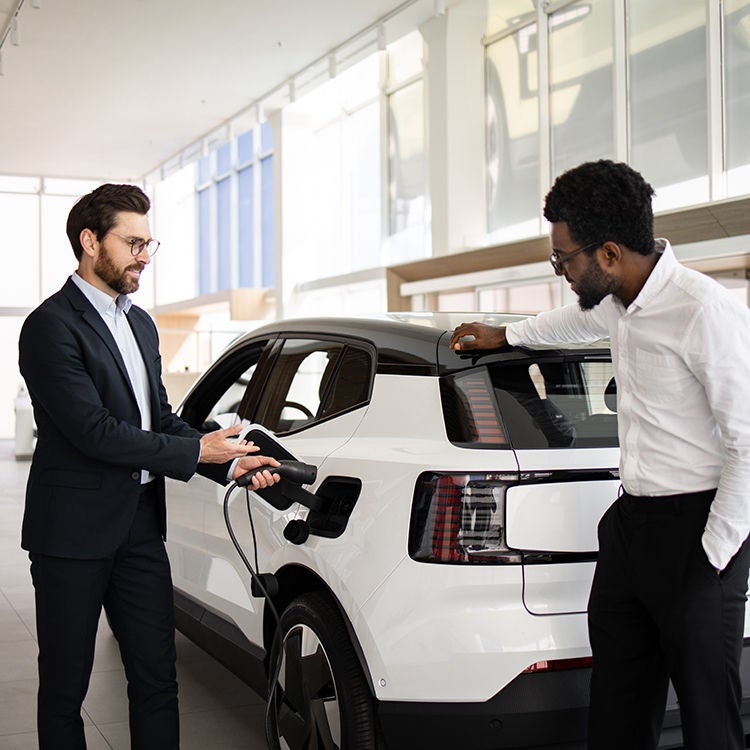
This year EV uptake in New Zealand has doubled compared to last year. Prompted by an increase in petrol prices, many new car buyers have chosen a car with a plug. Our reasons for choosing a car are as varied as we are. For some it’s boot size, for others, cup holder size. Perhaps it’s how the car makes us feel, while our spreadsheet-loving friend is busy calculating cost-per-kilometre.
Ownership experience is also highly individual. Fortunately, we can draw from numerous EV ownership surveys published each year to get a sense of the pros and cons.
The surveys consistently show high levels of satisfaction. Typically around 95% of those who bought an EV intend to stay with an EV. It’s also shown that pre-purchase worries ease with lived experience.
Driving comfort tends to be rated highly. Owners report EVs are fun to drive, due to the lack of noise and vibration. With no gears to change, there is no lag back and forth, and acceleration is typically punchier than most drivers are accustomed to. Other drivers are content with lower maintenance and running costs.
But it’s apparent that going from a petrol car to electric requires some upskilling. Without this, reality may not always meet expectations.
An EV’s range is how far the car will go on a single charge, measured by a lab test called WLTP. The reality is you’ll only match this with mostly urban driving and in warm temperatures. Sustained highway speeds and cold weather will increase energy consumption and New Zealand’s coarse-chip roads and hilly terrain don’t help.
The EV with 350km of WLTP range might only deliver 270km on the open road.
That might come as a surprise when you’ve only been driving around town. Your regional road trip will require more charging stops and will take longer. Stopping to charge is not like a petrol fill-up. You’ll need to plan ahead and may need an app installed on your phone in order to access the public charger.
For some, this may be a point of friction, for others, an opportunity to pause. European research shows about 60% of EV drivers use a charging stop as an excuse for coffee or a meal. Swedes like to go shopping, Germans go for a walk or have a power nap.
Charging is getting faster; New Zealand’s car market is rapidly evolving with next-generation EVs offering extremely fast charging speeds and over 600km of range.
But we’re also seeing more entry-level models with modest range (250-350km), best suited as city cars. This points to the need for extensive charging infrastructure across the country.
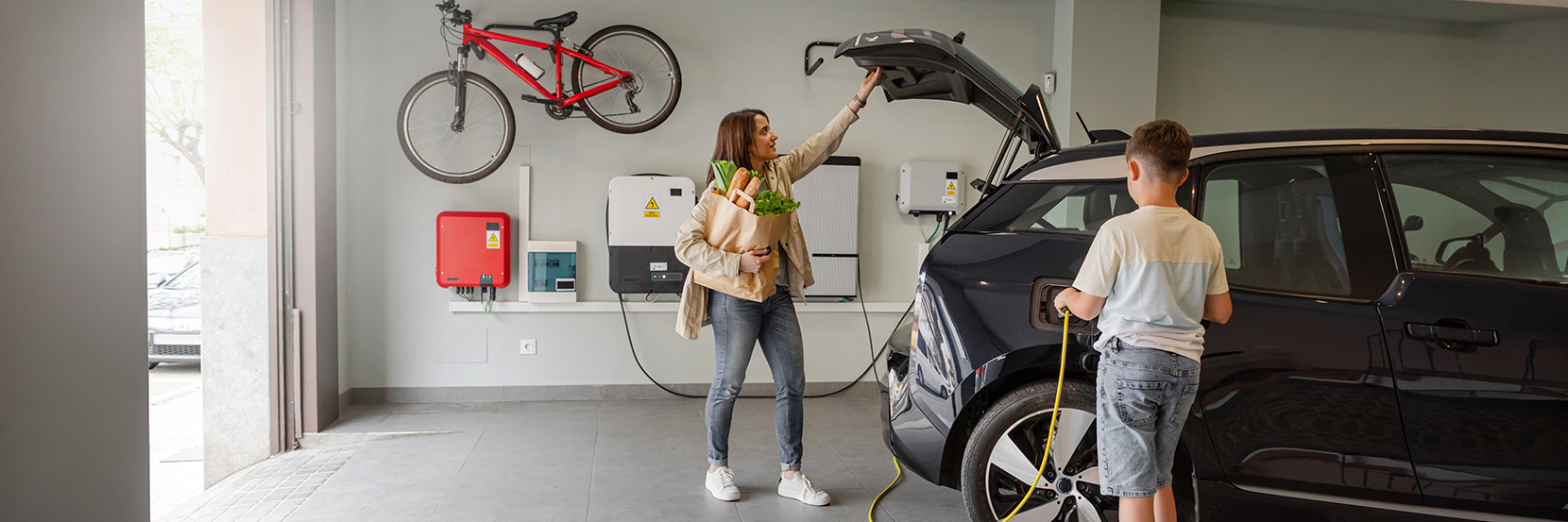
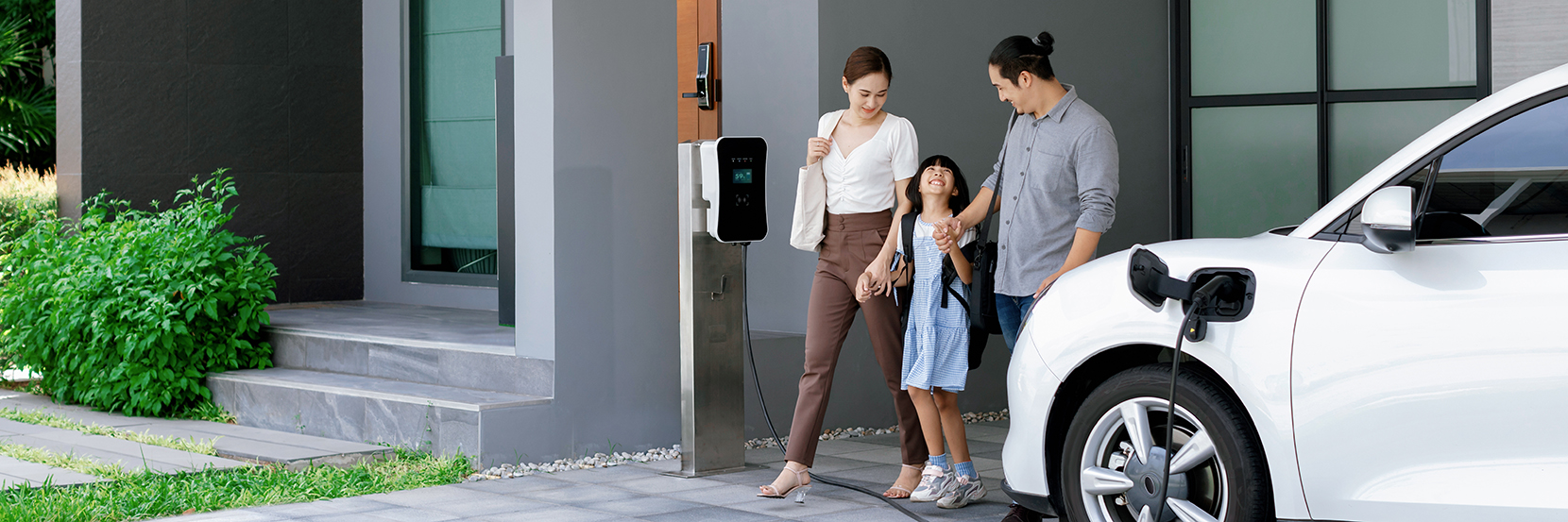
Most charging happens at home, as an EV can be charged anywhere there is a power point. The reality check is how long it takes; charging at home is very slow. But, like your phone, you don’t stand there watching it charge. Most EVs charge overnight at off-peak rates or during the day where solar is available. This lets owners charge at low cost, which is why some motorists have switched from petrol cars.
Home charging needs planning: while most EVs are supplied with a trickle charging cable, not all are. Whether buying new or used, always ask if a charging cable is supplied. If not, you’ll either need a wall-mounted charger installed, or you can buy your own charging cable from a New Zealand supplier. Many owners opt to install a wall-mounted charger due to faster charging times (35-50km of range added per hour).
As more New Zealanders consider switching from petrol to electric, it’s worth acknowledging the changes that come with it. Switching from filling up at the pump to plugging in is a behavioural shift. Getting a sense of how EVs perform in urban versus open road environments is a learning curve.
For many, plugging in at home is a welcome change from pumping petrol at a service station. For others, the idea of using a public charging point might be a source of anxiety (tip: do a practice run near home before embarking on your first road trip).
With so many powertrain options available in New Zealand, from hybrids through to full electrics, working out what’s best for you takes a bit of homework. If you’re angling toward an EV, setting realistic expectations can go a long way to making the transition as seamless as possible.
This story is from the Spring 2026 issue of AA Directions magazine.