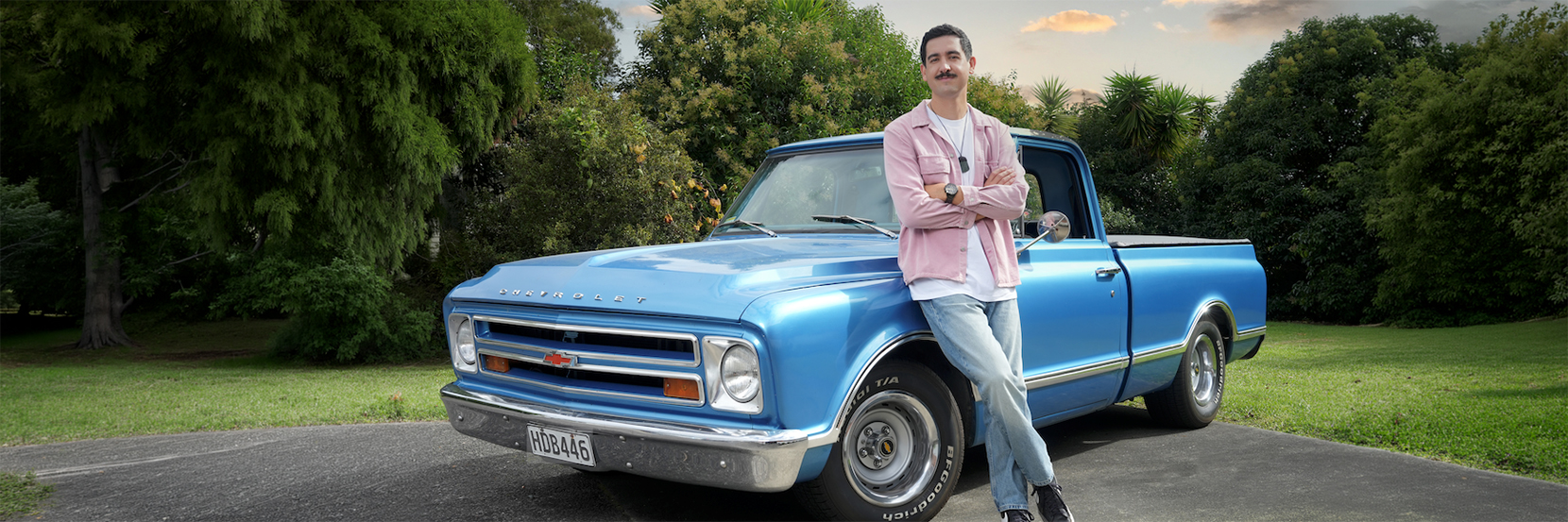
Wheel Love: Chris Key and his 1967 Chevy
13 September 2026
Chris Key shares what he loves about his 1967 Chevrolet C10 pickup truck.

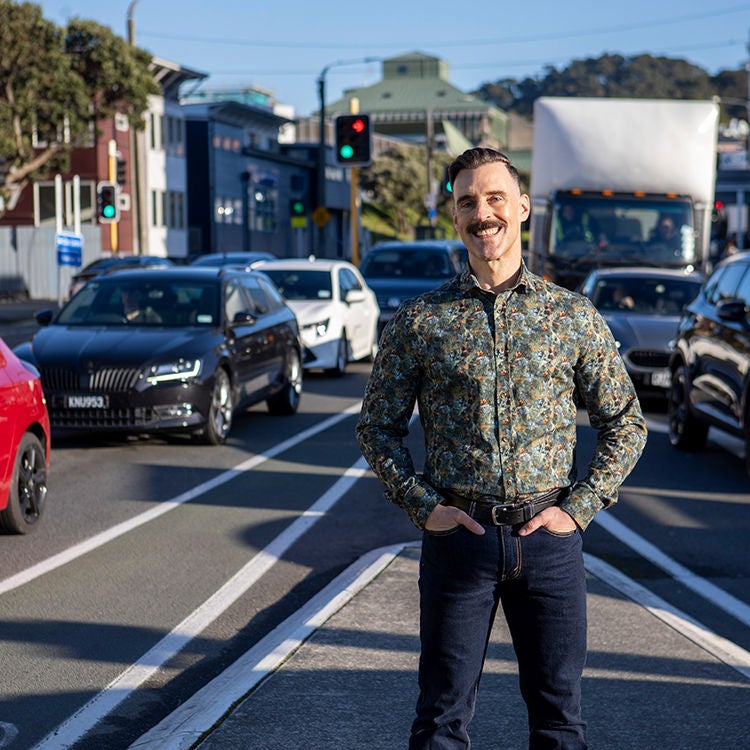
Christopher Stachowski is the Research Programme Manager at the AA's Research Foundation. He explains how his role helps to make our roads safer.
Tell us about your background.
My background is in data and research. I love it. I’m a researcher by trade, but I didn’t want to be an academic, I wanted to apply it in a practical way.
I’m originally from Canada but have been in New Zealand for 22 years. I live in Wellington but spent a year in Otago doing my PhD.
Prior to joining the AA, I was working at (Wellington) City Council as head of their research and evaluation team, and before that I’d worked at another membership organisation. I really enjoyed the clarity of knowing who your customers are and I wanted to get back into that area. The AA is the Membership organisation in New Zealand; it doesn’t get much better. So, when this role came up two years ago, I jumped at the opportunity to work here.
What is the AA Research Foundation?
The AA set up the Research Foundation as a separate entity to the AA proper. We have autonomy to create and develop a library of work that sometimes may not be comfortable for the wider AA. I think that was quite brave. It gives us the mana to talk about wider transport issues beyond our Membership as objectively as possible. We have a separate board of trustees, and we are not looking to sell things. Our research needs to be robust, it needs to be independent, and it needs to contribute to the public good by improving transport in New Zealand.
What does your role involve?
I work with the trustees to come up with an overarching theme for what we’re going to research each year. The trustees establish the priorities, and then I put those into an evaluation rubric.
I invite people – individual consultants or universities – to present research pitches. If the pitch is good, I triage and check it against our priorities. I’ll then take it to the next trustees meeting and we’ll decide which projects we will progress with.
How do you decide what to research?
When I started, research was a bit piecemeal, so we shifted to a more strategic view with core topics to focus on. Now we have a theme: ‘igniting behaviour change through research’, and we arrange the programme around that. Most of the work we do relates to behaviour change for humans operating vehicles and moving around the transport network.
Roadworks is a big, important topic right now. So is electrification of the transport network. There are some topics that are interesting, but we’re not quite ready to explore just yet, like autonomous vehicles.
We think about how we might influence the behaviour of our Members to get safer, more sustainable or more efficient outcomes.

What do you enjoy most about your work?
I love the idea of doing practical, applied, robust studies that can be used to make real change. I’m really into that. As a researcher, I love doing applied research and seeing a genuine change in the world because of the work.
How many projects is the AA Research Foundation currently working on?
Several! When I first started in this role we had a bit of a backlog. We got to nine projects and realised that was too many because we didn’t have enough time to really absorb the work or to find opportunities to promote it. Now, we try to do four or five projects at any one time, producing about one report per quarter.
What have been some of your favourite topics to work on?
It sounds strange, but I love temporary traffic management: I love the road cones! I don’t want more of them; to be clear, the goal is fewer road cones, but I love the practicality of it.
Right now, we’re doing a naturalistic study where we’re on a site working with experts and a road marking company. We’ve got sensors and physical observers while the roadworks are happening. The goal is to understand how drivers interact with different types of setups.
The sector is moving from a prescribed approach for setting up a site to more of a risk-based approach, and this depends on judgement. That can be scary because the liability then sits with the person who made the judgement, so there’s a lot of interest in how a short-term roadworks site can be set up most effectively.
What projects have you got coming up that you’re excited about?
We’re doing a piece of research about people’s attitudes towards demerits. We want to know of those people who have received demerits, how have they reflected on it and what have they done, if anything, to change their behaviour. Demerits are an important lever for managing driver behaviour, but we want to know more about their real-world impact and effectiveness.
This story is from the Spring 2026 issue of AA Directions magazine.