
Q&A: Mark Sainsbury, Men's Health Week
10 June 2026
We chat with Mark Sainsbury, Director of Men’s Health Week, about why it's important for men to look after their wellbeing.

We explain why proof or purchase is critical when it comes to insuring pre-loved, inherited or designer treasures.
Jewellery, designer handbags and fine art are precious items, yet many owners overlook the need to protect them effectively, particularly if they are pre-loved.
According to AA Insurance, claims for lost vintage items or second-hand designer goods can be complicated by a lack of receipts, formal valuations or authentication. Having this information available can also make the claims process faster and more straightforward, helping ensure customers receive their full entitlement – within policy limits.
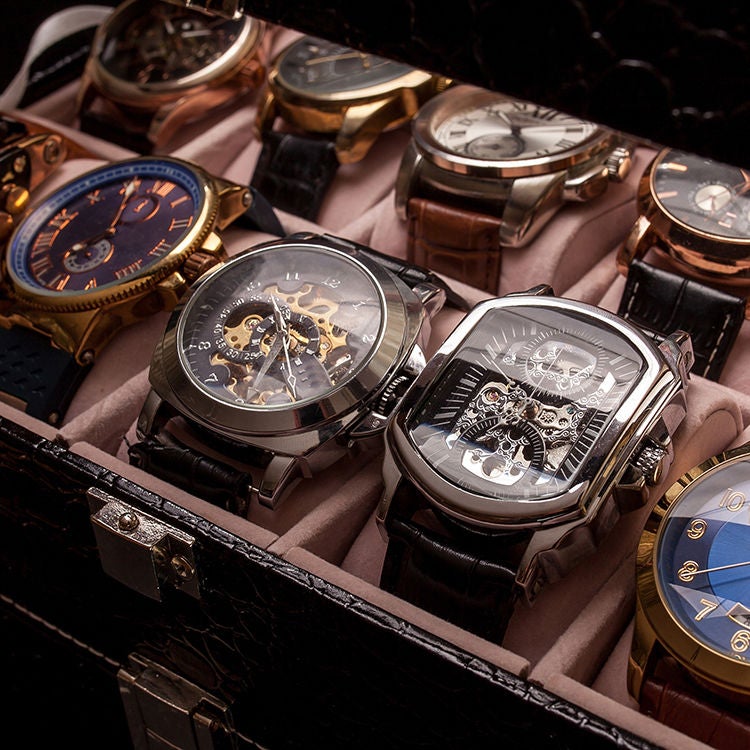
Aaron Redmond, Head of AAI Home Claims, says items that are frequently overlooked during the claims process include second-hand purchases made on Trade Me, at markets, or through friends or family.
“These items often don’t come with formal receipts, and what someone paid – particularly for second-hand goods – doesn’t always reflect the replacement cost under our policy,” he says.
A recent Trade Me report on the circular economy in Aotearoa shows that 89% of New Zealanders have purchased a second-hand item in the past six months. While this trend is positive – with the report estimating the circular economy being worth up to $5.5 billion – it comes with a note of caution. When insuring these kinds of items, it’s crucial to safeguard them with documentation.
Aaron emphasises the importance of professional valuations for vintage and collectible items, as their market value can appreciate over time. Without proper documentation, their true worth may not be fully recognised if you need to make a claim.
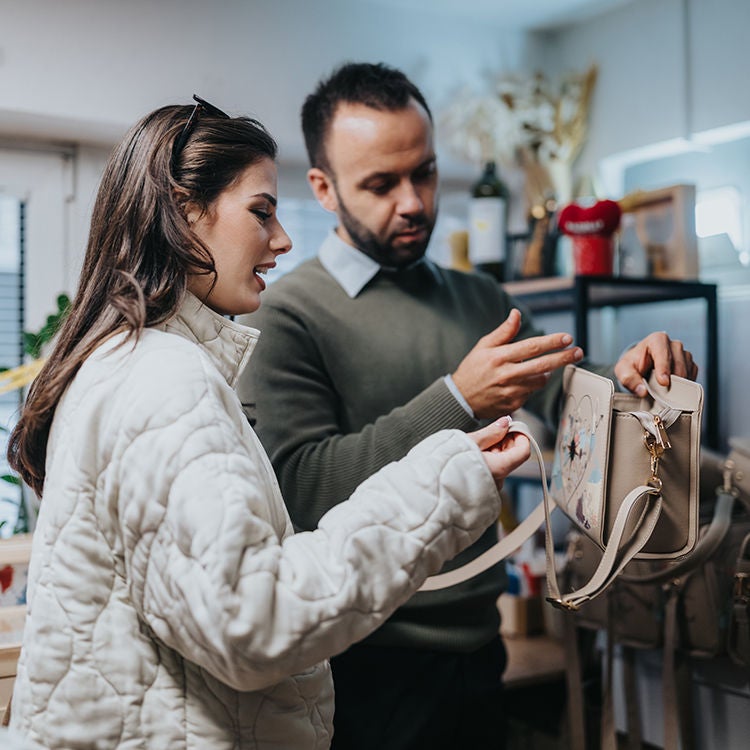
Designer bags, watches and clothing may also require proof of authenticity. Without that, it can be difficult to verify their value or even confirm they are genuine. This is increasingly important given the rise of sophisticated counterfeit luxury items, where even packaging and documentation can appear authentic, Aaron says.
The more information a customer has available, the easier it is to assess a claim and pay the full entitlement (within policy limits). Receipts (in any form) and professional valuations are usually the most helpful evidence and can help settle claims more quickly than photos alone.
“This is especially important for items that aren’t easily replaceable, or where there’s a wide variation in price with items like designer goods, jewellery or collectibles.”
Other items to be aware of include gifted pieces or hand-me-downs. “These are often meaningful and valuable, but rarely documented,” Aaron says.
“Where you can, asking family or friends for a copy of the receipt for insurance purposes is the best option. If you can’t get a receipt, a clear close-up photo of the item – and a photo of you with the item – can help support a claim.
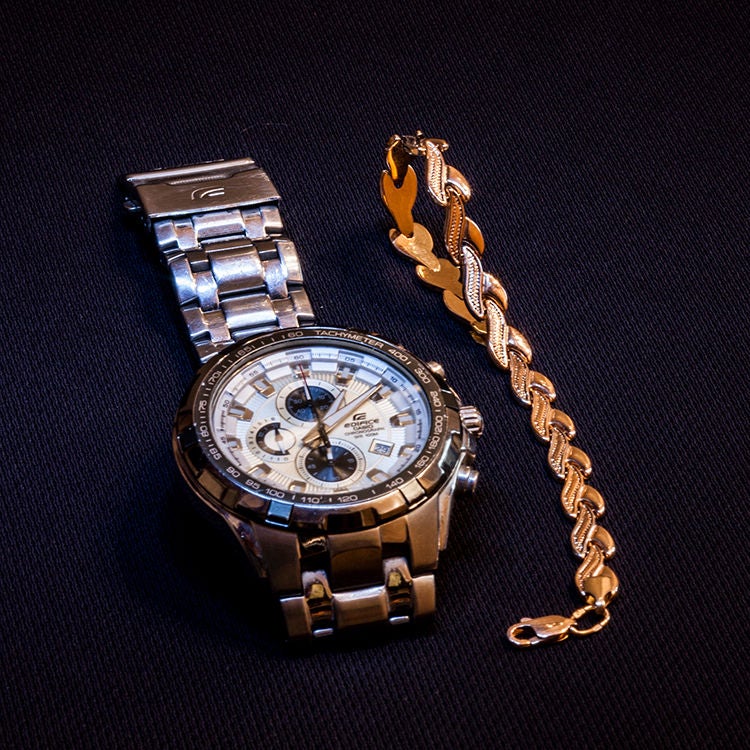
“Without proof of ownership or value, claims assessments rely heavily on what limited information is available, which can result in delays and, in some cases, may affect the settlement, making it difficult to validate the item altogether,” he says.
AA Insurance paid out $6.3 million in jewellery claims over the past year, with rings and watches among the most common losses.
Whether a ring, watch or bracelet slips off, or a precious item is misplaced during the rush of daily life, many claims stem from small, mundane moments – doing the dishes, gardening or washing your hair, Aaron says.
While "life happens," taking proactive steps ensures the value of precious items is properly protected.
1. Keep records
Save receipts, invoices or confirmation emails. Even screenshots can help.
2. Get valuations for high-value items
This is the area with the biggest misalignment due to event limits on policies. Jewellery, art and collectibles should be professionally valued and updated periodically.
3. Record key details
For items without receipts, note down:
4. Store securely
Store your records in a secure, accessible place such as cloud storage, email or an app so they’re easy to retrieve if needed. Where practical, keep high value items safely stored at home in a locked safe.
Contents insurance policies through AA Insurance use both fixed and adjustable event limits, meaning customers are not required to individually list high-value items on their policies.
While a Fixed Event Limit is set for a specific category and can’t be changed, an Adjustable Event Limit allows you to increase the policy limit if the standard cover is not enough. For instance, if your policy’s standard limit doesn’t fully cover your jewellery collection, you can adjust it to ensure your valuables are properly protected.
This story is from the Winter 2026 issue of AA Directions magazine.