
The fuel crisis: how did New Zealand end up here?
16 June 2026
We explain how New Zealand's fuel supply chain works and how we can manage the impact caused by global conflict.
What should you do if you need to turn into a multi-lane road from a side street?
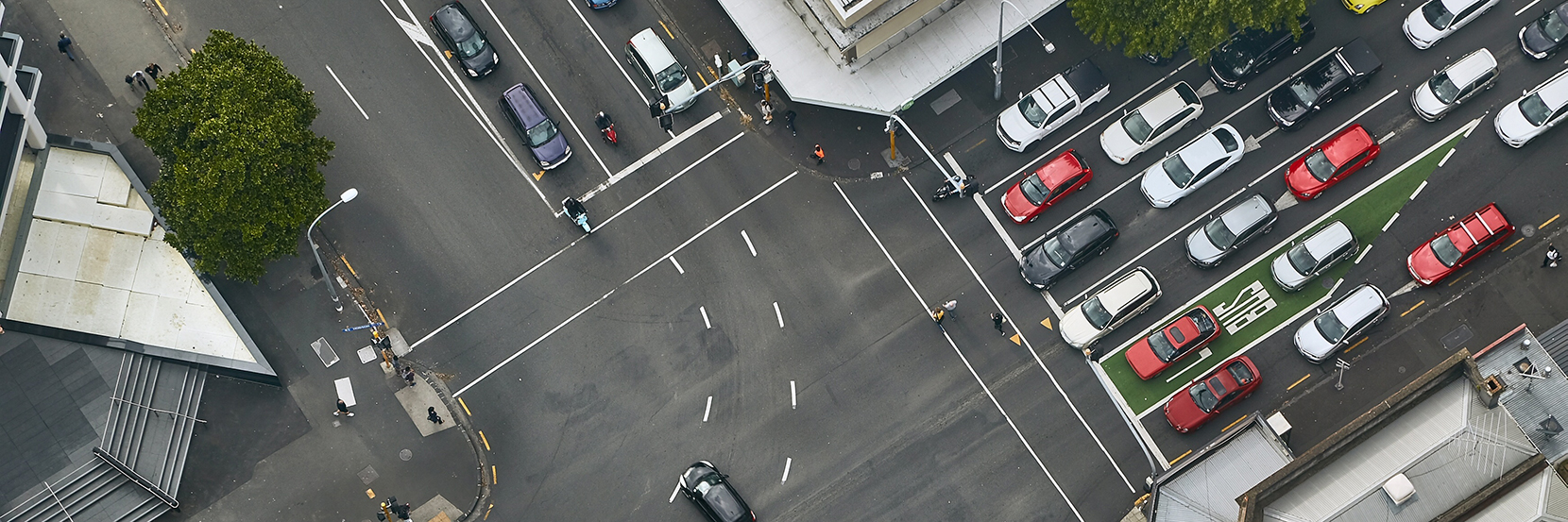
Imagine you’re waiting to turn left in a side street to enter a busy multi-lane road. The vehicle in front is at a Give Way line beside traffic lights. The nearest lane on the main road is empty, yet the driver does not move. Instead, they wait for a gap in the far lane because that lane leads to the motorway a few hundred metres ahead.
Within seconds, traffic begins to queue behind them.
This seemingly small decision can create unnecessary congestion. Drivers behind cannot move, the side street begins to fill up, and frustration builds – even though there was a perfectly usable lane available all along.
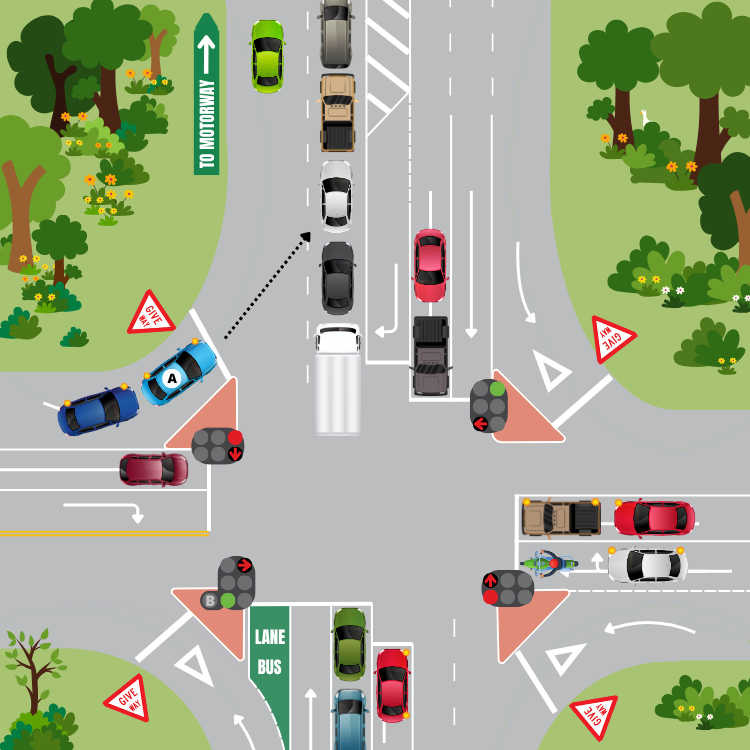
Often the issue is not impatience but confidence. Some drivers prefer to enter directly into the lane they ultimately need, rather than merge into the closest lane and change lanes later.
Changing lanes in moving traffic can be uncomfortable, particularly during busy periods. However, when there is 300–400 metres of road ahead, there’s plenty of time to reposition safely, in readiness to join the motorway after entering the road.
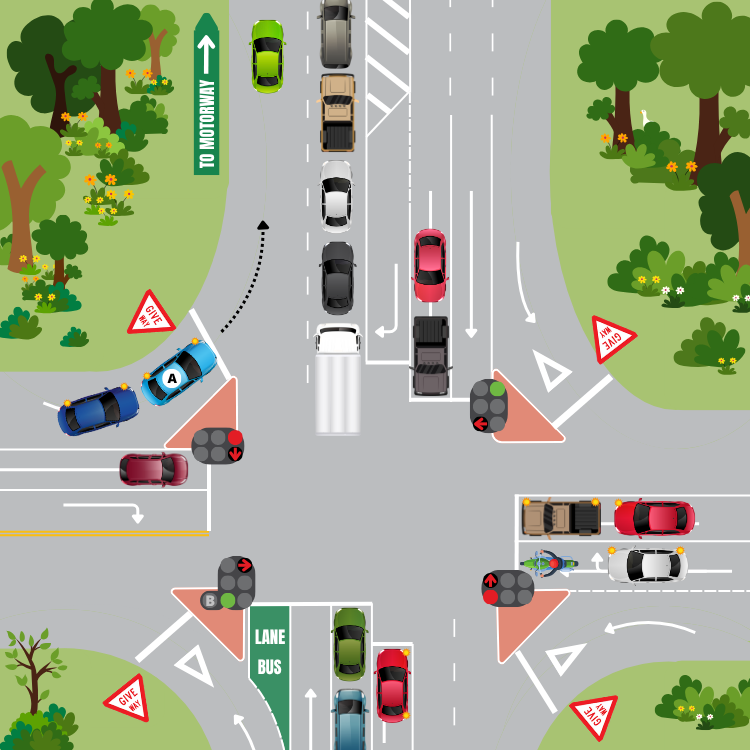
According to the New Zealand Road Code, when turning into a multi-lane road, drivers should turn into the nearest available lane, unless road markings or signs indicate otherwise.
This rule exists for a reason. Entering the closest lane keeps traffic flowing and prevents unnecessary delays for vehicles behind you. Attempting to turn directly into a far lane often requires waiting for a much larger gap in traffic, which can quickly cause queues on the side street.
By using the nearest lane first, drivers can enter the traffic stream more easily and then move across to the lane they need when it is safe to do so.
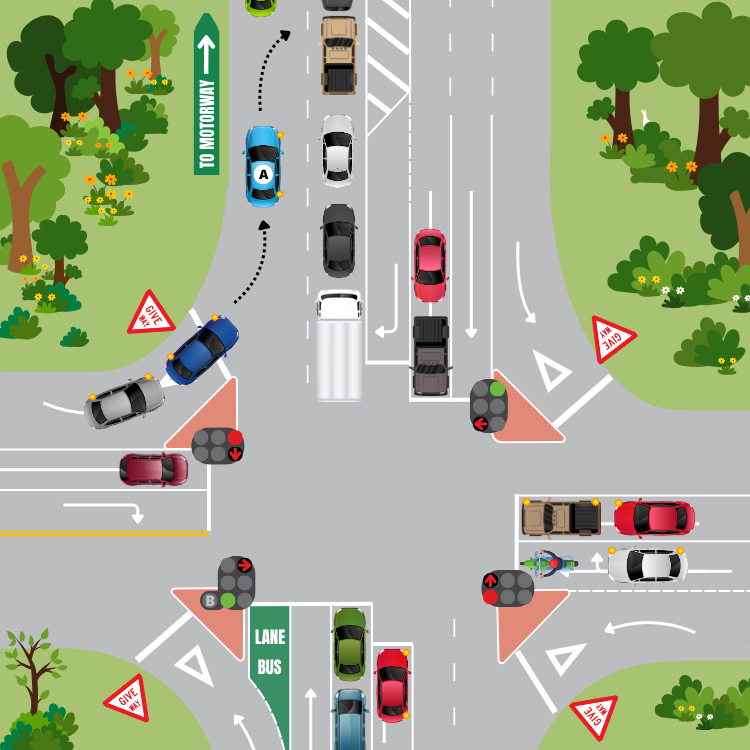
Sometimes, the simplest decision – using the empty lane in front of you – can keep traffic flowing and an entire street moving.
This story is from the Winter 2026 issue of AA Directions magazine.