Does driver knowledge of road rules, traffic control devices, and road environments deteriorate over the course of our driving lives?
Analyses the role different factors play in fatal and serious crashes in New Zealand, including extreme behaviour, roading quality, vehicles and speed.
Could Electric Vehicles put power back into the grid? This study assesses V2G’s potential in NZ, quantifying benefits and identifying actions needed to enable adoption at scale.
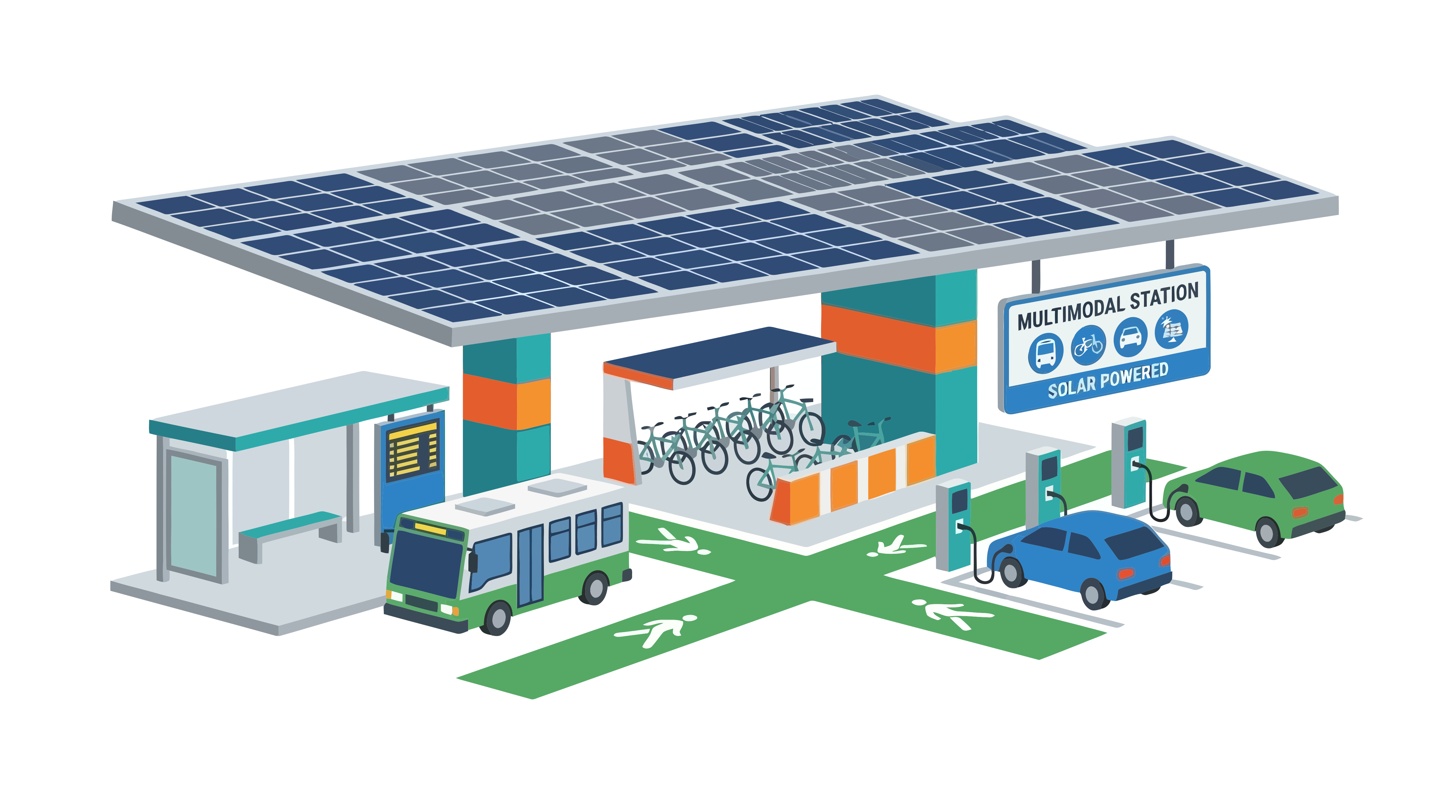
How possible is it for some NZ car trips to shift to more sustainable modes, and what conditions would be needed to enable that change?
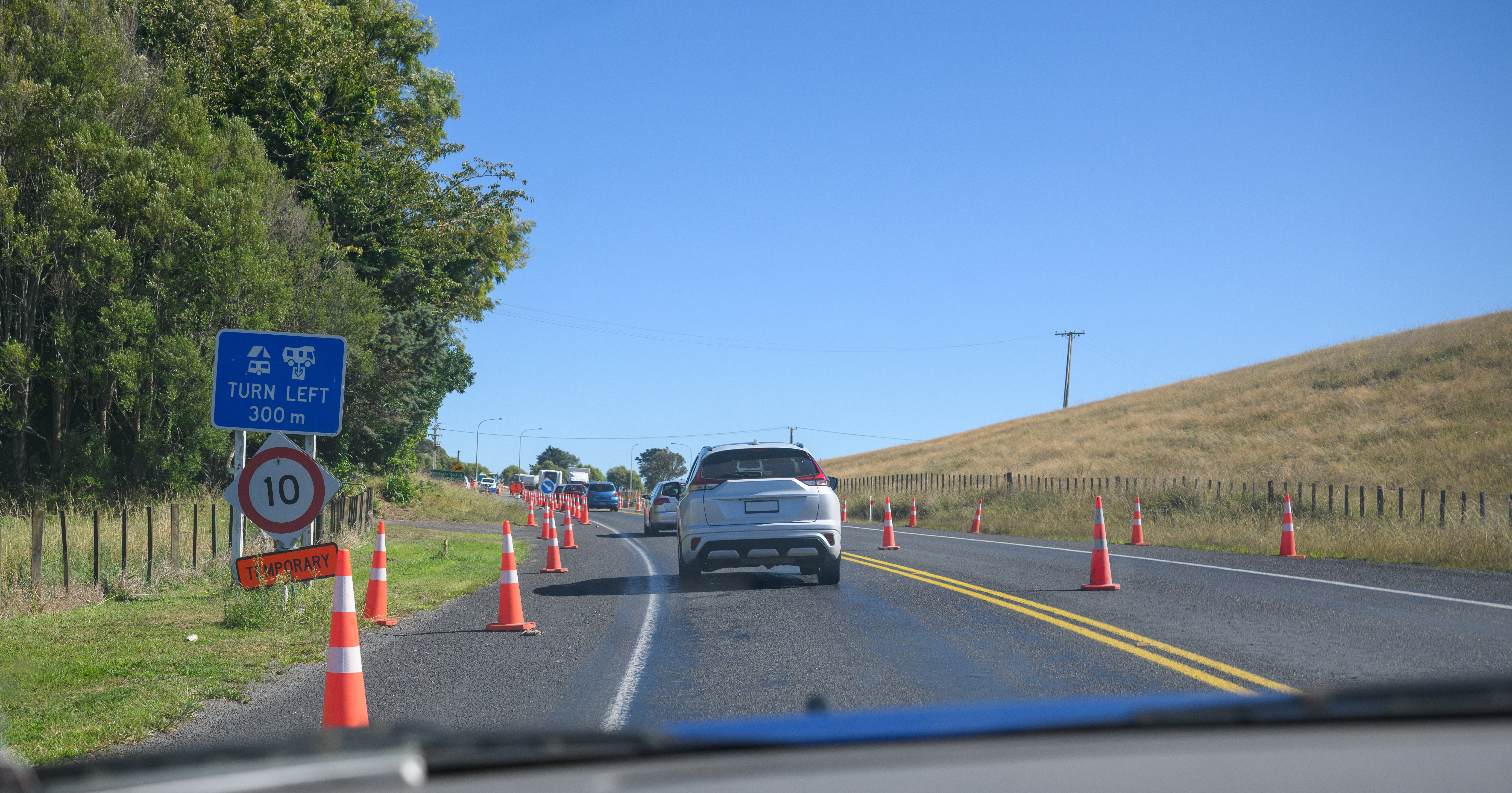
How could roadwork lane closures be done differently to reduce risk and disruption for drivers?
Have crash rates dropped on NZ’s most dangerous highways since 2006 and has the KiwiRAP programme had a safety impact?
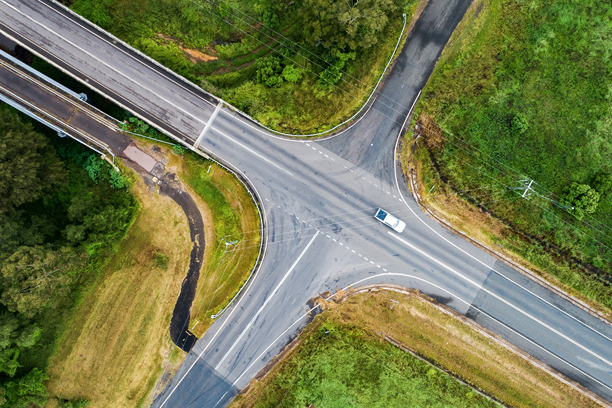
Can crash risks at rural crossroads be reduced with simple changes to signs and layout?
How does NZ’s driver licensing system compare with other countries and are there opportunities to improve novice driver safety?
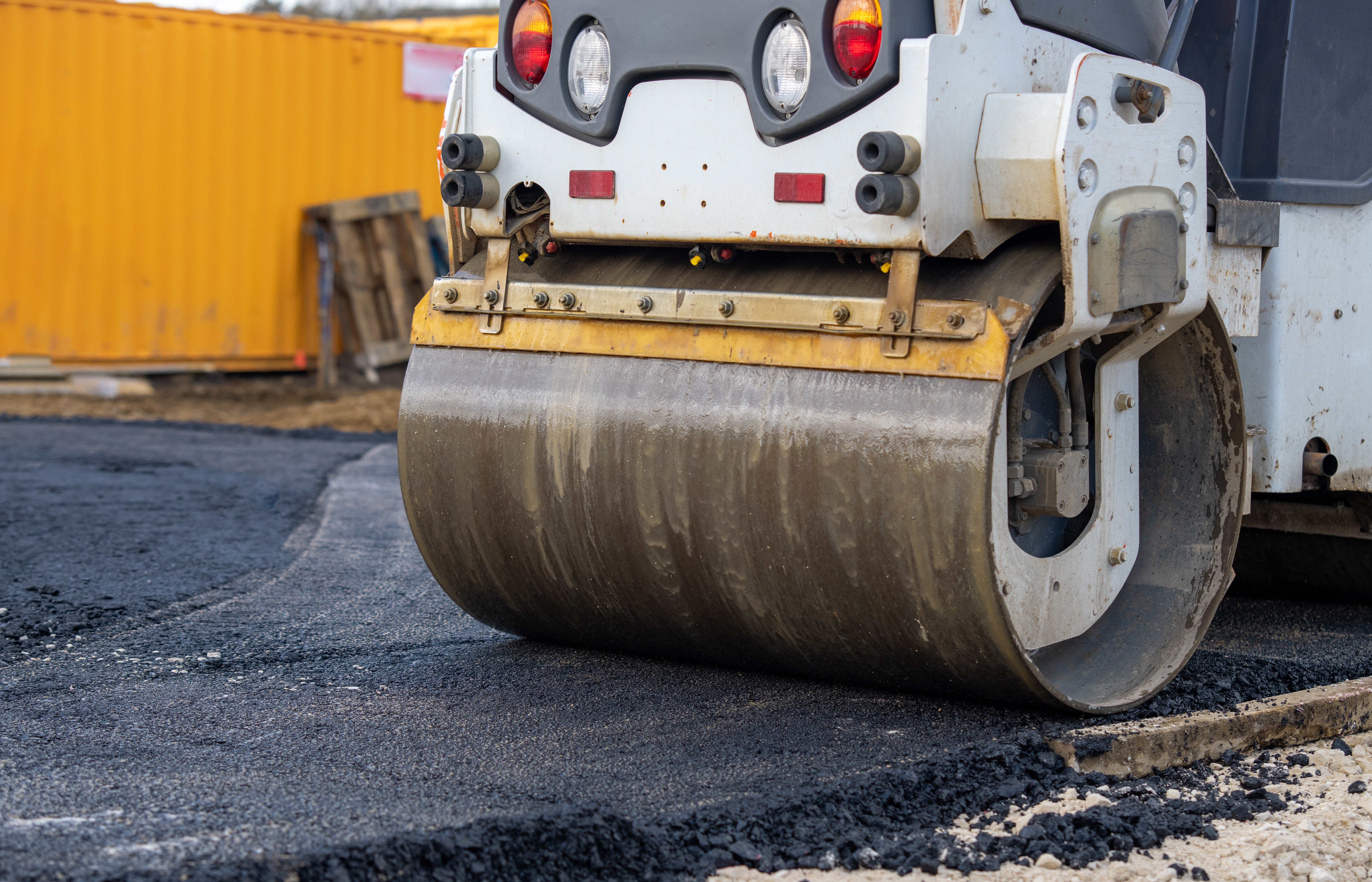
How much did crash numbers change following the construction of new highway sections in New Zealand?
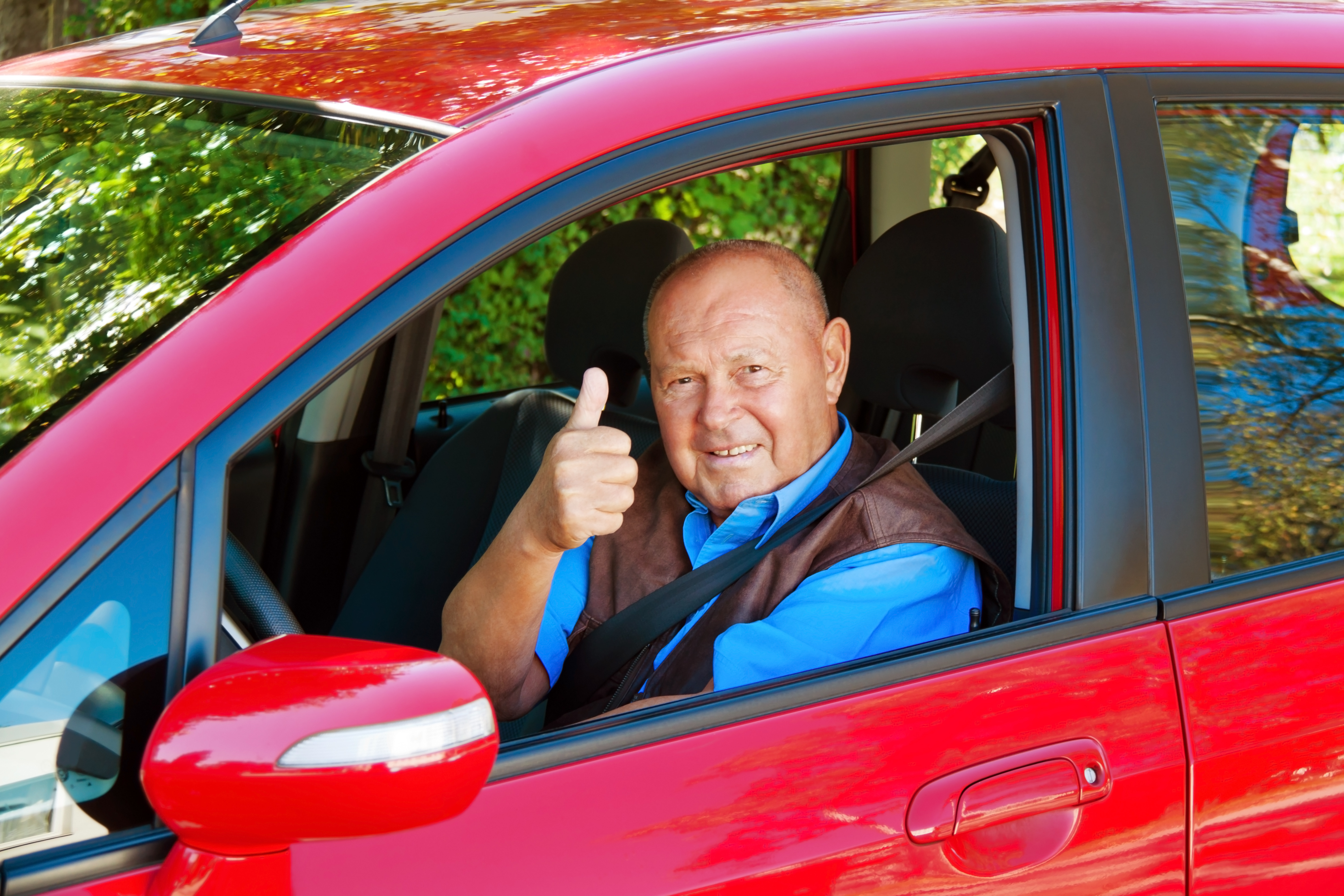
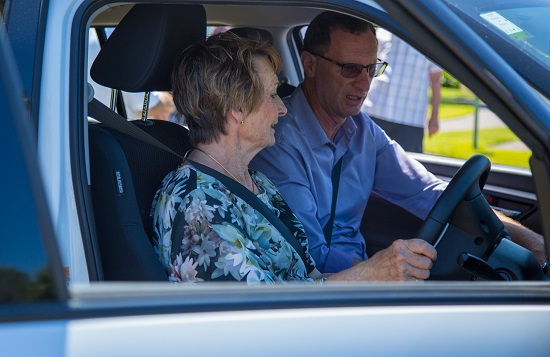
What are the real risks compared to perceptions around older drivers, and what would support safer, more confident travel?
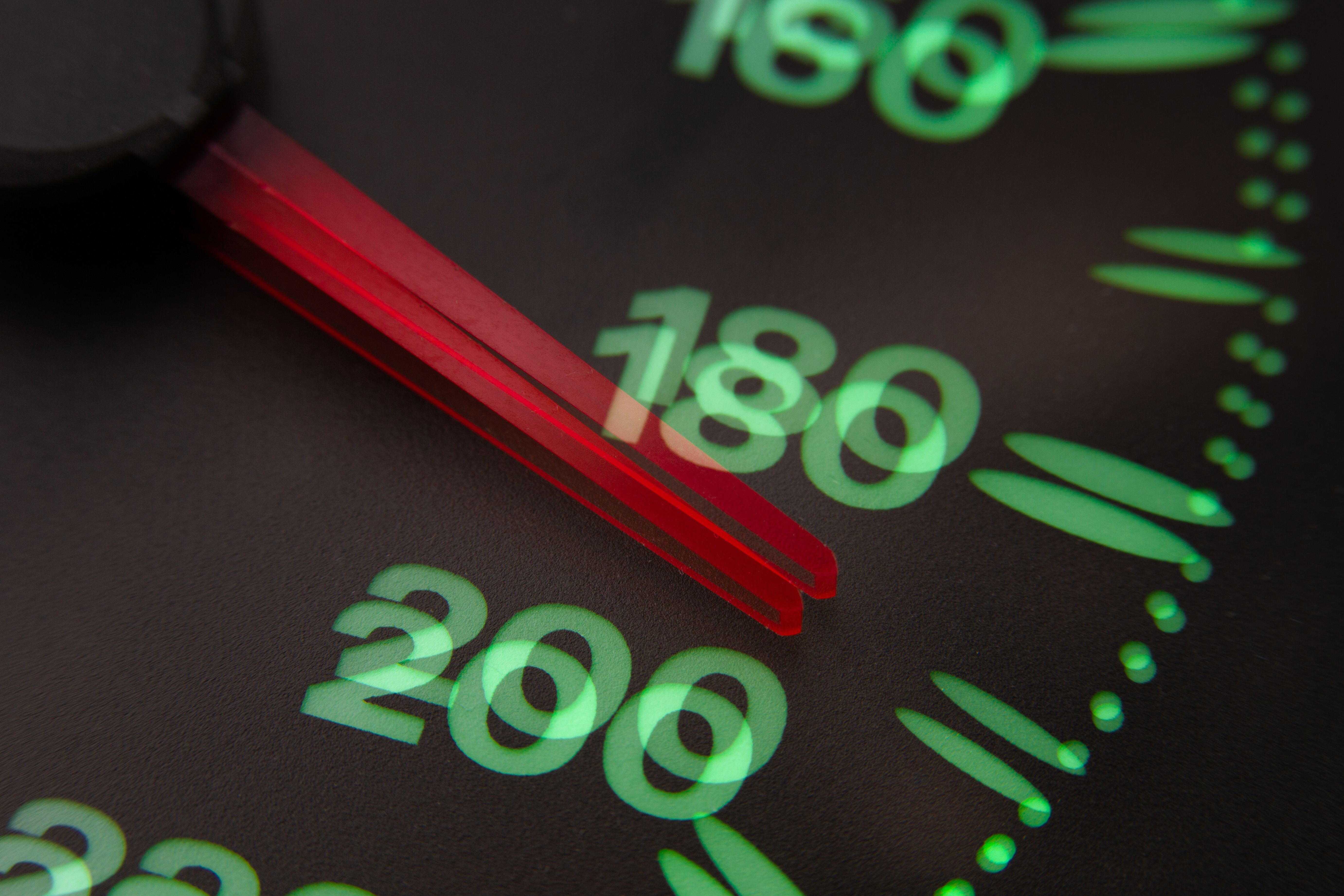
How did drivers respond to speed limit changes, including compliance, adaptation, and perceptions?
Are there common risk factors and system failures in work-related driving crashes, and what actions could improve safety?
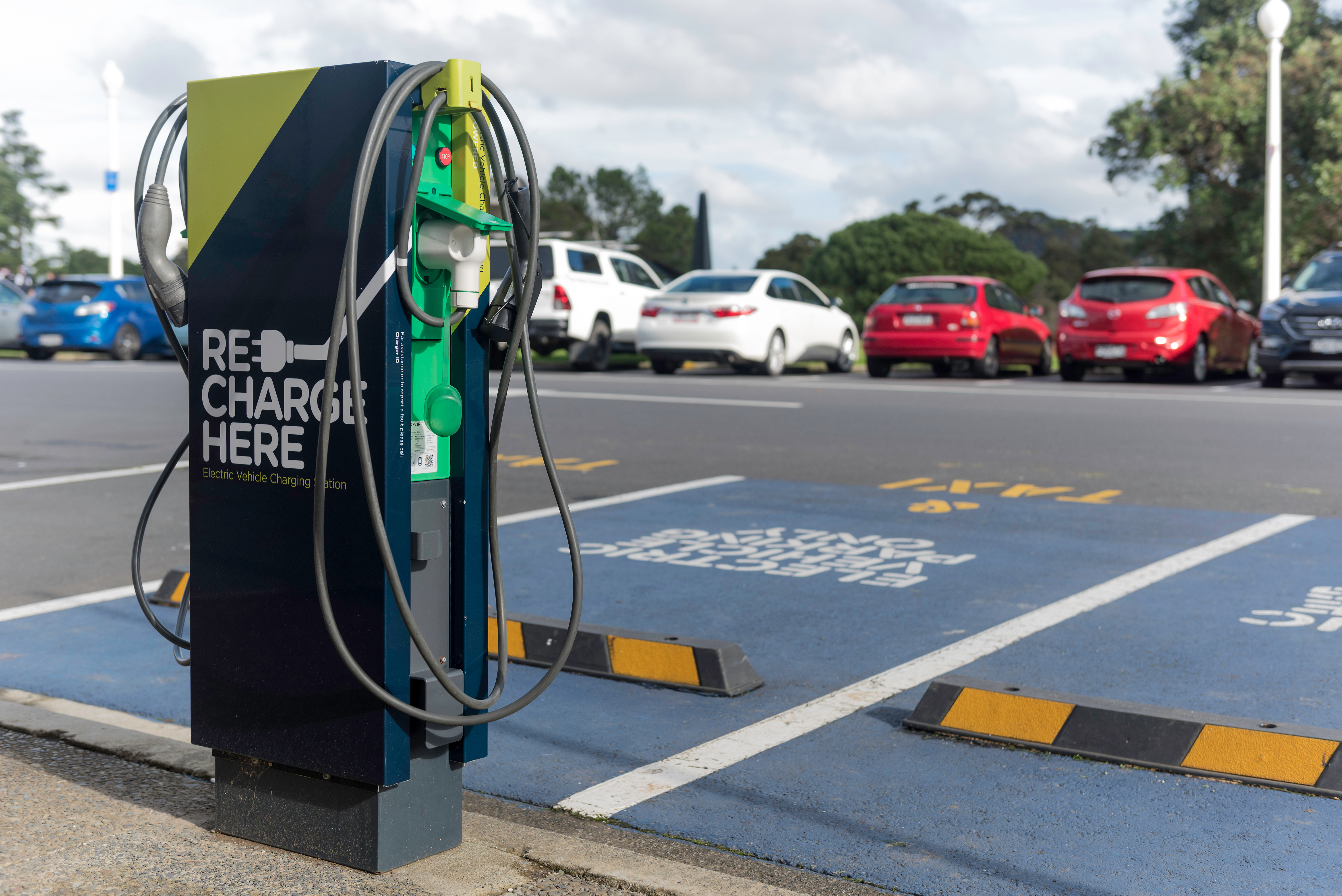
What are the barriers and opportunities for EV uptake in NZ, including policies, charging infrastructure, and impacts on the electricity system?
This series examines how inattention, distraction, and fatigue affect driving, supporting tools and strategies to reduce risk.
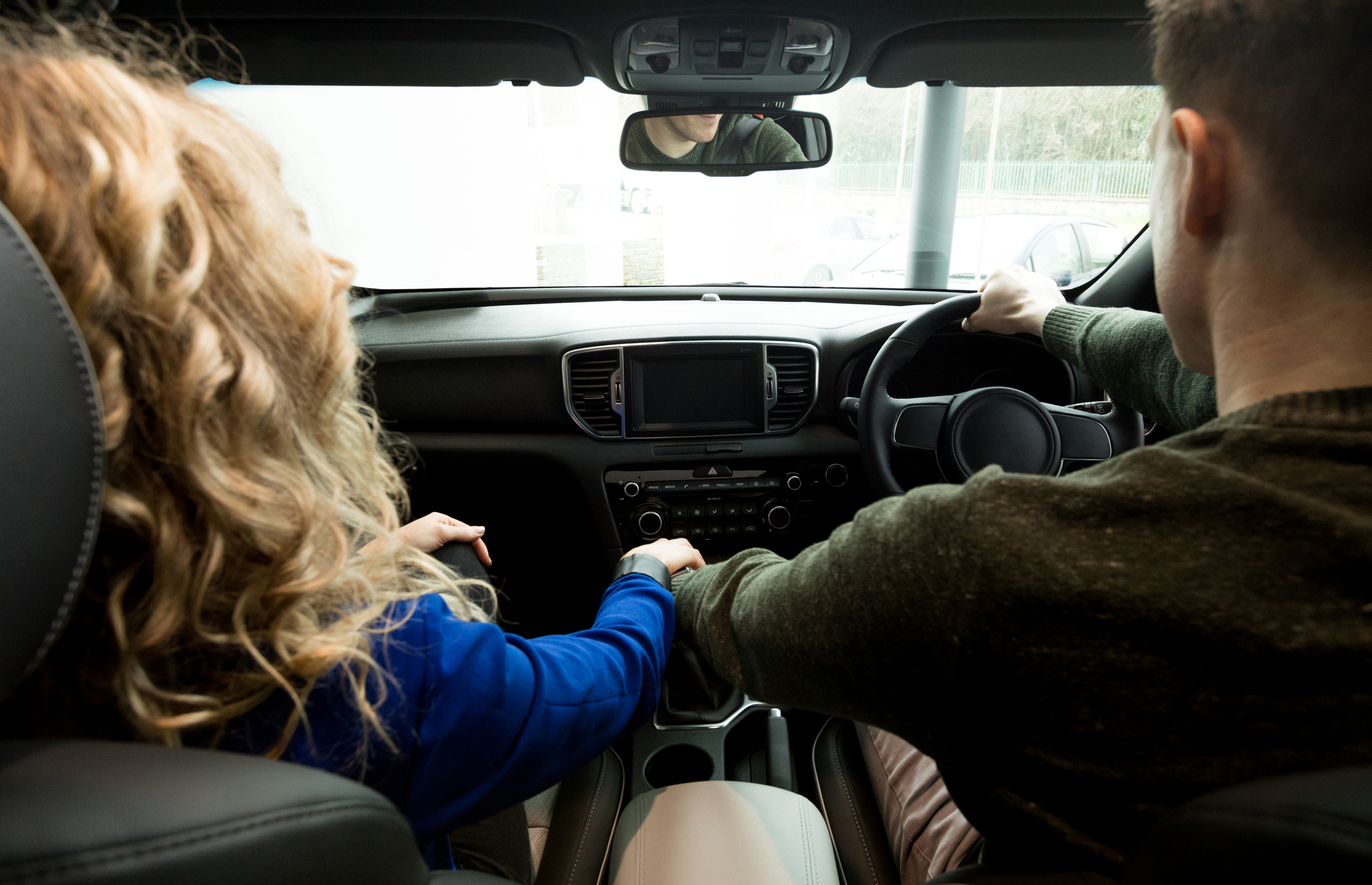
What ways can passengers influence driver behaviour and decision-making, and how can co-driving improve or reduce safety?
What are the impacts of reduced commuting, including effects on safety, emissions, productivity, and wellbeing?
How big is the gap between claimed and real-world fuel use in NZ vehicles, and what does this mean for consumer information and emissions policy?
How big a problem is seatbelt non-use in NZ crashes, and who are the at-risk groups and possible actions to change behaviour?
How well do drivers understand real and perceived risks and how could that be improved?
What are the links between youth traffic offending and justice outcomes, and could there be more effective penalties for young drivers?
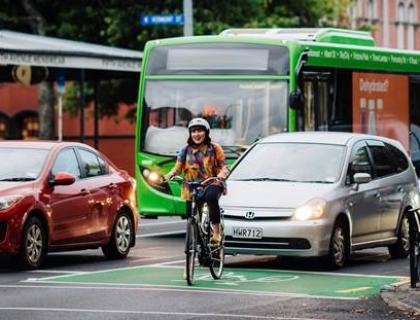
An investigation of cyclist–motorist interactions at intersections to better understand risk and inform safety improvements.
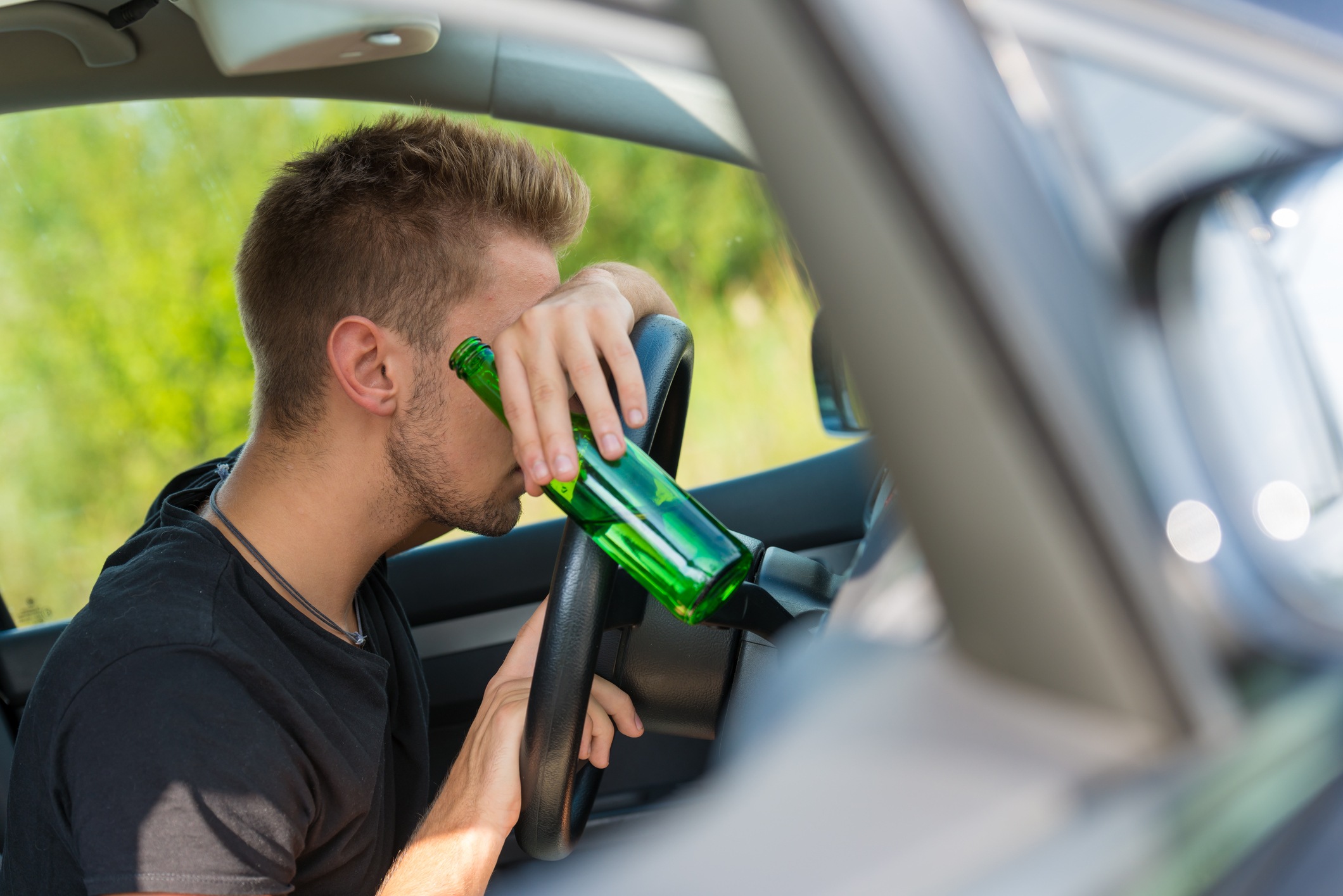
These three studies examine impaired driving in NZ, focusing on offences and alcohol interlocks to understand uptake, effectiveness, and policy gaps.
This study examines methods for improving driver fuel efficiency and safety.