
Who is 'Jinx' the Cat?
Please meet Jinx-the-cat, our pal Unlucky-the-dog’s long-time companion and partner in crime. There’s no doubt about it, ol’ Jinx here has used up all her nine lives of bad luck. She’s got herself into an array of unfortunate situations and felt every consequence – from neighbourhood cat fights, and nasty bites, right through to inflictions of every infection.
And let’s not forget Jinx’s daredevil dash across the road (she was chasing Unlucky) which unfortunately saw her colliding with the neighbour’s new car.
Like Unlucky-the-dog, Jinx-the-cat is made-up. And although we love her as if she were real, her main purpose is to highlight the vet costs you may be up for if your cat is faced with these common illnesses or accidents. That way you can get a better understanding of whether you'd benefit from having some cover in place^.
Common vet costs, featuring Jinx the cat
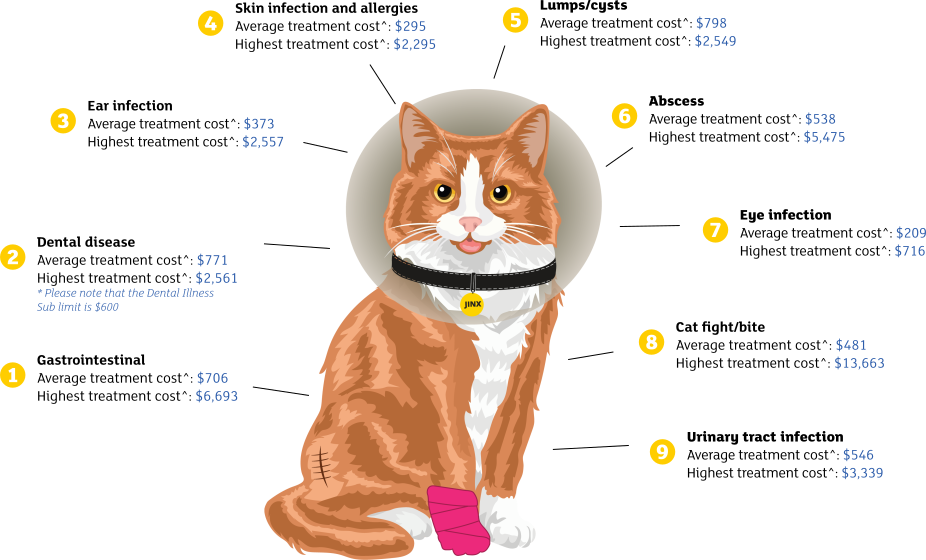
| Common illnesses/accidents | Average treatment cost^ | Highest treatment cost^ |
|---|---|---|
| Gastrointestinal | $706 | $6,693 |
| Dental disease | $771 | $2,561 |
| Ear infection | $373 | $2,557 |
| Skin infection and allergies | $295 | $2,295 |
| Lumps/cysts | $798 | $2,549 |
| Abscess | $538 | $5,475 |
| Eye infection | $209 | $716 |
| Cat fight/bite | $481 | $13,663 |
| Urinary tract infection | $546 | $3,339 |
1. Gastrointestinal Vomiting and diarrhoea are common and can cause discomfort, but they can also quickly lead to dehydration and serious health complications.
2. Dental disease Dental disease can progress through several stages, from mild gum inflammation and plaque buildup to swollen, bleeding gums and tooth loss. If left untreated, it can cause severe pain and infections that may spread to vital organs such as the heart and kidneys.
3. Ear infections Ear inflammation can occur due to allergies, foreign bodies, humidity, or parasites. If left untreated, ear infections can cause chronic pain, hearing loss, and deeper tissue damage.
4. Skin infections and allergies Skin infections may be bacterial, fungal, or viral, and allergies can occur when allergens attach to a pet’s coat, paws, or ears and enter through the skin or nose. If not managed promptly, persistent skin issues can cause discomfort and lead to secondary infections.
5. Lumps/cysts Not all lumps are bad news, but some can be serious, ranging from harmless cysts to malignant tumours. Diagnosis often involves tests, and removal may require surgery. Identifying and treating lumps early can help detect cancer and prevent disease progression.
6. Abscess Abscesses are defined as an accumulation of pus, which usually forms as a result of the cat getting a puncture wound during a real or mock fight.1 The average treatment cost is $538 but it can go up to $5,475^.
7. Eye infections Conjunctivitis is a common eye condition in pets and may result from allergies, injury, birth defects, tear duct issues, or foreign matter. Early intervention can prevent pain and protect vision, reducing the risk of long-term eye damage.
8. Cat fight/bite Unfortunately, it is common for cats to fight and bite. Average treatment costs for this sits at $481^ but the highest treatment cost can be $13,663^ - which could take a bit of a bite out of the wallet.
9. Urinary tract infection UTIs and bladder issues can make your pet uncomfortable and lead to frequent urination or pain. Causes include infections or bladder stones. If not treated promptly, UTIs can escalate to kidney infections and systemic illness.
^ Average treatment cost based on PetSure 2024-2025 Pet Insurance claims data in New Zealand, and highest treatment cost figures are based on PetSure 2024-2025 claims data in New Zealand, for total claimed amount per condition per policy period. Note that your own pet’s treatment costs may vary from these figures depending on factors such as the severity and individual circumstances. AA Pet Insurance covers up to 80% of eligible vet expenses, with an annual benefit limit between $5,000-$15,000 to assist with eligible treatment costs. Policy terms, exclusions (including pre-existing conditions), limits, sub-limits, and annual condition limits apply. Waiting periods and excesses may also apply. See individual policy documents.